
Off-Page SEO Moz: A Practical Guide to Building Authority and Earning Quality Links
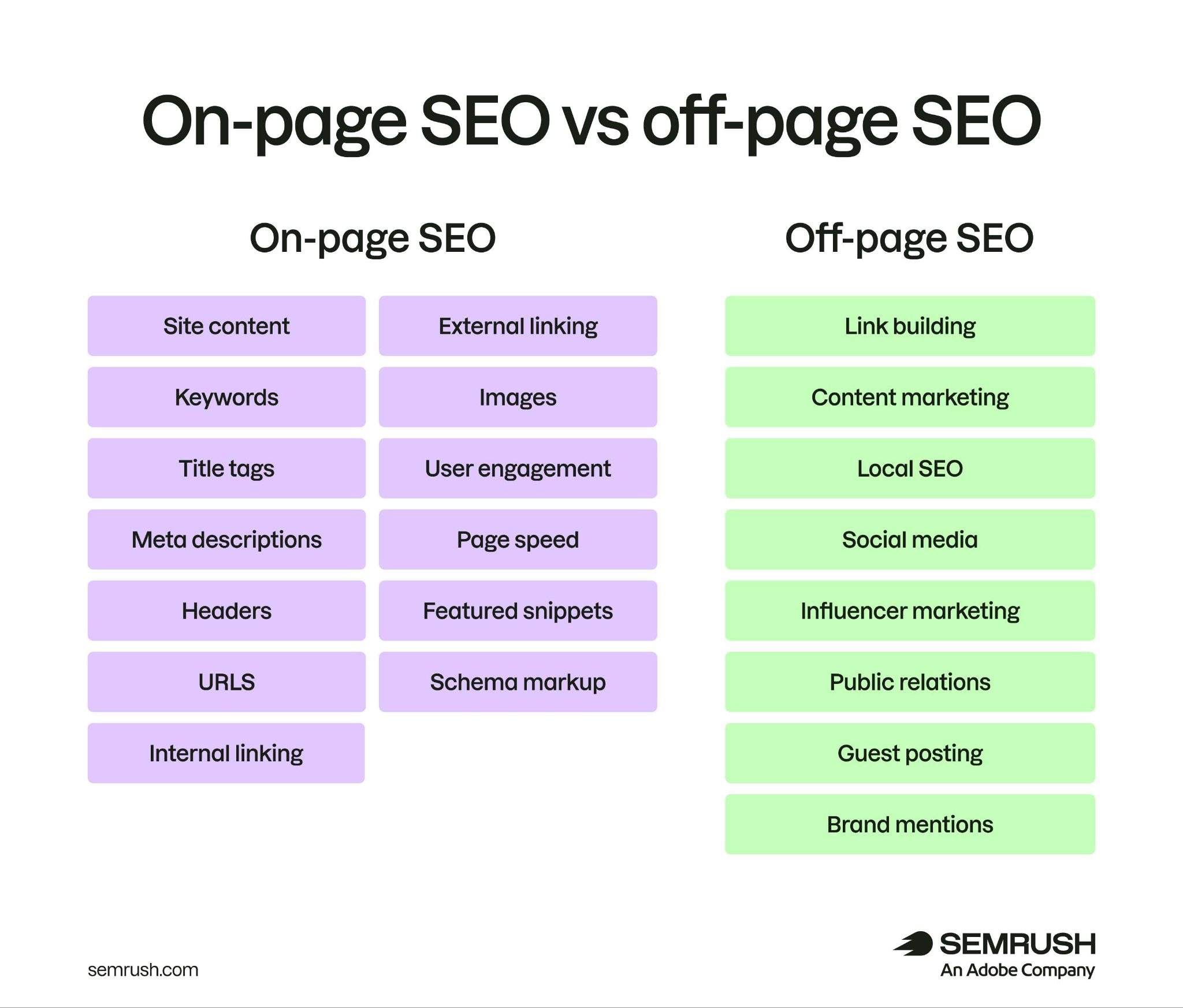
Off-Page SEO and Moz: A Practical Guide
Off-page SEO covers the activities that help build a website’s reputation and visibility beyond its own pages. Link building is an important part of it, but it is not the whole story. Brand mentions, digital PR, useful partnerships and a strong presence in relevant communities can also contribute to how people discover and trust a business.
Moz offers tools and educational resources that can help with off-page SEO research. Its Link Explorer, for example, can be used to review backlink profiles and investigate potential link opportunities. This guide explains how to use Moz as part of a considered off-page SEO strategy, while keeping in mind that no third-party metric can guarantee better rankings.
What is off-page SEO?
Off-page SEO refers to efforts made outside your website to strengthen its authority, reputation and reach. Search engines use many signals to understand which pages may be useful for a search. Links from other websites are one signal, because they can act as recommendations. However, the value of a link depends on its context, relevance and quality—not simply on the number of links pointing to a site.
Common off-page SEO activities include:
- Link earning: creating genuinely useful content that other websites choose to reference.
- Digital PR: sharing news, research or expert insight with journalists and relevant publications.
- Brand building: increasing awareness and encouraging people to search for or mention your business.
- Partnerships: working with relevant organisations, suppliers or professional groups.
- Local visibility: maintaining accurate business information and earning relevant local citations.
- Community participation: contributing helpful expertise in appropriate forums, events and industry communities.
How Moz can support off-page SEO
Moz provides SEO tools that can help you investigate links and compare websites. Product features and availability can change, so check Moz’s current documentation for the latest details. In general, Moz’s link analysis tools can help with tasks such as:
- Reviewing backlinks that point to your website.
- Finding websites that link to competitors but not to you.
- Checking the pages and anchor text associated with backlinks.
- Identifying potentially valuable websites for research and outreach.
- Monitoring changes in a backlink profile over time.
These insights are most useful when they inform a wider strategy. A tool can help you find and organise opportunities, but it cannot determine whether a link is genuinely appropriate without human judgement.
Understanding Domain Authority
One of Moz’s best-known metrics is Domain Authority (DA). It is a Moz-developed score intended to estimate how likely a website may be to rank in search results compared with other sites. It is not a Google metric, and Google does not use Moz’s DA score as a direct ranking factor.
DA is best treated as a comparative research measure, rather than a target to increase at any cost. A relevant link from a smaller, trusted publication may be more useful to your business than a link from a site with a higher DA but little connection to your audience. Scores can also differ between SEO platforms because each provider uses its own data and calculations.
How to use Moz for backlink research
Review your existing backlink profile
Start by examining the websites and pages that link to your site. Look for patterns: which content attracts links, which industries or publications refer visitors, and whether links appear editorially relevant. This can reveal what is already working and where your online reputation is strongest.
Analyse relevant competitors
Choose competitors that serve a similar audience and operate in the same market. Use Moz’s link research features to explore their backlink profiles. The aim is not to copy every link they have, but to understand how they earn attention. You may find useful formats, partnerships, publications or topics to explore in your own way.
Find link gaps
A link gap is an opportunity identified when relevant websites link to one or more competitors but not to your site. These websites may be worth researching, particularly if they publish resources in your field. Before contacting them, check that your business or content would genuinely add value for their readers.
Assess each opportunity carefully
Do not judge a website solely by its authority score. Consider whether it is relevant to your subject, whether its content appears trustworthy, and whether a link would make sense for its audience. Be cautious of sites that exist mainly to sell links or publish large volumes of unrelated content.
Create something worth referencing
Successful outreach starts with a useful reason for another website to link to you. This might be original research, a clear guide, a practical tool, an expert contribution or a genuinely helpful resource. Make sure the content is accurate, accessible and easy to cite.
Track progress beyond link counts
Record outreach, new referring websites and the content earning attention. Also monitor relevant outcomes, such as referral traffic, brand visibility, enquiries and organic performance. A higher backlink count or DA score does not necessarily mean your off-page SEO is delivering business value.
Building links without risking your reputation
Link building should focus on earning relevant editorial links, not manipulating search results. Avoid buying links intended to pass ranking credit, using automated link schemes, or placing excessive keyword-rich anchor text. These practices can create a poor user experience and may conflict with search engine spam policies.
When carrying out outreach, be transparent and specific. Explain why your resource is relevant, personalise your message and respect a publisher’s decision. Avoid sending bulk, generic emails or promising reciprocal links as a condition of collaboration.
Off-page SEO is more than backlinks
Backlinks are measurable, which can make them the main focus of many campaigns. Yet a strong off-page strategy also considers how people encounter and talk about a brand. Helpful customer service, expert contributions, local involvement and consistent public information can all support trust and recognition, even when they do not result in a followed link.
For local businesses, keep business details consistent across important directories and platforms, and encourage genuine customer reviews in line with each platform’s guidelines. Reviews can influence consumer decisions, although they should not be treated as a substitute for a sound website or a guarantee of search rankings.
A simple off-page SEO workflow using Moz
- Set a clear goal: decide whether you want to improve awareness, attract referral traffic, earn relevant links or support a particular service page.
- Research your position: use Moz and other reliable sources to review your backlinks and identify relevant competitors.
- Prioritise opportunities: assess relevance, editorial quality and audience fit rather than chasing a score.
- Develop valuable assets: create content or expertise that gives publishers and communities a real reason to mention you.
- Build relationships: conduct thoughtful outreach and contribute consistently to your industry.
- Measure meaningful results: review link quality, referral visits, brand engagement and business outcomes over time.
Common mistakes to avoid
- Assuming Domain Authority is a Google ranking factor.
- Prioritising the quantity of backlinks over relevance and quality.
- Copying a competitor’s backlink profile without evaluating each opportunity.
- Using purchased or automated links to manipulate rankings.
- Sending generic outreach that offers little value to the recipient.
- Expecting an immediate ranking change from a single campaign.
- Ignoring brand building, digital PR and other off-site signals.
Conclusion
Moz can be a useful part of an off-page SEO toolkit, particularly for exploring backlinks, comparing competitors and organising research. Its metrics should be treated as estimates, not definitive measures of quality or ranking potential. The strongest approach is to use tools to guide informed decisions, then focus on earning attention through relevant content, genuine relationships and a trustworthy brand.
Understanding Off-Page SEO: How Moz Can Enhance Your Strategy and Avoid Common Pitfalls
- What is off-page SEO, and how does Moz help with it?
- What is Moz Domain Authority, and does Google use it as a ranking factor?
- How can I use Moz Link Explorer to analyse my backlinks?
- How can Moz help me find backlink opportunities from competitors?
- How do I assess whether a backlink opportunity is relevant and trustworthy?
- Which off-page SEO practices should I avoid when using Moz for link building?
What is off-page SEO, and how does Moz help with it?
Off-page SEO refers to activities outside your website that help build its reputation, visibility and authority, such as earning relevant backlinks, digital PR and brand mentions. Moz can support this work with tools such as Link Explorer, which helps you review your backlink profile, research competitors and identify potential link opportunities. Its Domain Authority score can be useful for comparing websites, but it is a Moz metric—not a Google ranking factor—so focus on the relevance and quality of links rather than the score alone.
What is Moz Domain Authority, and does Google use it as a ranking factor?
Moz Domain Authority (DA) is a third-party score that estimates how likely a website is to rank in search results compared with other sites. It is calculated by Moz using its own data and is useful for comparing websites, but it is not a Google metric. Google does not use Moz DA as a direct ranking factor, so treat it as a research guide rather than a score to chase; focus instead on earning relevant, high-quality links and creating helpful content for your audience.
How can I use Moz Link Explorer to analyse my backlinks?
Use Moz Link Explorer to enter your website URL and review the backlinks pointing to it. Examine the linking domains and pages, anchor text, and Moz metrics such as Domain Authority and Page Authority to understand the profile and spot patterns. You can also compare your site with relevant competitors to find potential link opportunities. Treat these metrics as comparative estimates rather than Google ranking factors, and assess each link for relevance and quality before deciding what action to take.
How can Moz help me find backlink opportunities from competitors?
Moz can help you research competitors’ backlink profiles using tools such as Link Explorer. Enter a competitor’s website to see which sites link to it, then look for relevant publications or pages that might also value your content. You can compare several competitors to spot link opportunities they share, as well as gaps where your site is not yet mentioned. Treat Moz’s metrics as useful indicators rather than guarantees, and assess each prospect for relevance, quality and genuine audience fit before reaching out.
How do I assess whether a backlink opportunity is relevant and trustworthy?
To assess whether a backlink opportunity is relevant and trustworthy, look beyond Moz metrics such as Domain Authority, which is a comparative estimate rather than a Google ranking factor. Check whether the website covers topics related to your business, has a genuine audience and publishes useful, credible content. Review the page where your link would appear and consider whether it would help readers in context. Be cautious of sites with thin or unrelated articles, excessive adverts, obvious paid-link schemes or large numbers of unnatural outbound links. A relevant editorial link from a reputable site is generally more valuable than a link chosen solely for a high score.
Which off-page SEO practices should I avoid when using Moz for link building?
When using Moz for link building, avoid treating Domain Authority as a guarantee of link quality or chasing high scores at the expense of relevance. Steer clear of buying links intended to manipulate rankings, automated link schemes, excessive keyword-rich anchor text and mass, generic outreach. Don’t copy competitors’ backlinks without checking whether the sites are trustworthy and relevant to your audience. Use Moz’s data as a starting point for research, then assess each opportunity carefully and focus on earning genuine editorial links that provide value to readers.