
Best SEO Agency Websites: Top Examples and What Makes Them Stand Out
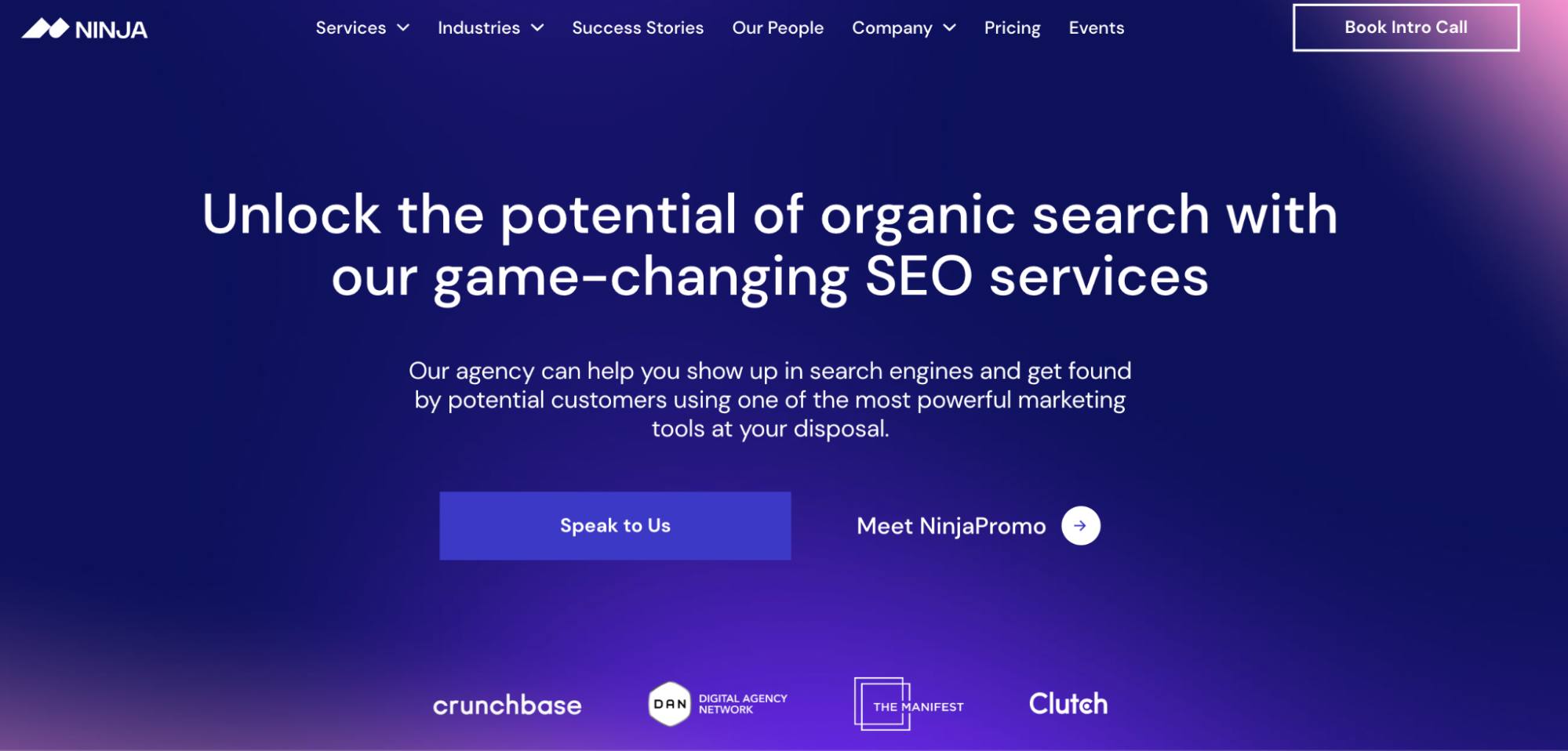
Best SEO Agency Websites: What Makes Them Stand Out?
A great SEO agency website does more than look polished. It explains what the agency does, shows why a potential client should trust it and makes it easy to take the next step. For businesses comparing providers, the best SEO agency websites offer useful examples of how to present expertise clearly and turn visits into enquiries.
There is no single definitive list of the “best” websites. Design and services change over time, and the right agency depends on a business’s goals, budget and market. However, established agencies such as Aira, Impression, Re:signal and Search Laboratory provide useful examples to explore when researching the industry.
What the best SEO agency websites have in common
Clear positioning
Visitors should be able to understand what an agency offers without having to hunt for the information. Strong websites explain their specialisms, the types of clients they serve and the problems they help solve. A focused message is often more persuasive than a long list of services with no clear distinction.
Evidence of expertise
SEO can be a significant investment, so prospective clients want reasons to believe an agency can deliver. Case studies, client testimonials, recognisable partnerships and details about the team can all help build credibility. The most useful case studies explain the challenge, the work carried out and the outcome, rather than relying on vague claims.
Useful, well-organised services
Good agency websites make it easy to understand the difference between services such as technical SEO, digital PR, content strategy and international SEO. Dedicated service pages can explain what each area involves, who it is for and how it fits into a wider marketing plan.
A simple route to get in touch
Whether the next step is booking a consultation, requesting an audit or filling in an enquiry form, the call to action should be easy to find. A clear process and a short, relevant form make it easier for potential clients to start a conversation.
Helpful content
Guides, research, webinars and practical articles can demonstrate knowledge while helping visitors understand SEO. The strongest content is written for people first: it answers real questions, explains unfamiliar terms and offers advice that readers can use.
SEO agency websites worth exploring
- Aira: A UK digital marketing agency whose website is a useful reference for businesses looking at how SEO sits alongside other digital services.
- Impression: Its website offers an example of presenting a broad range of digital marketing capabilities alongside agency information and insights.
- Re:signal: A specialist agency to explore if you are interested in how a website can communicate a clear focus on SEO and digital growth.
- Search Laboratory: A further example for businesses researching SEO services, including work for organisations operating across different markets.
These examples are starting points for research, not a definitive ranking or endorsement. Review each agency’s current services, client work and approach to decide whether it suits your needs.
What businesses can learn from the best examples
Businesses building or improving their own websites can borrow several useful ideas from successful agency sites:
- Lead with a specific, understandable value proposition.
- Use relevant case studies to support claims with context and evidence.
- Organise pages around the questions prospective clients are likely to ask.
- Make contact details and next steps easy to find on desktop and mobile.
- Publish genuinely useful content and keep it accurate and up to date.
- Use a clean, accessible design that loads quickly and works well on different devices.
How to choose an SEO agency
A strong website is a helpful first impression, but it should not be the only factor in your decision. Ask how the agency measures success, who will work on your account, what its reporting includes and how it approaches changes in search. Look for clear answers, realistic expectations and relevant experience in your sector.
The best SEO agency website is ultimately one that communicates trust, demonstrates expertise and helps the right clients take an informed next step. Use examples for inspiration, then assess agencies on the quality of their work and how well their approach matches your business goals.
9 Tips for Creating the Best SEO Agency Websites
- Show clear SEO expertise with useful case studies.
- Explain services in plain, jargon-free language.
- Highlight measurable results and client testimonials.
- Make contact details easy to find.
- Use fast-loading, mobile-friendly design.
- Write helpful content for your target audience.
- Use clear page titles and meta descriptions.
- Include strong calls to action on key pages.
- Keep navigation simple and accessible.
Show clear SEO expertise with useful case studies.
The best SEO agency websites demonstrate their expertise with useful, detailed case studies. Rather than relying on broad claims, they explain the client’s challenge, the strategy and work involved, and the results achieved. Clear examples—supported by relevant metrics and context—help potential clients understand how the agency approaches SEO and whether its experience is a good fit for their own goals.
Explain services in plain, jargon-free language.
The best SEO agency websites explain their services in clear, everyday language. Rather than relying on technical terms, they describe what each service involves, how it can help a business and what clients can expect from the process. For example, instead of simply listing “technical SEO”, an agency might explain how it identifies and fixes website issues that make it harder for search engines to understand or display pages. This makes the information more accessible and helps potential clients decide whether the service suits their needs.
Highlight measurable results and client testimonials.
Highlight measurable results and client testimonials to show prospective clients what your agency can achieve. Use specific, verifiable outcomes—such as growth in organic traffic, qualified leads or search visibility—and explain the timeframe and work involved. Pair these case studies with genuine client feedback to add a personal perspective and build trust. Avoid vague promises; clear evidence helps visitors judge whether your approach could suit their business.
Make contact details easy to find.
Make contact details easy to find so potential clients can get in touch without searching through several pages. Display a clear “Contact us” link in the main navigation, include key details such as an email address or phone number where appropriate, and make sure enquiry forms are straightforward to use on mobile and desktop. A visible, simple route to start a conversation can reduce friction and help turn interested visitors into enquiries.
Use fast-loading, mobile-friendly design.
Fast-loading, mobile-friendly design is essential for a strong SEO agency website. Visitors should be able to browse services, read case studies and get in touch easily, whether they’re using a phone, tablet or computer. A responsive layout and optimised images help pages load quickly and display correctly on different screen sizes, creating a smoother experience for users and making it easier for search engines to understand and index the site.
Write helpful content for your target audience.
Write helpful content that speaks directly to your target audience and answers the questions they’re likely to have. For an SEO agency website, this might include clear service explanations, practical guides, industry insights and case studies that show how your work solves real problems. Focus on giving readers accurate, useful information rather than simply filling pages with keywords. This builds trust, demonstrates expertise and helps potential clients decide whether your agency is right for them.
Use clear page titles and meta descriptions.
Use clear, descriptive page titles and meta descriptions to help visitors and search engines understand what each page is about. A strong title should be concise, include the page’s main topic and accurately reflect its content, while the meta description should summarise the value on offer and encourage relevant users to click. Avoid duplicating these details across pages or making promises the content does not support. Although meta descriptions do not directly determine rankings, they can help your agency’s pages stand out in search results and attract more qualified visitors.
Include strong calls to action on key pages.
Include clear, compelling calls to action on key pages so visitors know what to do next. Whether you want them to book a consultation, request an SEO audit or get in touch about a project, make the action easy to find and describe what happens after they click. Use concise, specific wording and place calls to action where they naturally follow useful information, such as after a service overview or case study.
Keep navigation simple and accessible.
Keep navigation simple and accessible so visitors can quickly find the information they need. Use clear, familiar menu labels, organise services into logical sections and avoid overcrowding the header with too many links. Ensure the menu works well on mobile and can be navigated using a keyboard or assistive technology. Straightforward navigation makes an agency website easier for everyone to use and helps potential clients reach key pages, such as case studies, service details and contact information, without frustration.