
Off Page SEO Includes: Key Strategies for Better Rankings
What Does Off-Page SEO Include?
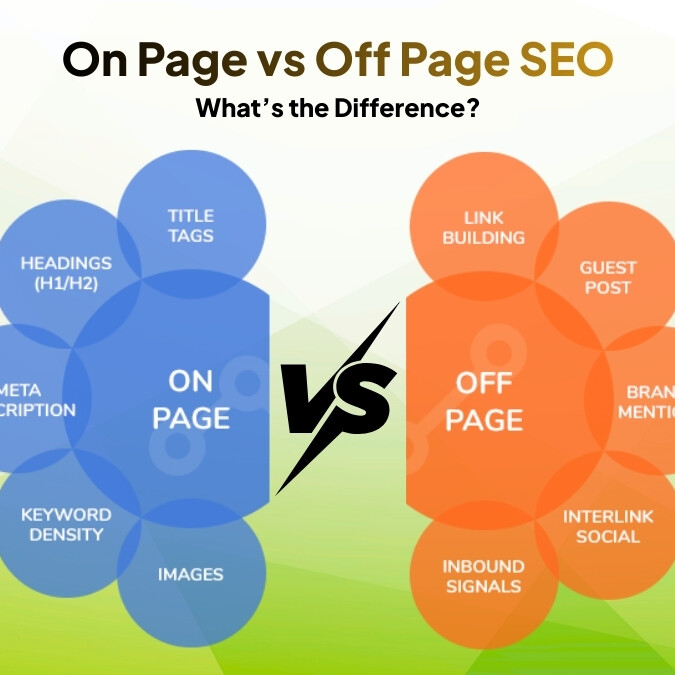
Off-page SEO includes the activities carried out away from your website to improve its reputation, authority and visibility in search results. While on-page SEO focuses on the content and structure of your site, off-page SEO helps search engines and potential customers understand how others perceive and refer to your business.
Links from other websites are an important part of off-page SEO, but they are not the whole picture. A strong strategy can also involve digital public relations, local listings, online reviews and building a recognisable brand.
Link building
Link building is the process of earning links from other websites to your own. Search engines can use these links to discover pages and assess how they relate to other content on the web. Links from relevant, reputable websites are generally more valuable than links from unrelated or low-quality sites.
Ethical link-building methods include:
- Creating useful research, guides or tools that others may want to reference
- Offering expert commentary or contributing to relevant publications
- Building relationships with publishers, organisations and industry websites
- Finding and suggesting replacements for relevant broken links
Avoid buying links or using schemes designed to manipulate search rankings. These practices can put a website at risk of search-engine penalties.
Digital public relations
Digital PR involves earning coverage and mentions for your business online. This might include sharing original research, commenting on industry news, publishing useful data or offering a knowledgeable spokesperson to journalists.
Coverage can introduce your brand to new audiences and may lead to links from trusted publications. The main aim should be to offer something genuinely useful or newsworthy, rather than seeking links at any cost.
Brand mentions and reputation
Your business may be mentioned online even when a website does not link to it. Brand mentions can help people discover and recognise your organisation. They can also provide opportunities to engage with customers, correct inaccurate information or build relationships with publishers and communities.
Monitor mentions of your business and respond appropriately, especially when a comment raises a customer-service issue or contains incorrect details.
Local SEO signals
For businesses serving a particular area, off-page SEO includes maintaining accurate business information across relevant directories and platforms. This may include your business name, address, phone number, opening hours and website address.
Consistent listings help potential customers find and contact you. Keep information up to date, remove duplicate listings where possible, and focus on directories that are relevant to your location or industry.
Online reviews
Reviews on platforms such as Google and industry-specific websites can influence how customers view your business. They may also contribute to local visibility. Encourage genuine feedback by making it easy for customers to leave a review, but do not buy reviews or pressure people to provide positive ones.
Responding politely to both positive and negative feedback shows that you take customer experience seriously. Never disclose private customer information in a public reply.
Social media and community engagement
Sharing content on social media can help it reach more people, attract visitors and encourage others to reference it. Social media links are not typically treated in the same way as standard editorial links, so social activity should not be viewed as a direct substitute for earning links from relevant websites.
Participating helpfully in online communities can also build awareness and trust. Contribute useful answers, follow community rules and avoid posting repetitive promotional messages.
Influencer and partner relationships
Working with relevant creators, industry experts, suppliers or professional organisations can introduce your brand to an established audience. Partnerships may result in referrals, mentions or editorial coverage when there is a genuine reason to feature your business.
Make sure sponsored content and paid endorsements are clearly disclosed, in line with applicable advertising rules. Any links created through a paid arrangement should also be handled in accordance with search-engine guidance.
What off-page SEO does not include
Off-page SEO is not simply collecting as many backlinks as possible. It is also not the practice of posting links indiscriminately, buying positive reviews or creating fake social profiles. These tactics can damage trust and may create search-engine risks.
How to approach off-page SEO
- Make sure your website offers useful, accurate content worth recommending.
- Identify publications, organisations and communities that are relevant to your audience.
- Build relationships and look for genuine opportunities to contribute.
- Keep business listings accurate and respond professionally to reviews.
- Review your backlink profile for suspicious patterns and address concerns where appropriate.
- Measure progress using a range of indicators, such as relevant referral traffic, brand visibility, quality mentions and leads.
Conclusion
Off-page SEO includes link building, digital PR, brand mentions, local listings, reviews, social media activity and relationship-building. The most sustainable approach is to earn attention by providing real value, maintaining a trustworthy reputation and connecting with relevant audiences. These efforts can support your website’s visibility while helping more people discover and trust your business.
Understanding Off-Page SEO: Sites, Optimisation, Examples, On-Page Comparison, and Listings
- Can you provide a list of off-page SEO sites?
- What is off-page optimization in SEO?
- Which of the following is an example of off-page SEO?
- What does on-page SEO include?
- What is listing in off-page SEO?
Can you provide a list of off-page SEO sites?
Yes. Useful off-page SEO platforms include Google Business Profile and Bing Places for local listings; reputable directories such as Yell and Thomson Local; social networks such as LinkedIn and Facebook; and relevant communities such as Reddit and Quora. You can also seek coverage from trusted industry publications and local news websites. Choose platforms that suit your business and audience, keep your details accurate, and focus on genuine participation rather than posting links everywhere.
What is off-page optimization in SEO?
Off-page optimisation in SEO refers to activities carried out away from your website to strengthen its reputation, authority and visibility in search results. It includes earning relevant links from trusted websites, gaining brand mentions and media coverage, managing online reviews and business listings, and engaging with audiences on social media. Unlike on-page SEO, these activities happen beyond your own site and help build trust with both potential customers and search engines.
Which of the following is an example of off-page SEO?
An example of off-page SEO is earning a backlink from a reputable, relevant website that links to your content. Because this activity takes place away from your own site, it can help build your website’s authority and reputation. Other examples include gaining genuine online reviews, being mentioned in digital publications and keeping your business listings accurate.
What does on-page SEO include?
On-page SEO includes the improvements made directly to your website to help search engines understand its content and provide a better experience for visitors. This can involve creating useful, relevant content; optimising title tags, meta descriptions and headings; using clear URLs and internal links; adding descriptive image alt text; and improving page speed, mobile usability and overall site structure.
What is listing in off-page SEO?
In off-page SEO, a listing is a business profile or entry published on an online directory, review platform or local business website. It typically includes details such as your business name, address, phone number, website and opening hours. Accurate, consistent listings can help customers find your business and support local visibility, so keep them up to date and choose reputable, relevant platforms.