
Off Page SEO Strategy 2019: A Practical Guide to Building Authority and Earning Quality Links
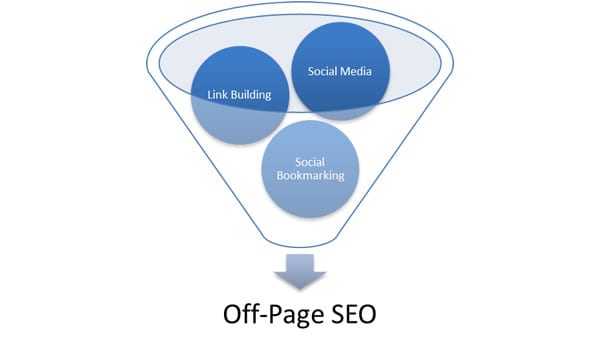
Off-Page SEO Strategy 2019: A Practical Guide
Off-page SEO is the work you do beyond your own website to build its reputation, authority and visibility in search results. In 2019, it was about much more than collecting backlinks. A strong strategy combined useful content, genuine relationships, brand mentions and a good reputation across the web.
Search engines use links and other signals to understand how trustworthy and relevant a website may be. These signals do not guarantee higher rankings, but thoughtful off-page SEO can help people discover your business and give search engines a clearer picture of its credibility.
Earn relevant, quality backlinks
Backlinks remain an important part of off-page SEO, but quality matters more than quantity. A link from a respected website in your field is generally more valuable than many links from unrelated or low-quality sites.
Focus on creating content that gives other publishers a genuine reason to link to you. This might include original research, helpful guides, expert commentary, useful tools or clear explanations of complex topics. Before pursuing a link, consider whether the audience and subject are relevant to your business.
Use guest contributions thoughtfully
Writing for another publication can introduce your expertise to a new audience and help build professional relationships. Choose publications that serve readers relevant to your business, and contribute original, useful material rather than thin articles written mainly to gain a backlink.
Follow each publisher’s editorial guidelines. Links should be included only when they add value to the reader, and paid or sponsored placements should be labelled appropriately.
Build relationships with publishers and industry experts
Good outreach starts with relevance and respect. Identify journalists, bloggers, trade organisations and other publishers who cover your area. Read their work before contacting them, then offer something genuinely useful: a well-supported comment, an original finding, a practical resource or access to a knowledgeable spokesperson.
A personalised message is more effective than a mass email. Make the purpose clear, keep the message concise and avoid pressuring people to link to your site.
Promote useful content
Publishing excellent content is only the first step. Share it through suitable social channels, newsletters, professional communities and relevant partnerships. Promotion can help the right people discover your work, discuss it and potentially reference it on their own websites.
Social media links are not usually equivalent to editorial backlinks, but social platforms can support visibility, engagement and brand recognition. Choose channels based on where your audience actually spends time.
Manage your local presence
For businesses serving a particular area, local SEO is an important part of off-page strategy. Keep your business name, address and telephone number consistent across reputable directories. Claim and maintain relevant business profiles, provide accurate opening hours and respond professionally to customer reviews.
Encourage genuine customers to leave honest feedback, but do not buy reviews or offer incentives in ways that breach platform rules. Thoughtful responses to both positive and negative reviews can demonstrate that the business listens to its customers.
Monitor brand mentions and reputation
Your business may be mentioned online without a link. Monitoring brand mentions can help you understand how people talk about your organisation and identify opportunities to join relevant conversations. If a publisher has mentioned your work but omitted a link, a polite request for one may be appropriate when it would help readers find the source.
Reputation management also includes responding to feedback, correcting inaccurate information where possible and maintaining consistent, trustworthy information about your business.
Avoid manipulative link-building tactics
Some shortcuts can put a website at risk. Avoid buying links intended to manipulate rankings, participating in link schemes, using automated link-building software or creating large numbers of low-quality guest posts. Private blog networks and irrelevant directory submissions can also create problems rather than lasting value.
When assessing a potential link, ask whether it makes sense for a real visitor. If the only reason for the link is to influence search rankings, reconsider the approach.
Measure progress over time
Off-page SEO is a long-term activity. Track a range of indicators rather than judging success by backlink totals alone. Useful measures may include:
- New links from relevant, trustworthy websites
- Referral visits and engagement from those links
- Growth in branded searches and website mentions
- Local visibility and customer reviews
- Changes in organic traffic and rankings for relevant topics
Use reputable analytics and SEO tools to review these trends, and investigate unusual changes. Rankings can move for many reasons, so evaluate results over a suitable period and alongside other business outcomes.
Conclusion
An effective off-page SEO strategy in 2019 was built on trust, relevance and genuine value. By earning worthwhile links, contributing useful expertise, promoting strong content and maintaining a credible online presence, businesses could strengthen their reputation without relying on risky shortcuts. The most sustainable approach was—and remains—to make your website and expertise worth recommending.
Top 7 Off-Page SEO Strategies for 2019: Building Authority and Engagement
- Earn links from relevant, authoritative websites through useful content.
- Build relationships with journalists and offer genuinely newsworthy stories.
- Use guest posts selectively, prioritising audience value over link volume.
- Keep business listings accurate and consistent across trusted directories.
- Encourage real customer reviews and respond professionally to feedback.
- Promote content on social channels to increase its reach and discovery.
- Audit backlinks regularly and address manipulative or spammy link patterns.
Earn links from relevant, authoritative websites through useful content.
In 2019, a sustainable off-page SEO strategy focused on earning links from relevant, authoritative websites by creating content people genuinely wanted to share. Publish useful guides, original research, expert insights or practical resources that serve your audience and offer value to publishers in your field. Build genuine relationships and share your work thoughtfully, rather than relying on paid or unrelated links. A handful of relevant editorial links can do more for your website’s credibility than a large number of low-quality ones.
Build relationships with journalists and offer genuinely newsworthy stories.
Build relationships with journalists by following their work, understanding the topics they cover and offering information that is genuinely useful to their readers. Rather than sending generic pitches or asking for links, share a timely, well-supported story, original research or expert insight that gives them a clear reason to take notice. Keep your approach concise, relevant and respectful of deadlines. Strong media relationships can lead to valuable coverage, greater brand visibility and authoritative mentions that support your off-page SEO strategy.
Use guest posts selectively, prioritising audience value over link volume.
Use guest posts selectively, focusing on publications that genuinely reach your target audience rather than chasing as many backlinks as possible. In 2019, an original, useful article on a relevant website could build trust, showcase your expertise and introduce your business to potential customers. Choose reputable publishers, follow their editorial guidelines and include a link only where it helps readers; a handful of meaningful placements is more valuable than a large number of low-quality posts.
Keep business listings accurate and consistent across trusted directories.
Keep your business listings accurate and consistent across trusted directories to make it easier for customers to find and contact you. Check that your business name, address, telephone number, website and opening hours are correct and match across platforms. In 2019, consistent details helped reinforce trust in your business and supported local SEO, while outdated or conflicting information could confuse potential customers. Focus on reputable directories relevant to your industry or location, and review your listings regularly.
Encourage real customer reviews and respond professionally to feedback.
Encouraging genuine customer reviews was an important part of an off-page SEO strategy in 2019, particularly for businesses aiming to strengthen their local presence. Invite customers to share honest feedback without offering incentives or pressuring them, and respond professionally to both positive and negative comments. Thoughtful replies show that you value customers’ experiences, help build trust with potential buyers and support a positive online reputation.
Promote content on social channels to increase its reach and discovery.
Promote your content on the social channels your audience uses to increase its reach and help more people discover it. Share useful articles, guides and resources with an engaging introduction, and adapt your message to suit each platform. While social shares do not necessarily create direct ranking benefits, they can attract readers, encourage discussion and bring your content to the attention of publishers and industry experts who may choose to reference or link to it.
Audit backlinks regularly and address manipulative or spammy link patterns.
Audit your backlink profile regularly to spot suspicious patterns, such as large numbers of irrelevant links, keyword-heavy anchor text or links from low-quality sites. Investigate unusual links before taking action: contact the site owner to request removal where appropriate, and consider using Google’s disavow tool only when there is clear evidence of manipulative links that cannot be removed. Focus on maintaining a natural, relevant backlink profile rather than trying to eliminate every imperfect link.