
Exploring the Various Types of SEO Tools for Enhanced Website Optimization
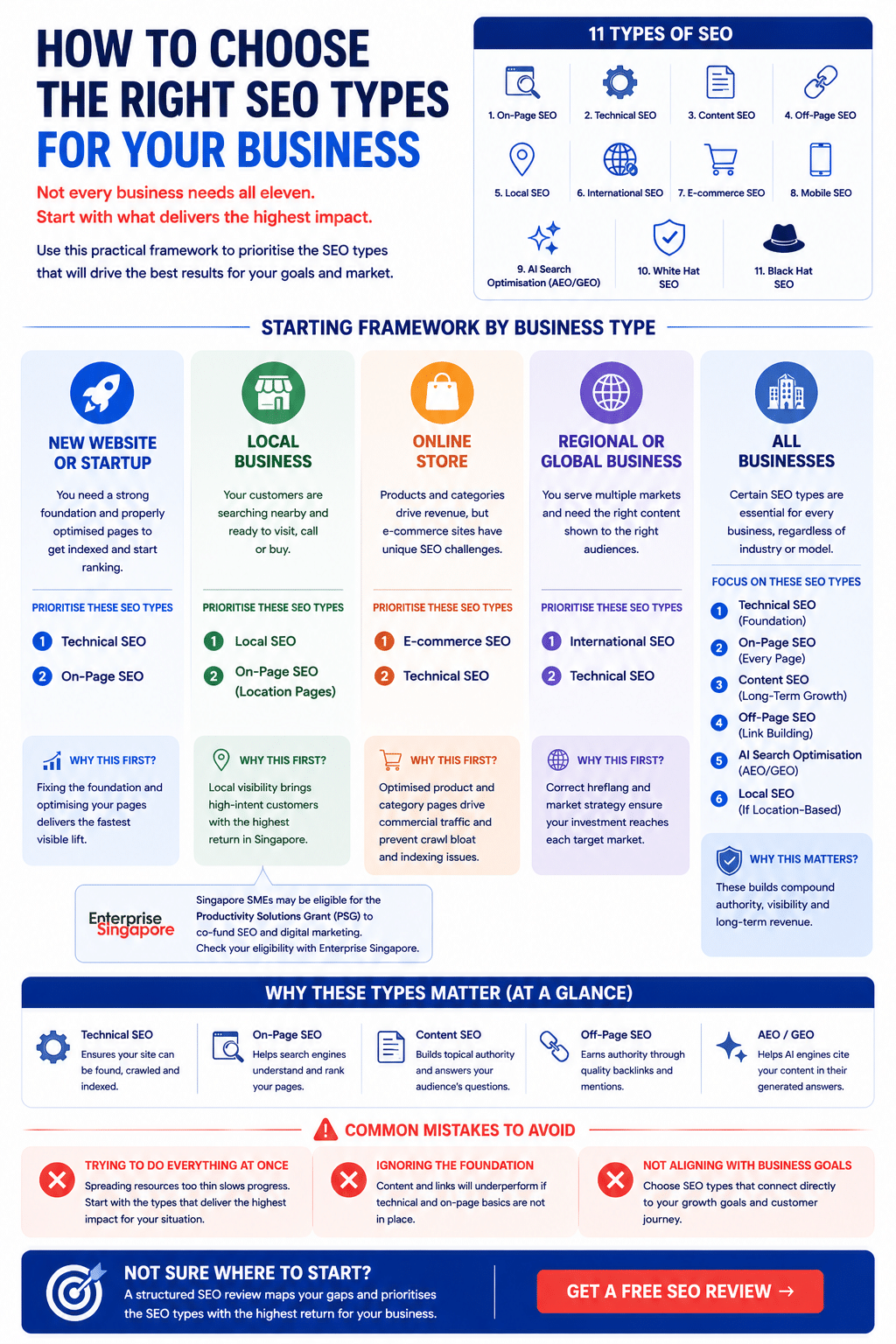
Types of SEO Tools
Search Engine Optimization (SEO) tools are essential for improving a website’s visibility and ranking on search engine results pages. There are various types of SEO tools available, each serving a specific purpose in the optimization process. Here are some common types of SEO tools:
Keyword Research Tools
Keyword research tools help identify relevant keywords and phrases that users search for. These tools provide insights into search volume, competition level, and potential traffic for specific keywords.
On-Page SEO Tools
On-page SEO tools analyse individual web pages to optimize content, meta tags, headings, images, and other on-page elements for better search engine visibility.
Backlink Analysis Tools
Backlink analysis tools help monitor and evaluate a website’s backlink profile. They provide insights into the quality and quantity of backlinks pointing to a site, helping to identify opportunities for link building.
Technical SEO Tools
Technical SEO tools assess a website’s technical aspects such as site speed, mobile-friendliness, crawlability, and indexability. These tools help ensure that a website is optimized for search engine crawlers.
Rank Tracking Tools
Rank tracking tools monitor keyword rankings on search engine results pages over time. They provide data on keyword performance and visibility, allowing users to track progress and make informed decisions.
Content Optimization Tools
Content optimization tools analyse content quality, relevance, readability, and keyword usage to enhance the overall effectiveness of web content for both users and search engines.
Competitive Analysis Tools
Competitive analysis tools help evaluate competitors’ strategies, keywords, backlinks, and overall performance in search results. These insights can inform your own SEO strategy and tactics.
In conclusion, utilizing a combination of these types of SEO tools can significantly improve your website’s search engine visibility, organic traffic, and overall online presence. Whether you are an experienced SEO professional or just starting with optimization efforts, leveraging the right tools is key to achieving success in the competitive digital landscape.
Understanding SEO: A Guide to Frequently Asked Questions About SEO Tools and Techniques
- What is the best SEO tool for a website?
- What are SEO techniques?
- What is the best tool for SEO?
- What are the different types of SEO?
- What are the 5 types of SEO?
- What are the 5 SEO elements?
- How many types of SEO tools are there?
- What tool is used by SEO?
- What are the 4 areas of SEO?
- What are all the types of SEO?
- What are the four types of SEO?
- What are the 3 types of SEO?
- What are 3 pillar of SEO?
- What are the 4 types of SEO?
- What are tools of SEO?
- What are types of SEO?
- What is simple SEO tool?
- What are different types of SEO tools?
- Is SEO dead or evolving in 2026?
What is the best SEO tool for a website?
When it comes to determining the best SEO tool for a website, the answer can vary depending on specific needs and goals. There is no one-size-fits-all solution, as different tools cater to different aspects of search engine optimization. Some popular choices among professionals include tools like SEMrush, Ahrefs, Moz Pro, and Google Analytics. These tools offer a range of features such as keyword research, backlink analysis, on-page SEO audits, and performance tracking. Ultimately, the best SEO tool for a website is one that aligns with the website’s objectives, budget, and level of expertise in SEO practices. Conducting thorough research and testing different tools can help identify the most suitable option to improve the website’s visibility and ranking on search engine results pages.
What are SEO techniques?
SEO techniques refer to the strategies, tactics, and practices employed to improve a website’s visibility and ranking on search engine results pages. These techniques encompass a wide range of activities, including keyword research, on-page optimization, link building, content creation, technical SEO enhancements, and more. By implementing effective SEO techniques, website owners aim to enhance their online presence, attract organic traffic, and ultimately drive conversions. It is essential for digital marketers and website owners to stay updated with the latest SEO techniques to adapt to the ever-evolving landscape of search engine algorithms and user behaviours.
What is the best tool for SEO?
When it comes to determining the best tool for SEO, there isn’t a one-size-fits-all answer as the effectiveness of a tool can vary depending on individual needs and goals. The best tool for SEO is often one that aligns with your specific requirements and workflow, whether it’s keyword research, on-page optimization, backlink analysis, or technical SEO. It’s essential to explore different tools, consider factors such as user interface, features, reliability, and support, and choose the tool that best suits your objectives and budget. Conducting thorough research and testing various tools can help you identify the most suitable option to enhance your website’s search engine visibility and performance.
What are the different types of SEO?
When exploring the question “What are the different types of SEO?”, it is essential to understand that Search Engine Optimization (SEO) encompasses various strategies and techniques aimed at improving a website’s visibility and ranking on search engine results pages. The primary types of SEO include on-page SEO, off-page SEO, and technical SEO. On-page SEO focuses on optimizing individual web pages with relevant content, meta tags, and keywords. Off-page SEO involves building backlinks and establishing a website’s authority through external sources. Technical SEO deals with the technical aspects of a website, such as site speed, mobile-friendliness, and indexing. By incorporating these different types of SEO into a comprehensive strategy, website owners can enhance their online presence and attract more organic traffic from search engines.
What are the 5 types of SEO?
When it comes to the types of SEO tools, there are various categories that serve specific purposes in the search engine optimization process. The five main types of SEO tools include keyword research tools, on-page SEO tools, backlink analysis tools, technical SEO tools, and rank tracking tools. Each type plays a crucial role in improving a website’s visibility and ranking on search engine results pages by focusing on different aspects such as keyword optimization, content analysis, backlink quality assessment, technical site performance evaluation, and monitoring keyword rankings over time. By utilising a combination of these types of SEO tools effectively, website owners and digital marketers can enhance their online presence and attract more organic traffic to their sites.
What are the 5 SEO elements?
When it comes to SEO, there are five key elements that play a crucial role in optimising a website for search engines. These elements include on-page factors such as content quality, keyword usage, meta tags, and internal linking, as well as off-page factors like backlinks and social signals. By focusing on these essential SEO elements, website owners can improve their site’s visibility, ranking, and overall performance in search engine results pages.
How many types of SEO tools are there?
There are several types of SEO tools available to assist in various aspects of search engine optimization. Common categories include keyword research tools, on-page SEO tools, backlink analysis tools, technical SEO tools, rank tracking tools, content optimization tools, and competitive analysis tools. Each type serves a specific purpose in improving website visibility and ranking on search engine results pages. By utilising a combination of these diverse SEO tools, individuals and businesses can enhance their online presence and achieve better performance in organic search results.
What tool is used by SEO?
In the field of SEO, a wide range of tools is used to enhance website visibility and performance on search engines. SEO professionals rely on various tools such as keyword research tools, on-page SEO analysis tools, backlink checkers, technical SEO audit tools, rank tracking software, content optimization platforms, and competitive analysis tools. Each tool serves a specific purpose in optimizing websites for search engines and improving their search rankings. By leveraging a combination of these SEO tools effectively, professionals can develop robust strategies to boost organic traffic and achieve better online visibility.
What are the 4 areas of SEO?
In the realm of Search Engine Optimization (SEO), the discipline can be broadly categorised into four key areas that are essential for improving a website’s visibility and ranking on search engine results pages. These areas include on-page SEO, which focuses on optimizing individual web pages with relevant content and meta tags; off-page SEO, which involves building backlinks and enhancing a website’s authority through external sources; technical SEO, which deals with the technical aspects of a website such as site speed, mobile-friendliness, and indexing; and finally, content SEO, which revolves around creating high-quality and engaging content that resonates with both users and search engines. Mastering these four areas is crucial for a comprehensive SEO strategy that drives organic traffic and enhances online presence.
What are all the types of SEO?
When it comes to the types of SEO, there are several key categories that encompass different aspects of search engine optimization. These include on-page SEO, off-page SEO, technical SEO, local SEO, and mobile SEO. On-page SEO focuses on optimizing individual web pages for specific keywords and content relevance. Off-page SEO involves building backlinks and enhancing a website’s authority through external sources. Technical SEO deals with the technical aspects of a website to improve its crawlability and indexation by search engines. Local SEO targets location-based searches to help businesses attract local customers, while mobile SEO ensures websites are optimized for mobile devices for a seamless user experience. Each type of SEO plays a crucial role in enhancing a website’s visibility and ranking on search engine results pages.
What are the four types of SEO?
When it comes to Search Engine Optimization (SEO), there are four main types that encompass different aspects of website optimization. These include on-page SEO, off-page SEO, technical SEO, and local SEO. On-page SEO focuses on optimizing individual web pages with relevant content and keywords. Off-page SEO involves building backlinks and increasing a website’s authority through external factors. Technical SEO deals with the technical aspects of a site such as site speed and mobile-friendliness. Lastly, local SEO targets geographically specific searches to improve visibility in local search results. Each type plays a crucial role in enhancing a website’s search engine performance and overall online presence.
What are the 3 types of SEO?
When it comes to the types of SEO, there are primarily three main categories: on-page SEO, off-page SEO, and technical SEO. On-page SEO focuses on optimizing individual web pages to improve their search engine visibility and relevance. Off-page SEO involves strategies that aim to enhance a website’s authority and reputation through activities like link building and social media engagement. Technical SEO deals with the technical aspects of a website, such as site speed, mobile-friendliness, and structured data markup, to ensure optimal performance in search engine rankings. By incorporating these three types of SEO practices effectively, businesses can enhance their online presence and attract more organic traffic to their websites.
What are 3 pillar of SEO?
In the realm of Search Engine Optimization (SEO), the concept of the “3 pillars of SEO” refers to the fundamental elements that form the foundation of a successful SEO strategy. These pillars typically include on-page SEO, off-page SEO, and technical SEO. On-page SEO focuses on optimizing individual web pages with relevant content, meta tags, and keywords to improve search engine visibility. Off-page SEO involves building high-quality backlinks from reputable websites to enhance a site’s authority and credibility. Technical SEO deals with optimizing website structure, speed, mobile-friendliness, and other technical aspects to ensure smooth crawling and indexing by search engines. By understanding and effectively implementing these 3 pillars of SEO, website owners can enhance their online presence and drive organic traffic to their sites.
What are the 4 types of SEO?
There are four main types of SEO tools that play crucial roles in enhancing a website’s search engine visibility and performance. These include keyword research tools, which help identify relevant keywords for content optimization; on-page SEO tools, which focus on optimizing individual web pages for search engines; off-page SEO tools, such as backlink analysis tools that assess a website’s backlink profile; and technical SEO tools that ensure a website’s technical aspects are optimized for search engine crawlers. By utilising these four types of SEO tools effectively, website owners and digital marketers can improve their online presence and attract more organic traffic to their sites.
What are tools of SEO?
When asking “What are tools of SEO?”, it refers to the various software and resources available to assist in Search Engine Optimization (SEO) efforts. SEO tools encompass a wide range of functionalities, including keyword research, on-page analysis, backlink monitoring, technical audits, rank tracking, content optimization, and competitive analysis. These tools play a crucial role in helping website owners and digital marketers improve their online visibility, organic traffic, and search engine rankings by providing valuable insights and data-driven strategies for effective SEO implementation.
What are types of SEO?
When it comes to the types of SEO, there are several key categories that encompass various strategies and techniques aimed at improving a website’s visibility and ranking on search engine results pages. These types include on-page SEO, off-page SEO, technical SEO, local SEO, and mobile SEO. On-page SEO focuses on optimizing individual web pages with relevant content and meta tags, while off-page SEO involves building backlinks and increasing a site’s authority. Technical SEO deals with the technical aspects of a website to ensure optimal crawlability and indexability by search engines. Local SEO targets local searches to improve visibility for businesses in specific geographic locations, while mobile SEO optimizes websites for mobile devices to enhance user experience. Each type of SEO plays a crucial role in enhancing a website’s online presence and attracting organic traffic from search engines.
What is simple SEO tool?
A simple SEO tool is a user-friendly and straightforward tool designed to assist individuals, businesses, and digital marketers in improving their website’s search engine optimization performance. These tools typically offer basic features such as keyword research, on-page analysis, backlink checking, or rank tracking in an easy-to-use interface. Simple SEO tools are ideal for beginners or those looking for a quick and uncomplicated way to enhance their website’s visibility and ranking on search engine results pages.
What are different types of SEO tools?
When it comes to the question “What are different types of SEO tools?”, it’s important to understand that there is a wide variety of tools available to assist in different aspects of Search Engine Optimization. These tools can be categorised into types such as keyword research tools, on-page SEO tools, backlink analysis tools, technical SEO tools, rank tracking tools, content optimization tools, and competitive analysis tools. Each type serves a specific purpose in improving website visibility, keyword rankings, content quality, and overall search engine performance. By utilising a combination of these SEO tools effectively, website owners and digital marketers can enhance their online presence and attract more organic traffic to their websites.
Is SEO dead or evolving in 2026?
The question of whether SEO is dead or evolving in 2026 is a common concern among website owners and digital marketers. While some may argue that the landscape of SEO is constantly changing and becoming more complex, leading to the belief that traditional SEO practices may be less effective, the reality is that SEO is far from dead. In fact, SEO continues to evolve as search engines refine their algorithms and user behaviours shift. In 2026, SEO will likely focus more on user experience, quality content, mobile optimization, voice search, and artificial intelligence. Adapting to these changes and staying updated with the latest trends will be crucial for maintaining a strong online presence and ranking well in search engine results pages.