
On Site SEO Strategies: A Practical Guide to Better Rankings
On-Site SEO Strategies: A Practical Guide to Improving Your Website
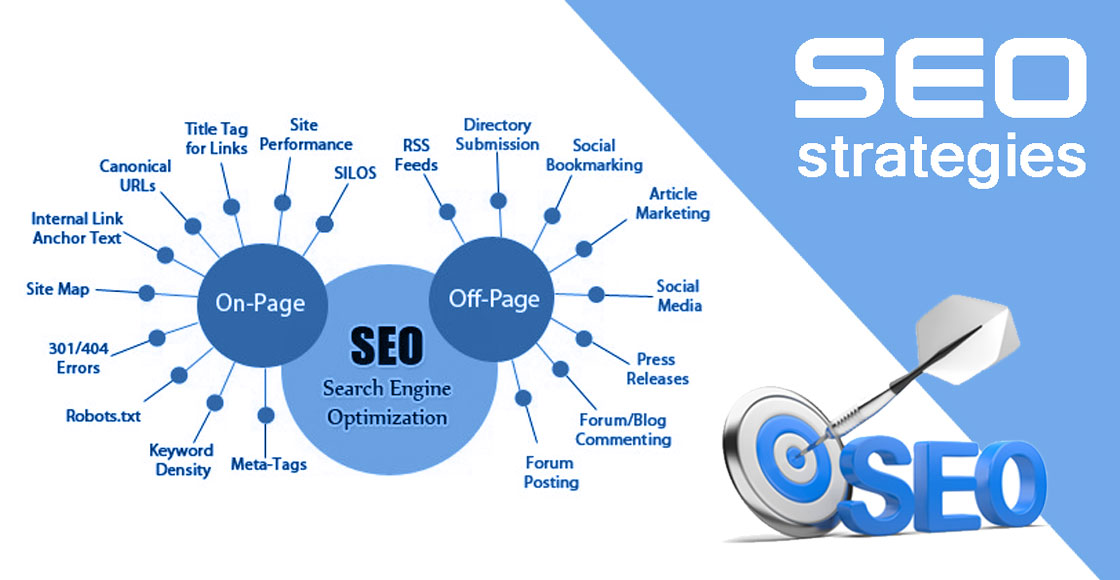
On-site SEO, also known as on-page SEO, is the process of improving the content and structure of individual pages so that search engines and visitors can understand them more easily. It includes everything from page titles and headings to internal links, image descriptions and technical details.
Strong on-site SEO cannot guarantee top rankings, but it can make your pages clearer, more useful and easier to discover. The strategies below provide a practical starting point.
Understand what your audience is searching for
Before writing or updating a page, consider the questions and needs behind a search. Someone searching for “how to prune roses” is likely looking for practical instructions, while someone searching for “buy rose pruning shears” may be ready to make a purchase.
Research relevant search terms and group them by topic and intent. Use these insights to decide what each page should cover, rather than trying to target every related phrase on a single page. A page should have a clear purpose and answer the visitor’s main question.
Create useful, well-structured content
Content should be accurate, relevant and written for people first. Address the topic thoroughly enough to meet the reader’s needs, but avoid adding unnecessary text simply to make a page longer. Use straightforward language, explain unfamiliar terms and support important claims with reliable sources where appropriate.
Organise longer pages into logical sections. A clear structure helps readers find information quickly and helps search engines interpret the page.
- Use one descriptive
<h1>heading to introduce the main topic. - Break the content into sections with relevant
<h2>and<h3>headings. - Keep paragraphs focused and use lists when they make information easier to scan.
- Update content when facts, products, services or guidance change.
Write descriptive page titles and meta descriptions
The page title helps describe a page to search engines and can appear as the clickable headline in search results. Write a distinct, accurate title for each important page. Put the main subject near the beginning when it reads naturally, and avoid repeating the same phrase unnecessarily.
A meta description is a short summary that may appear beneath the title in search results. It is not a direct ranking factor, but a clear and compelling description can help people decide whether to visit your page. Summarise what the page offers and set realistic expectations.
Use headings to improve clarity
Headings should describe the content that follows, not just provide visual decoration. A sensible hierarchy makes a page easier to navigate, particularly for people using screen readers. Do not choose headings solely to include keywords, and do not skip levels simply because a particular heading style looks better.
Use keywords naturally
Include the language your audience uses where it fits naturally, especially in the title, main heading and relevant sections. Also consider related terms and questions that help explain the subject. There is no ideal keyword density: repeated, unnatural phrasing can make content difficult to read and may reduce trust.
Focus on covering the topic clearly rather than inserting a specific phrase a set number of times.
Improve your internal linking
Internal links connect pages on your website. They help visitors discover related information and give search engines more context about how your pages fit together.
- Link to relevant pages where they genuinely help the reader.
- Use descriptive link text so people know what to expect.
- Check that important pages are reachable through links from other pages.
- Review and repair broken internal links.
Avoid vague link text such as “click here” when a more informative description is possible. Links should feel useful, not forced.
Optimise images and other media
Images can make content more engaging, but large files may slow a page down. Resize images to suit their display dimensions and use modern, well-supported formats where appropriate. Descriptive file names can also make your media library easier to manage.
Add alternative text to images that convey useful information. Describe the image’s purpose or content concisely. For purely decorative images, use empty alternative text so assistive technology can skip them. Avoid stuffing alternative text with keywords.
Make your pages fast and mobile-friendly
People visit websites on a range of devices and connections. Pages should load reliably, fit different screen sizes and remain easy to use on a mobile phone. Pay attention to image sizes, unnecessary scripts, layout shifts and elements that are difficult to tap.
Use performance tools to identify specific issues rather than making changes based on guesswork. Improving speed is an ongoing process, and the best changes will depend on how your website is built.
Use clear URLs and manage duplicate pages
Keep URLs concise, readable and relevant to the page. Use hyphens to separate words and avoid long strings of unnecessary numbers or parameters when a simpler URL is possible. If a page’s URL must change, set up an appropriate redirect so visitors and search engines can find the new address.
Similar or duplicate pages can make it difficult to determine which version should appear in search results. Review your site for overlapping pages, unnecessary duplicates and inconsistent URL versions. Where appropriate, use canonical tags to indicate the preferred version.
Add structured data where it is appropriate
Structured data is a standardised way of describing information on a page, such as a product, event or organisation. Correctly implemented structured data may help search engines understand that information and can make a page eligible for enhanced search features. It does not guarantee that those features will appear.
Use only structured data that accurately reflects visible page content, follow the relevant guidelines and check your implementation with available testing tools.
Build trust and demonstrate expertise
Visitors should be able to understand who is responsible for a website and why its information is worth considering. Depending on the type of site, useful trust signals may include author details, contact information, editorial policies, references, customer support details and clear information about products or services.
Keep claims accurate and make it easy for readers to distinguish facts from opinion. This is particularly important for content that could affect a person’s health, finances or safety.
Measure results and keep improving
Use analytics and search performance tools to understand how pages are performing. Look at relevant measures such as organic impressions, clicks, engagement, conversions and the queries bringing visitors to your site. Review trends over time rather than reacting to a single day’s results.
If a page attracts visitors but does not meet their needs, improve its content or user experience. If an important page receives little search visibility, check whether it is accessible to search engines, clearly focused and well connected to other pages on your site.
On-site SEO checklist
- Each important page has a clear purpose and serves a real audience need.
- Content is accurate, useful and regularly reviewed.
- Page titles and meta descriptions are descriptive and unique.
- Headings provide a logical structure.
- Keywords are used naturally, without repetition for its own sake.
- Internal links help visitors find relevant pages.
- Images are appropriately sized and have useful alternative text where needed.
- Pages work well on mobile devices and load reliably.
- URLs are clear, and duplicate pages are managed appropriately.
- Performance and search visibility are monitored over time.
Conclusion
Effective on-site SEO is about making each page useful, accessible and easy to understand. Start with the needs of your audience, organise information clearly and take care of the technical details that affect how people experience your site. Regular reviews and thoughtful improvements can help your pages remain relevant as your audience and your website evolve.
Essential On-Site SEO Strategies: Answering Your Top Questions
- What are the top 3 SEO strategies?
- Is SEO dead now with AI?
- What are the types of SEO strategies?
- What is the 80/20 rule in SEO?
- How to maximize on site SEO?
- What are the on-page SEO techniques?
- What is onsite and offsite SEO optimization?
- How to do a SEO strategy for a website?
What are the top 3 SEO strategies?
The top three on-site SEO strategies are creating useful, original content that matches your audience’s search intent; optimising page titles, headings, URLs and image descriptions with relevant terms used naturally; and improving site structure through clear internal links, fast-loading pages and a mobile-friendly design. Together, these practices make your pages easier for visitors to use and for search engines to understand.
Is SEO dead now with AI?
The notion that SEO is dead due to the rise of AI is a misconception. While AI technologies, such as machine learning and natural language processing, have transformed the digital landscape, they have not rendered SEO obsolete. Instead, AI has enhanced the way search engines understand and rank content, making on-site SEO strategies more important than ever. Businesses must adapt by focusing on creating high-quality, relevant content and optimising their websites to meet evolving search algorithms. As AI continues to advance, it will likely refine SEO practices further, but the fundamental principles of delivering valuable content and a seamless user experience remain crucial for success in search engine rankings.
What are the types of SEO strategies?
SEO strategies are commonly grouped into on-site (on-page), technical, off-site and local SEO. On-site SEO improves the content and elements on individual pages, such as titles, headings, keywords and internal links; technical SEO helps search engines crawl and index a site; off-site SEO builds authority through signals such as relevant backlinks; and local SEO helps businesses reach people in a specific area. These approaches work best together, with on-site improvements providing a strong foundation.
What is the 80/20 rule in SEO?
The 80/20 rule in SEO is a rule of thumb based on the Pareto principle: a relatively small number of actions may drive a large share of results. For on-site SEO, this might mean prioritising your most important pages, fixing major technical issues, improving useful content and strengthening internal links before focusing on minor tweaks. The exact proportions are not guaranteed, so use performance data and audience needs to decide which improvements deserve attention first.
How to maximize on site SEO?
To maximise on-site SEO, focus on making each page useful, clear and easy to navigate. Research what your audience is looking for, create original content that answers their questions, and use relevant search terms naturally in page titles, headings and body text. Improve internal links, write descriptive meta descriptions, optimise images, and make sure pages load quickly and work well on mobile devices. Regularly review performance and update content so it remains accurate and relevant.
What are the on-page SEO techniques?
On-page SEO techniques are the steps taken to make individual web pages clearer and more useful to both visitors and search engines. They include researching relevant search terms, writing helpful content, creating descriptive page titles and meta descriptions, organising information with clear headings, using keywords naturally, adding useful internal links, optimising images and improving page speed and mobile usability. It is also important to use clear URLs, ensure pages are easy to navigate and keep information accurate and up to date.
What is onsite and offsite SEO optimization?
On-site SEO optimisation involves improving elements on your own website, such as page content, titles, headings, internal links, site structure and loading speed, to make pages more useful and easier for search engines to understand. Off-site SEO optimisation focuses on factors beyond your website, particularly earning links and mentions from reputable websites, as well as building your brand’s credibility and visibility. Both approaches can support search performance, but they should prioritise genuine value for visitors rather than attempts to manipulate rankings.
How to do a SEO strategy for a website?
To create an SEO strategy for a website, start by defining your goals and understanding what your audience is searching for. Research relevant keywords and search intent, then organise your pages around clear topics and create useful, original content for each one. Optimise page titles, headings, URLs, meta descriptions, images and internal links, while ensuring the site is fast, mobile-friendly and easy for search engines to crawl. Finally, track performance using analytics and search tools, review which pages and queries are performing well, and update your strategy regularly based on the results.