
Unlocking the Power of Web Search Engine Optimization for Online Success
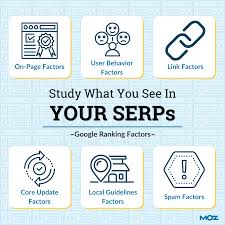
The Importance of Web Search Engine Optimization
Web search engine optimization, commonly known as SEO, is a crucial aspect of any successful online presence. In today’s digital age, where competition for visibility is fierce, implementing effective SEO strategies can make a significant difference in how well your website performs in search engine results.
What is SEO?
SEO involves the process of optimizing your website to improve its visibility and ranking in search engine results pages (SERPs). By strategically incorporating relevant keywords, creating high-quality content, improving website structure and performance, and building quality backlinks, you can enhance your website’s chances of appearing higher in search results.
The Benefits of SEO
Effective SEO practices can bring numerous benefits to your website and business. By improving your search engine ranking, you can attract more organic traffic, increase brand visibility and credibility, reach a wider audience, and ultimately drive more conversions and sales.
SEO Best Practices
To achieve success with SEO, it’s essential to follow best practices such as:
- Performing keyword research to identify relevant terms and phrases
- Creating high-quality, engaging content that provides value to users
- Optimizing on-page elements such as title tags, meta descriptions, and headings
- Improving website speed and performance for better user experience
- Building quality backlinks from reputable websites
- Regularly monitoring and analysing your website’s performance to make data-driven improvements
Conclusion
In conclusion, web search engine optimization is a critical component of any successful online strategy. By implementing effective SEO techniques and staying up-to-date with industry trends, you can enhance your website’s visibility, attract more traffic, and achieve your business goals. Remember that SEO is an ongoing process that requires dedication and continuous effort but the rewards are well worth it.
9 Essential Tips for Enhancing Your Website’s SEO Performance
- 1. Conduct keyword research to target relevant search terms.
- 2. Optimise on-page elements such as title tags, meta descriptions, and heading tags.
- 3. Create high-quality, engaging content that is valuable to your audience.
- 4. Improve website loading speed for better user experience and SEO performance.
- 5. Build quality backlinks from reputable websites to increase domain authority.
- 6. Use descriptive alt text for images to improve accessibility and keyword relevance.
- 7. Regularly update and refresh your website content to show search engines it is active.
- 8. Utilise social media platforms to promote your content and drive traffic to your site.
- 9. Monitor performance metrics using tools like Google Analytics to track progress and make informed decisions.
1. Conduct keyword research to target relevant search terms.
To improve your website’s visibility and attract organic traffic, it is essential to conduct thorough keyword research to target relevant search terms. By identifying the keywords and phrases that your target audience is searching for, you can optimise your content effectively and increase the chances of your website appearing in search engine results. This strategic approach to keyword research plays a crucial role in enhancing your website’s search engine optimisation efforts and ultimately driving more traffic to your site.
2. Optimise on-page elements such as title tags, meta descriptions, and heading tags.
Optimising on-page elements, such as title tags, meta descriptions, and heading tags, is a crucial tip in web search engine optimisation. By carefully crafting these elements with relevant keywords and compelling content, you can improve your website’s visibility and ranking in search engine results. Title tags help search engines understand the topic of your page, meta descriptions provide a succinct summary for users, and heading tags structure your content for better readability and SEO. Paying attention to these on-page elements can significantly enhance the overall performance of your website in organic search results.
3. Create high-quality, engaging content that is valuable to your audience.
Creating high-quality, engaging content that provides value to your audience is a fundamental tip for effective web search engine optimization. By crafting content that is informative, relevant, and engaging, you not only attract visitors to your website but also keep them engaged and encourage them to return. Valuable content not only helps improve your search engine ranking but also builds credibility and trust with your audience, ultimately leading to increased traffic, conversions, and overall success for your online presence.
4. Improve website loading speed for better user experience and SEO performance.
Improving website loading speed is a crucial tip for enhancing both user experience and SEO performance. A fast-loading website not only provides visitors with a seamless browsing experience but also signals search engines that your site is well-optimized and user-friendly. By prioritising website speed, you can reduce bounce rates, increase user engagement, and ultimately improve your search engine ranking. Investing in optimising loading times can have a significant impact on the overall success of your website and online presence.
5. Build quality backlinks from reputable websites to increase domain authority.
Building quality backlinks from reputable websites is a crucial strategy in web search engine optimization. By establishing links from trustworthy and authoritative sites, you can enhance your website’s domain authority, which in turn can positively impact your search engine rankings. Search engines view backlinks as a vote of confidence in your content, so acquiring high-quality backlinks can help establish credibility and trustworthiness for your website. Focus on cultivating relationships with reputable sources to improve your site’s visibility and overall SEO performance.
6. Use descriptive alt text for images to improve accessibility and keyword relevance.
Using descriptive alt text for images is a valuable tip in web search engine optimization. Alt text not only enhances the accessibility of your website for users with visual impairments but also contributes to the overall keyword relevance of your content. By providing detailed and relevant alt text for images, you can improve the understanding of search engine crawlers about the context and subject matter of your visuals. This practice not only helps in boosting SEO performance but also ensures a better user experience for all visitors to your website.
7. Regularly update and refresh your website content to show search engines it is active.
Regularly updating and refreshing your website content is a vital tip in web search engine optimization. By consistently adding new and relevant content to your site, you signal to search engines that your website is active and regularly maintained. This can positively impact your search engine ranking, as search engines tend to favour websites that provide fresh and up-to-date information to users. Additionally, updating your content can also keep your audience engaged and coming back for more, ultimately contributing to a better user experience and higher levels of traffic on your website.
8. Utilise social media platforms to promote your content and drive traffic to your site.
Utilising social media platforms to promote your content and drive traffic to your site is a valuable tip for enhancing your web search engine optimisation efforts. By sharing your website content on popular social media channels such as Facebook, Twitter, Instagram, and LinkedIn, you can reach a wider audience, increase engagement, and attract more visitors to your site. Social media promotion not only boosts brand visibility but also encourages user interaction and sharing, which can improve your website’s overall search engine ranking. Integrating social media into your SEO strategy is an effective way to amplify the reach of your content and connect with potential customers in a dynamic online environment.
9. Monitor performance metrics using tools like Google Analytics to track progress and make informed decisions.
Monitoring performance metrics is a key aspect of successful web search engine optimization. Tip 9 advises using tools like Google Analytics to track progress and gather valuable insights for making informed decisions. By regularly analysing data such as website traffic, user behaviour, keyword performance, and conversion rates, website owners can identify areas for improvement and adjust their SEO strategies accordingly. This data-driven approach enables businesses to optimise their online presence effectively and achieve better results in search engine rankings.