
Mastering On-Page SEO for Optimal Site Performance
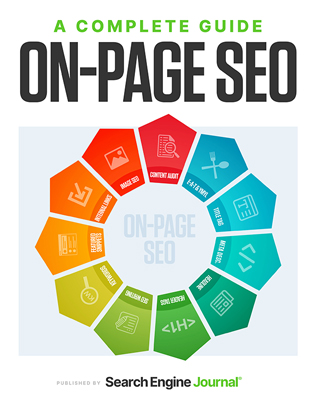
The Importance of On-Page SEO for Your Website
Search Engine Optimization (SEO) is crucial for improving your website’s visibility and ranking on search engine results pages. One essential aspect of SEO is on-page SEO, which focuses on optimizing individual web pages to attract more organic traffic and enhance user experience.
Key Elements of On-Page SEO:
Meta Tags: Title tags, meta descriptions, and meta keywords help search engines understand the content of your page and display relevant information to users in search results.
URL Structure: A clean and descriptive URL structure improves user experience and makes it easier for search engines to crawl and index your website.
Keyword Optimization: Including relevant keywords in your content, headings, and image alt text helps search engines understand the topic of your page and rank it appropriately.
Quality Content: Creating high-quality, informative, and engaging content that meets the needs of your target audience is key to on-page SEO success.
Internal Linking: Linking to other relevant pages within your website helps search engines discover and index new content while improving user navigation.
The Benefits of On-Page SEO:
– Improved Search Engine Rankings: Optimizing on-page elements increases the chances of your website ranking higher in search results for relevant keywords.
– Enhanced User Experience: By focusing on on-page SEO, you create a user-friendly website that is easy to navigate and provides valuable information to visitors.
– Increased Organic Traffic: Effective on-page optimization attracts more organic traffic to your website, leading to higher visibility and potential conversions.
In Conclusion
On-page SEO plays a vital role in enhancing the overall performance of your website in search engine results. By implementing best practices such as optimizing meta tags, using relevant keywords, creating quality content, and improving user experience through internal linking, you can boost your website’s visibility, attract more organic traffic, and ultimately achieve your online goals.
Top 8 Benefits of On-Page SEO: Boost Rankings, Traffic, and Credibility
- Improved search engine rankings for targeted keywords
- Enhanced user experience through optimized content and structure
- Increased organic traffic from search engines
- Better visibility in search engine results pages (SERPs)
- Higher click-through rates (CTRs) with compelling meta descriptions
- Cost-effective compared to paid advertising methods
- Builds credibility and trust with users and search engines
- Helps in targeting specific audience segments for better conversions
Challenges of On-Page SEO: Time Investment, Frequent Updates, Limited Effectiveness, and Technical Demands
Improved search engine rankings for targeted keywords
One significant advantage of on-page SEO is the improvement in search engine rankings for targeted keywords. By strategically optimising on-page elements such as meta tags, content, and internal linking with relevant keywords, websites can increase their visibility and relevance to search engines. This targeted approach enhances the chances of ranking higher in search results for specific keywords, ultimately driving more organic traffic to the website and increasing its online presence.
Enhanced user experience through optimized content and structure
Enhanced user experience is a significant benefit of on-page SEO, achieved through the optimization of content and website structure. By creating well-structured and informative content that aligns with user intent and needs, visitors to the website can easily find relevant information. Clear navigation, engaging visuals, and properly formatted content enhance user engagement and satisfaction, leading to longer dwell times and increased likelihood of conversions. Optimizing the website structure ensures that users can navigate seamlessly, find what they are looking for quickly, and have a positive overall experience while interacting with the site.
Increased organic traffic from search engines
One significant advantage of on-page SEO is the potential for increased organic traffic from search engines. By optimising key elements such as meta tags, keyword usage, and content quality, websites can improve their visibility and relevance in search engine results pages. This targeted approach not only attracts more users actively searching for related content but also enhances the overall user experience, leading to higher click-through rates and potentially more conversions. Ultimately, the focus on on-page SEO can drive a steady stream of organic traffic to websites, increasing their online presence and potential for growth.
Better visibility in search engine results pages (SERPs)
By implementing effective on-page SEO strategies, websites can achieve better visibility in search engine results pages (SERPs). Optimizing meta tags, URL structures, and content with relevant keywords increases the likelihood of search engines recognising and ranking the website for relevant queries. This improved visibility not only drives more organic traffic to the site but also enhances brand awareness and credibility among users searching for related information or products.
Higher click-through rates (CTRs) with compelling meta descriptions
One significant advantage of on-page SEO is the potential to achieve higher click-through rates (CTRs) by crafting compelling meta descriptions. When meta descriptions are well-written and engaging, they can entice users to click on your website link in search engine results pages. By incorporating relevant keywords and providing a concise summary of your content, you can attract more clicks, increase traffic to your site, and improve overall visibility online. Effective meta descriptions not only enhance the user experience but also contribute to better search engine rankings, making them a valuable asset in any SEO strategy.
Cost-effective compared to paid advertising methods
Implementing on-page SEO strategies is a cost-effective approach compared to paid advertising methods. By optimising meta tags, keywords, content, and other on-page elements, website owners can improve their search engine rankings and attract organic traffic without the need for ongoing advertising expenditure. This sustainable SEO practice not only reduces marketing costs but also provides long-term benefits by increasing website visibility and driving consistent traffic over time.
Builds credibility and trust with users and search engines
Effective on-page SEO builds credibility and trust with both users and search engines by ensuring that your website is well-structured, informative, and easy to navigate. When users find relevant content that meets their needs and expectations, they are more likely to trust your website as a reliable source of information. Similarly, search engines value websites that provide a positive user experience, which can lead to higher rankings in search results. By focusing on on-page SEO techniques such as quality content creation, keyword optimization, and user-friendly design, you can establish credibility with your audience and gain the trust of search engines for improved visibility and organic traffic.
Helps in targeting specific audience segments for better conversions
On-page SEO is a powerful tool that enables website owners to target specific audience segments effectively, leading to better conversion rates. By optimising on-page elements such as meta tags, content, and keywords, websites can attract relevant traffic from their target audience. This targeted approach ensures that the right people are finding the website, increasing the likelihood of conversions and engagement. The ability to tailor on-page SEO strategies to specific audience segments allows businesses to connect with their ideal customers and drive meaningful interactions that ultimately lead to improved conversion rates and business success.
Time-Consuming
On-page SEO presents a significant challenge due to its time-consuming nature. Website owners must invest considerable time in meticulous planning, precise implementation of strategies, and continuous monitoring to ensure the effectiveness of their on-page SEO efforts. This demanding process can be overwhelming for busy website owners who have numerous responsibilities to manage, making it a notable con of on-page SEO.
Constant Updates
One significant drawback of on-page SEO is the need for constant updates. Search engine algorithms undergo frequent changes and updates, making it essential for on-page SEO strategies to be continuously revised and adapted to ensure their effectiveness. This dynamic nature of search engine algorithms can be challenging for website owners and digital marketers, as staying abreast of the latest trends and best practices in on-page SEO requires ongoing effort and vigilance to maintain or improve search engine rankings and visibility.
Limited Impact
Limited Impact: While on-page SEO is crucial for optimising individual web pages, its impact may be limited in achieving high search engine rankings. Off-page factors, such as backlinks, social signals, and domain authority, also play a significant role in determining a website’s ranking on search engine results pages. Without a comprehensive off-page SEO strategy to complement on-page efforts, the full potential of improving search engine visibility and organic traffic may not be realised. It is essential to consider both on-page and off-page SEO techniques to effectively enhance a website’s overall performance and ranking in search results.
Technical Expertise Needed
One significant drawback of on-page SEO is the technical expertise needed to understand and implement its techniques effectively. Many website owners may lack the necessary technical knowledge to optimise their web pages fully. From meta tag optimisation to URL structuring and internal linking, mastering these aspects of on-page SEO can be challenging for those without a background in web development or digital marketing. As a result, some website owners may struggle to maximise the potential benefits of on-page SEO, leading to suboptimal search engine rankings and missed opportunities for organic traffic growth.