
Optimising Ecommerce Success: SEO Best Practices for Ecommerce Sites
SEO Best Practices for Ecommerce Sites
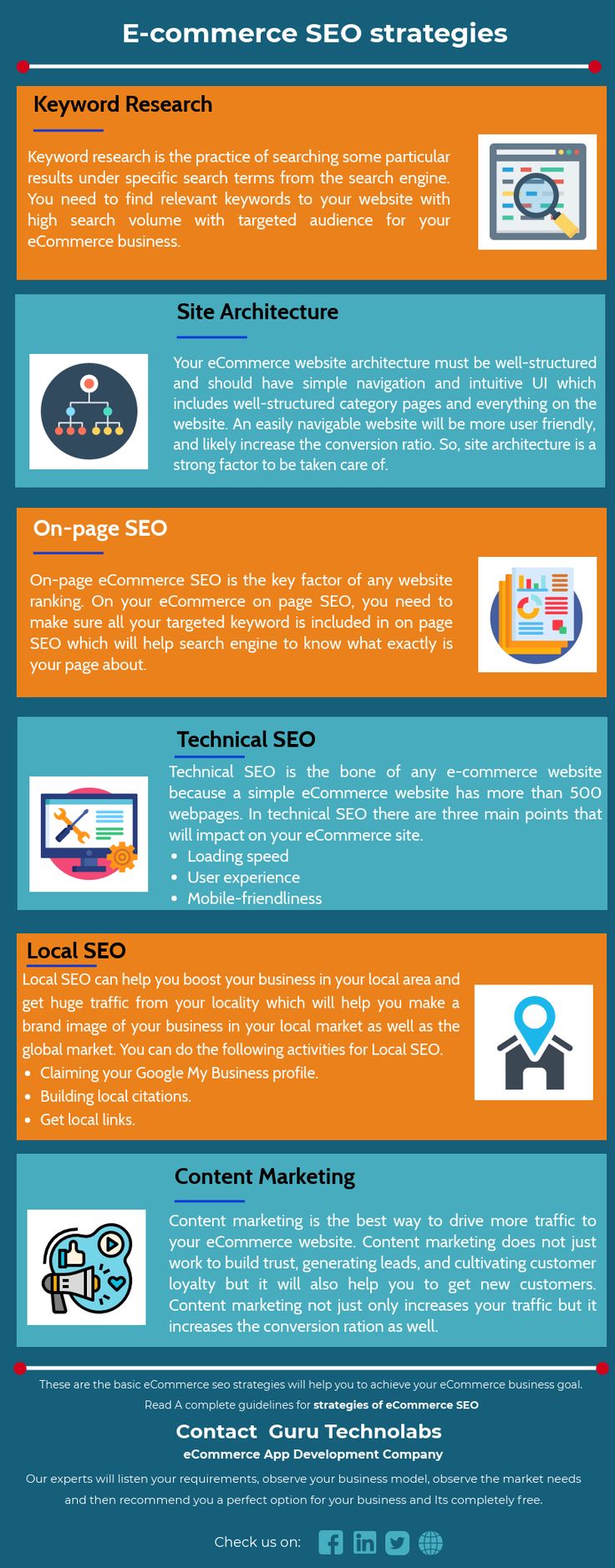
Search Engine Optimization (SEO) is crucial for the success of ecommerce websites. By implementing effective SEO strategies, ecommerce sites can improve their visibility in search engine results, attract more organic traffic, and ultimately increase sales. Here are some best practices to follow:
Keyword Research
Identify relevant keywords that potential customers are likely to use when searching for products you offer. Use tools like Google Keyword Planner to find high-volume and low-competition keywords.
Optimise Product Pages
Optimise product pages with unique titles, meta descriptions, and high-quality images. Include relevant keywords in product descriptions and use structured data markup to enhance search engine visibility.
Mobile-Friendly Design
Ensure your ecommerce site is mobile-friendly as more users are shopping on mobile devices. Responsive design improves user experience and can positively impact search rankings.
Site Speed Optimization
Optimise site speed by compressing images, minifying CSS and JavaScript files, and leveraging browser caching. Faster loading times improve user experience and can boost search engine rankings.
Quality Content Creation
Create unique and engaging content such as blog posts, product reviews, and buying guides. High-quality content not only attracts visitors but also helps build authority and credibility with search engines.
Link Building
Build high-quality backlinks from reputable websites to improve your site’s authority and credibility. Focus on earning natural links through guest blogging, influencer outreach, and content partnerships.
Monitoring and Analysis
Regularly monitor your site’s performance using tools like Google Analytics and Search Console. Analyse key metrics such as traffic sources, bounce rate, conversion rate, and keyword rankings to identify areas for improvement.
In conclusion, implementing these SEO best practices can help ecommerce sites drive organic traffic, improve search engine rankings, and ultimately increase sales. By focusing on user experience, quality content creation, and technical optimisation, ecommerce businesses can stay ahead in the competitive online marketplace.
Essential SEO Best Practices for Ecommerce Sites: Key Strategies and Common Pitfalls
- What are the key SEO strategies for improving visibility and ranking of ecommerce sites?
- How important is keyword research in SEO for ecommerce websites?
- What role does mobile-friendliness play in the SEO performance of ecommerce sites?
- How can site speed optimization impact the search engine rankings of an ecommerce website?
- Why is quality content creation essential for SEO on ecommerce platforms?
- What are effective ways to build backlinks for an ecommerce site’s SEO strategy?
- How can I monitor and analyse the performance of my ecommerce website’s SEO efforts?
- What are some common pitfalls to avoid when implementing SEO best practices on an ecommerce site?
What are the key SEO strategies for improving visibility and ranking of ecommerce sites?
When it comes to enhancing the visibility and ranking of ecommerce sites, implementing key SEO strategies is essential. To improve search engine rankings, ecommerce sites should focus on conducting thorough keyword research to target relevant search terms, optimizing product pages with unique and descriptive content, ensuring mobile-friendliness for a seamless user experience across devices, and building high-quality backlinks from authoritative websites. Additionally, site speed optimization, quality content creation, and regular monitoring of performance metrics are crucial elements in boosting the visibility and ranking of ecommerce sites in search engine results. By incorporating these SEO best practices into their digital marketing strategies, ecommerce businesses can attract more organic traffic and drive conversions effectively.
How important is keyword research in SEO for ecommerce websites?
Keyword research plays a pivotal role in the success of SEO for ecommerce websites. It is crucial for identifying the specific search terms and phrases that potential customers use when looking for products online. By conducting thorough keyword research, ecommerce sites can target relevant keywords with high search volume and low competition, thereby increasing their visibility in search engine results. This strategic approach not only helps attract organic traffic but also enhances the overall effectiveness of SEO efforts, leading to improved rankings and increased opportunities for driving conversions and sales on ecommerce platforms.
What role does mobile-friendliness play in the SEO performance of ecommerce sites?
Mobile-friendliness plays a crucial role in the SEO performance of ecommerce sites. With the increasing number of users accessing websites on mobile devices, search engines like Google give preference to mobile-friendly sites in their rankings. A mobile-responsive design ensures that the site displays properly on various screen sizes, providing a seamless user experience. Sites that are not mobile-friendly may suffer from higher bounce rates and lower search engine rankings, impacting their visibility and ultimately reducing organic traffic and potential sales. Therefore, prioritising mobile-friendliness is essential for ecommerce sites to enhance their SEO performance and stay competitive in the online marketplace.
How can site speed optimization impact the search engine rankings of an ecommerce website?
Site speed optimization plays a crucial role in determining the search engine rankings of an ecommerce website. Search engines like Google consider user experience as a key factor in ranking websites. A faster loading website provides a better user experience, leading to lower bounce rates and higher engagement. Search engines reward websites with fast loading speeds by giving them a ranking boost. In contrast, slow-loading websites may be penalised with lower rankings as they provide a poor user experience. Therefore, by optimising site speed through techniques such as image compression, minifying files, and leveraging browser caching, ecommerce websites can improve their search engine rankings and attract more organic traffic.
Why is quality content creation essential for SEO on ecommerce platforms?
Quality content creation is essential for SEO on ecommerce platforms because it plays a crucial role in attracting and engaging potential customers. In the competitive online marketplace, well-crafted content such as product descriptions, blog posts, and buying guides not only helps to showcase products effectively but also enhances the overall user experience. Search engines value unique and relevant content, rewarding websites with higher rankings in search results. By creating high-quality content that incorporates targeted keywords and provides valuable information to users, ecommerce platforms can improve their visibility, credibility, and ultimately drive organic traffic and conversions.
What are effective ways to build backlinks for an ecommerce site’s SEO strategy?
When it comes to enhancing the SEO strategy of an ecommerce site, building backlinks plays a crucial role in improving search engine rankings and driving organic traffic. Effective ways to build backlinks for an ecommerce site include creating high-quality and shareable content that naturally attracts links from reputable websites, engaging in influencer outreach to secure endorsements and mentions, participating in relevant industry forums and communities to establish authority and gain backlinks, as well as leveraging partnerships with other businesses for mutual link-building opportunities. By diversifying link-building tactics and focusing on acquiring quality backlinks from authoritative sources, ecommerce sites can strengthen their SEO strategy and boost online visibility.
How can I monitor and analyse the performance of my ecommerce website’s SEO efforts?
Monitoring and analysing the performance of your ecommerce website’s SEO efforts is crucial for understanding the effectiveness of your strategies and making informed decisions for improvement. To track your SEO performance, you can use tools like Google Analytics and Google Search Console to monitor key metrics such as organic traffic, keyword rankings, click-through rates, and conversion rates. By regularly reviewing these metrics and identifying trends, strengths, and areas for enhancement, you can adjust your SEO tactics accordingly to maximise visibility, attract more qualified traffic, and ultimately drive higher conversions on your ecommerce site.
What are some common pitfalls to avoid when implementing SEO best practices on an ecommerce site?
When implementing SEO best practices on an ecommerce site, it is important to be aware of common pitfalls to avoid for successful optimisation. One common pitfall is neglecting proper keyword research and targeting, which can lead to ineffective content optimisation. Another pitfall is overlooking the importance of mobile responsiveness and site speed, as slow-loading pages and poor mobile experience can negatively impact search rankings. Additionally, failing to create unique product descriptions and titles may result in duplicate content issues, harming SEO performance. It is crucial to steer clear of these pitfalls by prioritising comprehensive keyword research, focusing on mobile-friendly design, optimizing site speed, and creating original and engaging content for improved search engine visibility and user experience.