
SEO Off-Page Optimisation: A Practical Guide to Building Authority and Rankings
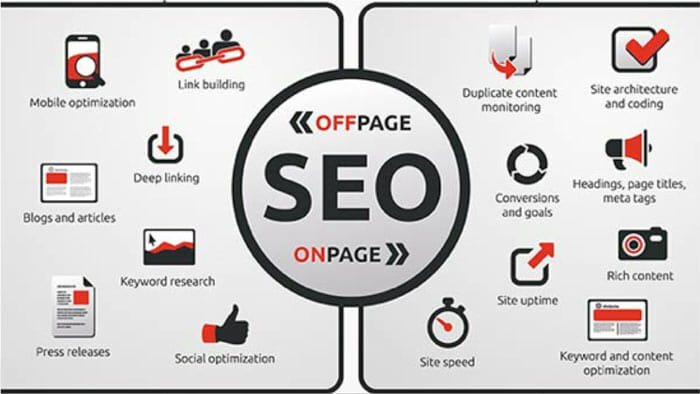
SEO Off-Page Optimisation: A Practical Guide
SEO off-page optimisation is the work carried out away from your website to improve its visibility and reputation in search results. While on-page SEO focuses on your content and website structure, off-page SEO helps search engines and potential customers understand how your site is regarded elsewhere online.
Links from other websites are an important part of off-page SEO, but they are not the whole picture. Brand mentions, digital public relations, local listings and genuine customer reviews can all contribute to your online presence. The aim is to build trust and authority through useful, credible activity—not to collect as many links as possible.
Why off-page optimisation matters
Search engines use many signals to decide which pages to show for a particular query. When reputable websites link to your content, that can help search engines discover your pages and may indicate that your information is useful. A strong reputation across relevant websites can also help people become more familiar with your brand before they visit your site.
Off-page SEO is particularly valuable in competitive markets, where several websites may publish similarly useful content. However, it works best alongside solid technical SEO and high-quality, relevant content on your own site.
Key elements of off-page SEO
Backlinks
A backlink is a link from another website to yours. The most valuable links are usually editorially earned: another publisher chooses to reference your work because it adds value for their readers. Relevance, trust and context matter more than the raw number of links.
For example, a specialist food website linking to a well-researched guide from a food producer may be more meaningful than a link from an unrelated directory. Links that appear naturally within useful content are generally more valuable to users than links placed solely to influence rankings.
Digital public relations
Digital PR involves creating stories, research or resources that journalists, publishers and industry websites may want to cover. This could include original research, expert commentary, practical guides or a thoughtful response to a relevant news story.
Focus on providing accurate information and a clear reason for people to reference your business. Coverage and links cannot be guaranteed, so treat digital PR as a way to build awareness and credibility as well as support SEO.
Brand mentions and reputation
Your brand may be discussed online even when the mention does not include a link. These references can increase awareness and help potential customers find out more about your business. Monitor mentions of your brand, respond professionally where appropriate, and make it easy for publishers to find accurate information about your organisation.
Local SEO signals
For businesses serving a particular area, accurate local information is essential. Keep your business name, address, phone number and opening hours consistent across your website and trusted directories. Maintain your business profile on relevant platforms and encourage genuine customer feedback.
Reviews are primarily valuable because they help people make informed decisions and provide feedback about the customer experience. Ask for reviews in a fair and transparent way, and respond constructively to both positive and negative comments. Do not buy reviews or offer rewards in exchange for favourable ratings.
How to build a sustainable off-page SEO strategy
- Start with useful content. Create pages that answer real questions, explain complex topics clearly or provide original information. Content is more likely to earn references when it gives publishers and readers something worthwhile to share.
- Identify relevant websites. Research publications, professional organisations and businesses that serve a similar audience. Prioritise relevance and credibility rather than chasing every available link opportunity.
- Build relationships. Contribute expertise, take part in appropriate industry discussions and offer helpful resources. Personalised, respectful outreach is more effective than sending generic requests.
- Promote your work appropriately. Share useful content with relevant contacts and communities. Avoid repetitive promotion or posting where it is not welcome.
- Review your backlink profile. Use SEO tools to understand which sites link to you and to spot unusual patterns. Investigate suspicious links, but avoid removing or disavowing links simply because a tool labels them as low quality; assess the context first.
- Measure meaningful outcomes. Track referral visits, relevant links, brand visibility, enquiries and conversions alongside search performance. Rankings can fluctuate, so assess progress over time rather than relying on a single metric.
Off-page SEO practices to avoid
Shortcuts such as buying links, joining link schemes, using automated link-building software or publishing large volumes of low-quality guest posts can put your website at risk. Search engines may ignore manipulative links or take action when a site attempts to influence rankings in ways that break their guidelines.
Be cautious of promises to deliver a set number of links or a guaranteed ranking. No third party can guarantee a particular position in search results. A sound strategy should be transparent about its methods and focused on real value for people.
Final thoughts
SEO off-page optimisation is about earning trust beyond your own website. Strong content, credible links, thoughtful digital PR, accurate local information and a positive reputation can all support a healthier online presence. Results take time, and the most sustainable approach is to build genuine relationships and provide value rather than trying to manipulate search rankings.
8 Essential Tips for Effective Off-Page SEO Optimisation
- Earn links from relevant, trusted websites.
- Create useful content others want to cite.
- Build genuine relationships with industry publishers.
- Share content through relevant social channels.
- Complete and maintain local business listings.
- Encourage honest reviews from customers.
- Monitor backlinks and disavow spammy links when appropriate.
- Use consistent business details across directories.
Earn links from relevant, trusted websites.
Earn links from relevant, trusted websites by creating useful content that others genuinely want to reference, such as original research, expert advice or practical guides. Focus on sites that serve a similar audience and have a credible reputation, rather than chasing large numbers of links from unrelated sources. Thoughtful outreach and genuine professional relationships can help your content reach the right people, while avoiding paid link schemes and other shortcuts supports a more sustainable SEO strategy.
Create useful content others want to cite.
Create useful content that others genuinely want to cite. Original research, clear how-to guides, expert insights and reliable statistics can give publishers and industry websites a good reason to reference your work. Focus on answering a real question, use credible sources and present your findings clearly. When your content is genuinely helpful and trustworthy, it is more likely to earn relevant links naturally, supporting your off-page SEO while also providing value to readers.
Build genuine relationships with industry publishers.
Building genuine relationships with industry publishers can support off-page SEO and raise your brand’s profile. Take time to understand each publication’s audience and focus, then offer relevant expertise, original research or useful content that would genuinely benefit its readers. Personalise your approach, be reliable and avoid treating every conversation as a request for a backlink. Strong professional relationships can lead to worthwhile coverage and natural links over time, while also building trust with your wider industry.
Share content through relevant social channels.
Share your content through social media channels that are relevant to your audience and industry. Choose platforms where your potential readers are active, and tailor each post to suit the channel rather than publishing the same message everywhere. Social shares do not directly guarantee higher search rankings, but they can increase visibility, attract visitors and help your content reach people who may reference or link to it. Focus on sharing useful material and taking part in genuine conversations, rather than posting solely to promote your website.
Complete and maintain local business listings.
Complete and regularly update your local business listings to help customers find accurate information about your business. Keep details such as your business name, address, phone number, website, opening hours and services consistent across trusted directories and platforms. Add clear descriptions and relevant photos where possible, and check listings periodically for outdated or duplicate information. Accurate listings can strengthen your local online presence, make it easier for people to contact you and support your wider off-page SEO efforts.
Encourage honest reviews from customers.
Encourage customers to leave honest reviews by making it easy for them to share their experiences after a purchase or service. Use a polite follow-up message with a direct link to your preferred review platform, and invite feedback without asking for a positive rating. Respond professionally to both praise and criticism, and never buy reviews or offer incentives in exchange for favourable comments. Genuine reviews can help potential customers make informed decisions, strengthen trust in your business and support your wider local SEO efforts.
Monitor backlinks and disavow spammy links when appropriate.
Monitor your backlink profile regularly to understand which websites are linking to yours and to spot unusual or potentially manipulative patterns. A large number of low-quality links does not automatically mean your site is at risk, so review each case carefully before taking action. If you find clear evidence of spammy links that you did not create and that could violate search engine guidelines, consider using Google’s disavow tool—but only when appropriate, as incorrect use may harm your site’s performance.
Use consistent business details across directories.
Keep your business name, address, phone number and other key details consistent across online directories and listings. Accurate, matching information helps customers find and contact you, while reducing confusion about which details are correct. Review your listings regularly and update them promptly if anything changes, such as your address, opening hours or phone number.