
Enhancing SEO Strategies with Google Analytics Tools
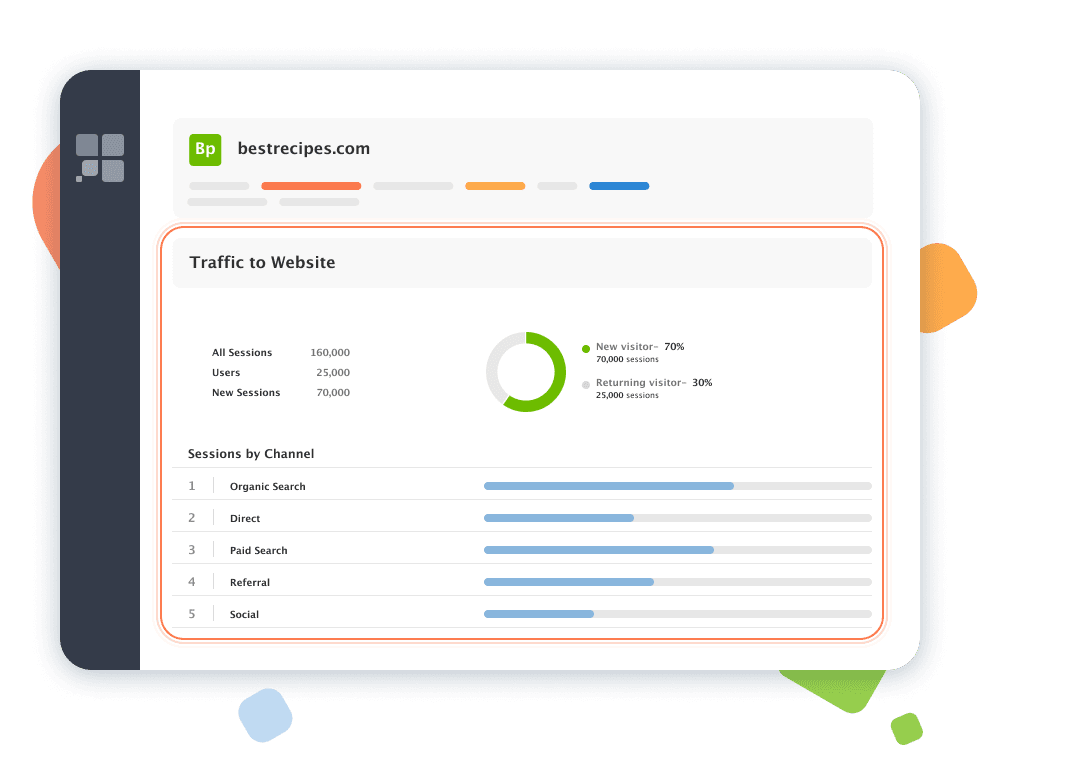
Google Analytics Tools for SEO
Google Analytics is a powerful tool that provides valuable insights into website performance, user behavior, and traffic sources. When used effectively for SEO (Search Engine Optimization) purposes, Google Analytics can help you make data-driven decisions to improve your website’s visibility and ranking in search engine results.
Key Google Analytics Tools for SEO:
- Organic Search Traffic Analysis: By tracking organic search traffic data in Google Analytics, you can identify which keywords are driving the most traffic to your site. This information helps you understand user intent and optimize your content accordingly.
- Page Performance Metrics: Google Analytics provides data on page views, bounce rates, average session duration, and more. By analysing these metrics, you can identify high-performing pages that attract and retain visitors, as well as pages that may need improvement.
- Conversion Tracking: Setting up goals and conversion tracking in Google Analytics allows you to measure the effectiveness of your SEO efforts in terms of lead generation, sales, or other desired actions on your website.
- Mobile Performance Analysis: With the rise of mobile usage, it’s crucial to track how mobile users interact with your site. Google Analytics offers insights into mobile traffic trends, bounce rates on mobile devices, and more.
- Social Media Traffic Analysis: Understanding how social media channels drive traffic to your site is essential for SEO. Google Analytics helps you track social media referrals and engagement metrics to refine your social media strategy.
Benefits of Using Google Analytics for SEO:
Utilising Google Analytics tools for SEO offers several benefits:
- Data-Driven Decision Making: By analysing real-time data on user behaviour and website performance, you can make informed decisions to enhance your SEO strategy.
- Performance Tracking: Monitoring key metrics allows you to track the impact of your SEO efforts over time and adjust strategies as needed.
- User Experience Improvement: Understanding how users interact with your site helps you optimise the user experience and increase engagement.
- Campaign Evaluation: Google Analytics enables you to evaluate the success of marketing campaigns by tracking traffic sources and conversions.
In Conclusion
Incorporating Google Analytics tools into your SEO strategy is essential for achieving long-term success online. By leveraging the insights provided by this powerful platform, you can optimise your website for search engines, attract more organic traffic, and ultimately improve your online visibility and conversion rates.
Top 7 Advantages of Google Analytics Tools for Enhancing SEO Strategies
- 1. Detailed insights into website traffic sources and user behaviour.
- 2. Helps in identifying high-performing keywords for SEO optimization.
- 3. Tracks conversion rates to measure the effectiveness of SEO strategies.
- 4. Provides data on mobile traffic trends for mobile SEO improvement.
- 5. Enables tracking of social media referrals for refining social media strategy.
- 6. Real-time monitoring of website performance metrics for quick adjustments.
- 7. Facilitates data-driven decision-making to enhance overall SEO efforts.
Navigating the Drawbacks of Google Analytics: Complexity, Data Overload, Privacy Concerns, and Implementation Challenges
1. Detailed insights into website traffic sources and user behaviour.
Google Analytics tools for SEO offer detailed insights into website traffic sources and user behaviour, providing invaluable information for website owners and digital marketers. By analysing data on where website visitors come from, how they navigate through the site, and what actions they take, businesses can gain a deep understanding of their audience’s preferences and behaviours. This knowledge allows for targeted improvements to the website content, user experience, and marketing strategies to better engage users and drive conversions.
2. Helps in identifying high-performing keywords for SEO optimization.
Google Analytics tools play a crucial role in assisting website owners and digital marketers in identifying high-performing keywords for SEO optimization. By analysing organic search traffic data, Google Analytics provides valuable insights into which keywords are driving the most traffic to a website. This information is instrumental in understanding user intent and behaviour, enabling users to tailor their content and SEO strategies to target relevant keywords effectively. Identifying and focusing on high-performing keywords can significantly enhance a website’s visibility, attract more organic traffic, and ultimately improve its search engine ranking.
3. Tracks conversion rates to measure the effectiveness of SEO strategies.
Google Analytics tools for SEO offer the valuable advantage of tracking conversion rates to measure the effectiveness of SEO strategies. By monitoring and analysing conversion rates, website owners and digital marketers can gain insights into how well their SEO efforts are driving desired actions, such as lead generation, sales, or other conversions. This data-driven approach allows them to evaluate the impact of their SEO strategies accurately and make informed decisions to optimise their campaigns for better results.
4. Provides data on mobile traffic trends for mobile SEO improvement.
Google Analytics provides valuable data on mobile traffic trends, enabling website owners to gain insights into how users interact with their site on mobile devices. This information is crucial for improving mobile SEO strategies, as it allows for the identification of mobile-specific trends, user behaviours, and performance metrics. By analysing these data points, website owners can make informed decisions to enhance the mobile user experience, optimize their site for mobile search engines, and ultimately drive more traffic and engagement from mobile users.
5. Enables tracking of social media referrals for refining social media strategy.
Google Analytics tools for SEO offer the valuable advantage of enabling the tracking of social media referrals, allowing website owners to gain insights into how different social media channels drive traffic to their site. By analysing social media referral data, businesses can refine their social media strategy by identifying which platforms are most effective in driving engagement and conversions. This information empowers website owners to focus their efforts on the channels that yield the best results, ultimately enhancing their overall digital marketing strategy.
6. Real-time monitoring of website performance metrics for quick adjustments.
One significant advantage of using Google Analytics tools for SEO is the ability to perform real-time monitoring of website performance metrics. This feature allows website owners to track key indicators such as traffic volume, user engagement, and conversion rates instantly. By having access to up-to-date data, businesses can make quick adjustments to their SEO strategies, content, or marketing campaigns to capitalise on emerging opportunities or address any issues promptly. Real-time monitoring empowers website owners to stay agile and responsive in the dynamic online landscape, ultimately leading to more effective and efficient SEO efforts.
7. Facilitates data-driven decision-making to enhance overall SEO efforts.
Google Analytics tools for SEO play a crucial role in facilitating data-driven decision-making to enhance overall SEO efforts. By providing detailed insights into website performance, user behaviour, and traffic sources, Google Analytics empowers website owners and digital marketers to make informed decisions based on real-time data analysis. This capability enables them to identify trends, measure the effectiveness of SEO strategies, and implement targeted improvements to optimise their websites for search engines. Ultimately, leveraging Google Analytics tools leads to more strategic and impactful SEO campaigns that drive organic traffic and improve online visibility.
Complexity
Navigating the intricacies of Google Analytics for SEO can pose a significant challenge for newcomers, primarily due to its complexity. The abundance of features and vast array of data sets within Google Analytics can be overwhelming, demanding a considerable amount of time and effort to grasp fully. Beginners may find themselves daunted by the learning curve required to effectively utilise all the tools and information available, hindering their ability to harness the platform’s potential for optimising SEO strategies.
Data Overload
The con of using Google Analytics tools for SEO lies in the potential for data overload. The abundance of information provided by Google Analytics can overwhelm users and hinder their ability to extract valuable insights without thorough analysis. Sorting through vast amounts of data without a clear strategy can be time-consuming and may result in difficulty in identifying actionable steps to improve SEO performance. Properly managing and interpreting the data is essential to avoid getting lost in the sea of information and ensure that meaningful insights are derived to drive effective SEO strategies.
Privacy Concerns
Privacy concerns are a significant con associated with using Google Analytics tools for SEO. Some users may feel uneasy about the collection and storage of their data by Google Analytics, particularly in light of evolving data protection regulations. The potential for sensitive information to be gathered and analysed raises questions about user privacy and data security, leading to apprehension among individuals who value their online privacy. It is essential for website owners and marketers to address these concerns transparently and ensure compliance with relevant data protection laws to maintain trust and respect users’ privacy rights.
Implementation Challenges
Implementing Google Analytics tools for SEO can present a significant challenge in terms of integration. Setting up Google Analytics on a website may prove to be technically complex, often necessitating specialised knowledge or support from developers to ensure proper configuration. The intricacies involved in the integration process can pose hurdles for those without the requisite expertise, potentially leading to suboptimal implementation and limited access to crucial data insights for effective SEO strategies.