
Enhancing Your Website’s Performance Through Effective Site Optimisation
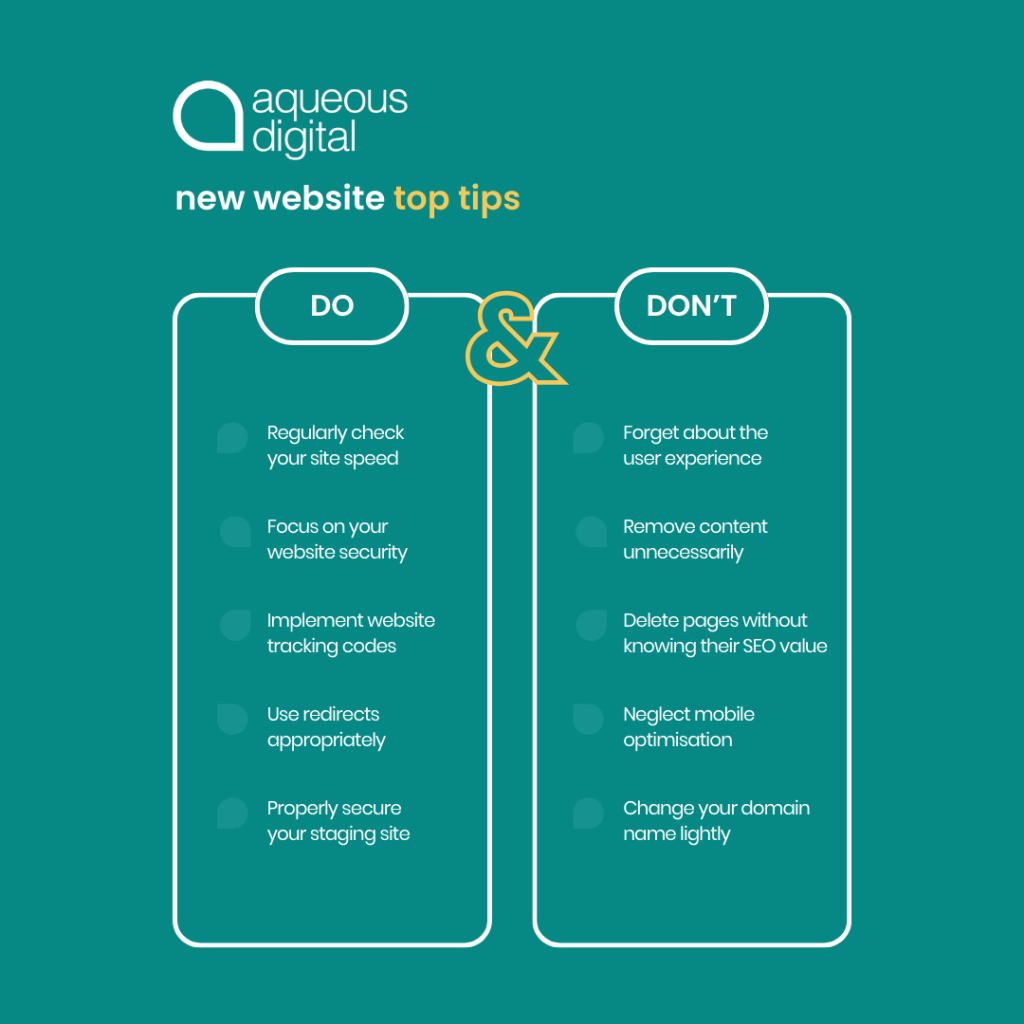
Site Optimisation: Enhancing Your Website for Success
In today’s digital age, having a strong online presence is crucial for businesses and individuals alike. One key aspect of establishing and maintaining a successful online presence is site optimisation. Site optimisation involves making strategic improvements to your website to enhance its performance, user experience, and search engine visibility.
Why is Site Optimisation Important?
Optimising your website offers numerous benefits, including:
- Improved user experience: A well-optimised site provides visitors with a seamless browsing experience, leading to higher engagement and conversions.
- Increased visibility: By implementing SEO best practices, you can improve your website’s ranking on search engine results pages, making it easier for potential customers to find you.
- Faster loading times: Optimising images, code, and server configurations can significantly reduce load times, enhancing user satisfaction and reducing bounce rates.
- Mobile responsiveness: With the growing number of mobile users, ensuring that your site is mobile-friendly is essential for reaching a wider audience.
- Better conversion rates: By streamlining the navigation and design of your site, you can encourage visitors to take desired actions, such as making a purchase or signing up for a newsletter.
Key Strategies for Site Optimisation
When it comes to optimising your website, there are several key strategies to consider:
- Keyword research: Identify relevant keywords that align with your business goals and target audience to improve your site’s visibility in search results.
- Content quality: Create high-quality, engaging content that provides value to users and encourages them to explore further.
- Meta tags optimisation: Craft compelling meta titles and descriptions that accurately reflect the content of each page and entice users to click through.
- Image optimisation: Compress images without compromising quality to reduce load times and enhance visual appeal.
- User-friendly navigation: Ensure easy navigation throughout your site by organising content logically and implementing clear calls-to-action.
- Mobile optimisation: Design responsive layouts that adapt seamlessly to various screen sizes and devices for an optimal user experience on mobile devices.
In Conclusion
Site optimisation plays a crucial role in enhancing the performance and success of your website. By implementing effective strategies such as keyword research, content quality improvement, meta tags optimisation, image compression, user-friendly navigation design, and mobile responsiveness, you can create a more engaging user experience, improve search engine visibility, and ultimately drive better results for your online presence. Invest time and effort into optimising your site today to reap the long-term benefits it offers!
Top 5 Tips for Enhancing Your Website’s Performance and SEO
- Ensure your website is mobile-friendly for better user experience and SEO rankings.
- Optimize your images by compressing them without compromising quality to improve site speed.
- Use descriptive meta tags and relevant keywords to enhance search engine visibility.
- Regularly update and maintain your website to keep content fresh and encourage return visits.
- Monitor site performance using tools like Google Analytics to track metrics and make informed decisions.
Ensure your website is mobile-friendly for better user experience and SEO rankings.
Ensuring that your website is mobile-friendly is a crucial aspect of site optimisation that can significantly enhance user experience and improve SEO rankings. With the increasing number of users accessing websites on mobile devices, having a responsive design that adapts seamlessly to different screen sizes is essential for engaging visitors and encouraging longer browsing sessions. Search engines also prioritise mobile-friendly sites in their rankings, making it imperative to invest in mobile optimisation to boost your online visibility and attract more organic traffic. By prioritising mobile responsiveness, you not only cater to the needs of your audience but also set a strong foundation for achieving better results in search engine results pages.
Optimize your images by compressing them without compromising quality to improve site speed.
Optimising your images by compressing them without compromising quality is a crucial tip for site optimisation. By reducing the file size of images through compression techniques, you can significantly improve your site’s loading speed. Faster loading times not only enhance user experience but also contribute to better search engine rankings. Ensuring that your images are optimised for the web allows you to maintain visual appeal while enhancing site performance, ultimately leading to a more efficient and engaging website for your visitors.
Use descriptive meta tags and relevant keywords to enhance search engine visibility.
To enhance search engine visibility and improve the chances of your website being discovered by potential visitors, it is essential to utilise descriptive meta tags and incorporate relevant keywords strategically. By crafting compelling meta titles and descriptions that accurately reflect the content of your web pages and incorporating targeted keywords that align with your business goals, you can increase the likelihood of search engines ranking your site higher in search results. This practice not only enhances the user experience by providing clear and informative snippets but also signals to search engines the relevance of your content, ultimately boosting your site’s visibility and attracting more organic traffic.
Regularly update and maintain your website to keep content fresh and encourage return visits.
Regularly updating and maintaining your website is a crucial tip for site optimisation. By keeping your content fresh and relevant, you not only provide value to your visitors but also signal to search engines that your site is active and engaging. This practice can help improve your search engine rankings and encourage return visits from users who are interested in seeing new updates or information. Consistent updates demonstrate your commitment to providing up-to-date content, which can enhance user trust and loyalty towards your website.
Monitor site performance using tools like Google Analytics to track metrics and make informed decisions.
Monitoring site performance using tools like Google Analytics is a crucial tip for effective site optimisation. By tracking metrics such as website traffic, user behaviour, conversion rates, and more, you can gain valuable insights into how your site is performing and where improvements can be made. This data-driven approach allows you to make informed decisions to enhance user experience, boost engagement, and ultimately achieve your online goals more effectively.