
Unlocking SEO Success with the SEO Book Keyword Density Tool
The Importance of SEO Book Keyword Density Tool
Search Engine Optimization (SEO) is crucial for any website looking to improve its visibility and ranking on search engine results pages. One essential aspect of SEO is keyword optimization, which involves strategically using relevant keywords throughout your content. This is where the SEO Book Keyword Density Tool comes into play.
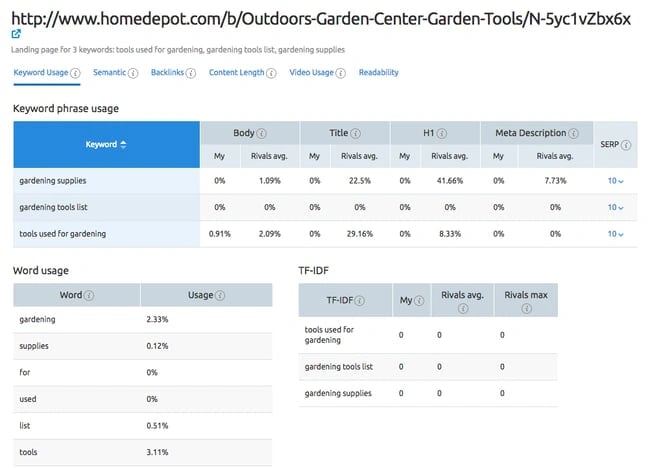
The SEO Book Keyword Density Tool is a valuable resource that helps website owners and digital marketers analyse the keyword density of their content. By simply entering the URL or text into the tool, users can quickly determine the frequency of specific keywords and phrases within their content.
Why is keyword density important? Maintaining an optimal keyword density can help improve a webpage’s relevance to search engines, making it more likely to rank higher in search results for those particular keywords. However, overusing keywords can lead to keyword stuffing, which can harm your site’s SEO performance.
With the SEO Book Keyword Density Tool, users can easily identify if they are using their target keywords effectively or if adjustments are needed to achieve the right balance. By providing insights into keyword usage, density, and prominence, this tool empowers users to make informed decisions when optimising their content for search engines.
In addition to analysing keyword density, the SEO Book Keyword Density Tool may also offer suggestions for improving keyword placement and distribution within the content. This feature can be invaluable for fine-tuning your SEO strategy and enhancing your website’s visibility online.
Overall, the SEO Book Keyword Density Tool is a valuable asset for anyone looking to enhance their website’s SEO performance through effective keyword optimisation. By leveraging this tool’s insights and recommendations, you can take significant steps towards improving your site’s search engine rankings and attracting more organic traffic.
Whether you are a seasoned SEO professional or just starting with search engine optimisation, incorporating the SEO Book Keyword Density Tool into your toolkit can help you achieve better results and stay ahead in the competitive online landscape.
Top 5 Tips for Optimising SEO Book Keyword Density Effectively
- Focus on using relevant keywords that are related to the content of your book.
- Avoid overstuffing keywords in your book as it can negatively impact the readability and user experience.
- Use variations of keywords to make your content more natural and engaging for readers.
- Regularly monitor and adjust keyword density based on analytics and performance data.
- Remember that high-quality, valuable content is key – prioritize quality over keyword density.
Focus on using relevant keywords that are related to the content of your book.
When utilising the SEO Book Keyword Density Tool, it is crucial to focus on incorporating relevant keywords that are directly related to the content of your book. By prioritising the use of keywords that accurately reflect the subject matter and themes of your book, you can enhance its search engine visibility and attract a more targeted audience. Ensuring that your chosen keywords align closely with the essence of your book not only improves its keyword density but also helps search engines better understand and categorise your content, ultimately leading to improved organic search rankings and increased discoverability among potential readers.
Avoid overstuffing keywords in your book as it can negatively impact the readability and user experience.
It is essential to avoid overstuffing keywords in your content when using the SEO Book Keyword Density Tool, as this practice can have a detrimental impact on readability and user experience. Overloading your text with keywords may make it appear unnatural and spammy, potentially turning off readers and causing search engines to penalise your website. Instead, focus on incorporating keywords organically and strategically throughout your content to maintain a balance that enhances both SEO performance and user engagement. By using the SEO Book Keyword Density Tool wisely and avoiding keyword overuse, you can create high-quality, user-friendly content that resonates with both search engines and human readers.
Use variations of keywords to make your content more natural and engaging for readers.
When utilising the SEO Book Keyword Density Tool, it is advisable to incorporate variations of keywords within your content to enhance its natural flow and engage readers effectively. By diversifying the use of keywords and incorporating synonyms or related terms, you can create content that is not only optimised for search engines but also appealing and informative for your audience. This approach not only improves the readability of your content but also helps in maintaining a balance between SEO requirements and user experience, ultimately contributing to a more successful online presence.
Regularly monitor and adjust keyword density based on analytics and performance data.
To maximise the effectiveness of the SEO Book Keyword Density Tool, it is essential to adopt a proactive approach by regularly monitoring and adjusting keyword density based on analytics and performance data. By analysing the results provided by the tool and tracking how different keyword densities impact search engine rankings and organic traffic, website owners and digital marketers can make informed decisions to optimise their content effectively. This iterative process of monitoring and adjusting keyword density ensures that the content remains relevant, engaging, and well-optimised for search engines, ultimately contributing to improved SEO performance and increased visibility online.
Remember that high-quality, valuable content is key – prioritize quality over keyword density.
When utilising the SEO Book Keyword Density Tool, it is essential to remember that high-quality, valuable content plays a pivotal role in SEO success. While analysing keyword density is important, it is equally crucial to prioritise the creation of quality content that resonates with your audience. By focusing on delivering valuable information and engaging material, you not only enhance user experience but also build credibility with search engines. Therefore, always strive to maintain a balance between keyword optimisation and content quality, ensuring that your content remains informative, relevant, and engaging for your target audience.