
Unlock the Power of Your Website with an SEO Header Tool
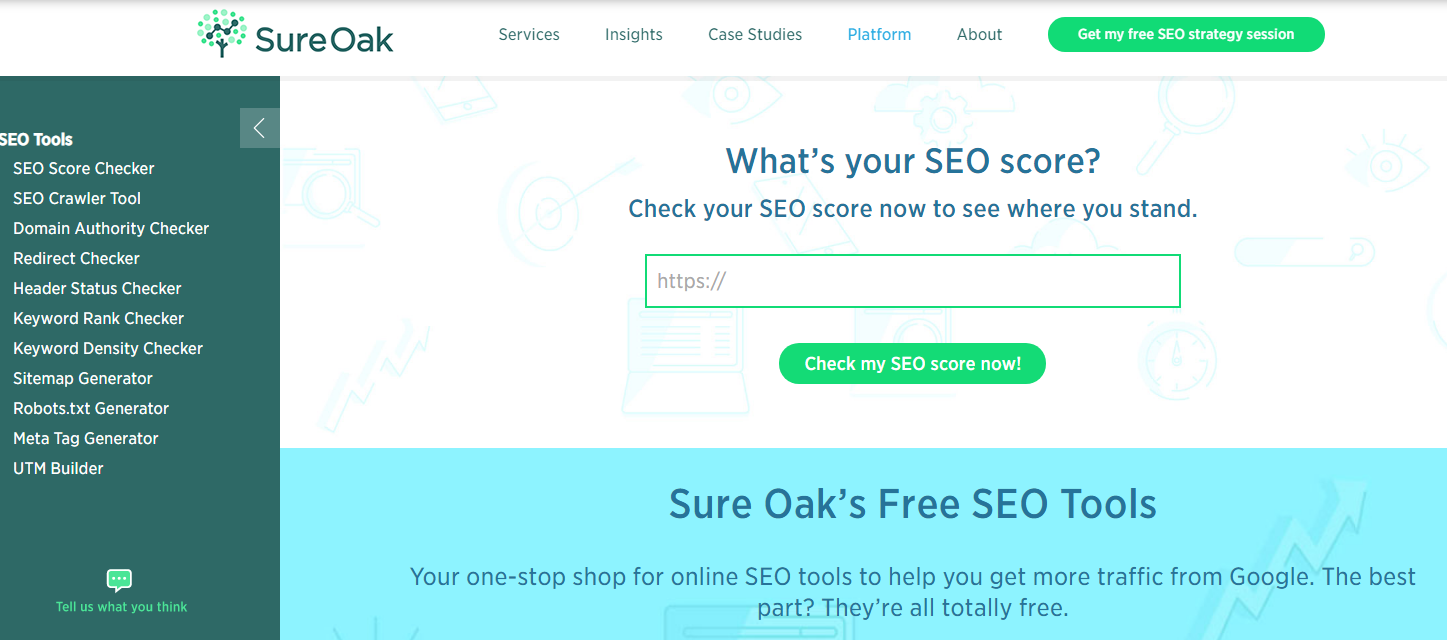
The Importance of Using an SEO Header Tool for Your Website
When it comes to search engine optimization (SEO), one of the key elements that can significantly impact your website’s ranking is the proper use of headers. Headers, also known as heading tags, play a crucial role in structuring your content and signalling its importance to search engines.
An SEO header tool is a valuable resource that can help you optimise your headers effectively. These tools allow you to analyse and improve the structure of your headers, ensuring they are correctly formatted and contain relevant keywords that align with your content.
Benefits of Using an SEO Header Tool:
- Improved Readability: Properly structured headers make your content easier to read and understand for both users and search engines.
- Enhanced SEO Performance: By optimising your headers with relevant keywords, you can improve your website’s visibility in search engine results pages.
- Better User Experience: Clear and organised headers enhance user experience by guiding visitors through your content smoothly.
- Increased Click-Through Rates: Well-crafted headers can attract users’ attention and encourage them to click on your links.
In conclusion, using an SEO header tool is essential for maximising the impact of your website’s headers on both SEO performance and user experience. By leveraging these tools, you can ensure that your headers are optimised effectively to boost your website’s visibility and engagement.
Top 5 Tips for Optimising Header Tags to Boost SEO Performance
- Use relevant keywords in your header tags to improve SEO.
- Ensure your header tags are structured hierarchically (H1, H2, H3, etc.) for better organisation and SEO performance.
- Keep your header tags concise and descriptive to enhance user experience and search engine visibility.
- Avoid using generic headers; be specific and unique to stand out in search results.
- Regularly review and update your header tags to stay current with SEO best practices and trends.
Use relevant keywords in your header tags to improve SEO.
Using relevant keywords in your header tags is a crucial tip to enhance your SEO strategy. By incorporating targeted keywords into your headers, you signal to search engines the main topics and themes of your content, helping them understand the context of your webpage. This practice not only improves the visibility of your website in search results but also increases the likelihood of attracting organic traffic from users actively searching for information related to those keywords. Therefore, utilising relevant keywords in your header tags is a simple yet effective way to optimise your content for better search engine rankings and overall online presence.
Ensure your header tags are structured hierarchically (H1, H2, H3, etc.) for better organisation and SEO performance.
To optimise your website’s SEO performance, it is crucial to ensure that your header tags are structured hierarchically, following the correct order such as H1, H2, H3, and so on. This hierarchical structure not only helps in organising your content effectively but also plays a significant role in improving your website’s search engine visibility. Search engines use header tags to understand the hierarchy and relevance of your content, so by structuring your headers correctly, you can enhance both the organisation of your website and its SEO performance.
Keep your header tags concise and descriptive to enhance user experience and search engine visibility.
To enhance user experience and improve search engine visibility, it is crucial to keep your header tags concise and descriptive. By crafting headers that are clear and to the point, you not only make it easier for users to navigate your content but also help search engines understand the relevance of your page. Concise and descriptive header tags can attract users’ attention, guide them through your content effectively, and increase the likelihood of your website ranking higher in search results. Remember, when it comes to SEO header tools, precision and relevance are key to achieving optimal results for both users and search engines.
Avoid using generic headers; be specific and unique to stand out in search results.
To enhance your website’s SEO performance, it is crucial to avoid using generic headers and instead opt for specific and unique headings. By crafting headers that are tailored to your content and include relevant keywords, you can stand out in search results and attract the attention of both search engines and users. Specific and unique headers not only improve your website’s visibility but also help establish a clear and distinct identity for your content, contributing to a more effective SEO strategy overall.
Regularly review and update your header tags to stay current with SEO best practices and trends.
To maintain a strong online presence and improve search engine visibility, it is crucial to regularly review and update your header tags in line with current SEO best practices and trends. By staying proactive in managing your header tags, you can ensure that your website’s content remains optimised for search engines, helping to boost rankings and attract more organic traffic. Keeping up-to-date with SEO trends allows you to adapt your header tags to align with the latest algorithms and user search behaviours, ultimately enhancing the overall performance of your website in the competitive digital landscape.