
Unlock Your SEO Potential with Google Keyword Checker
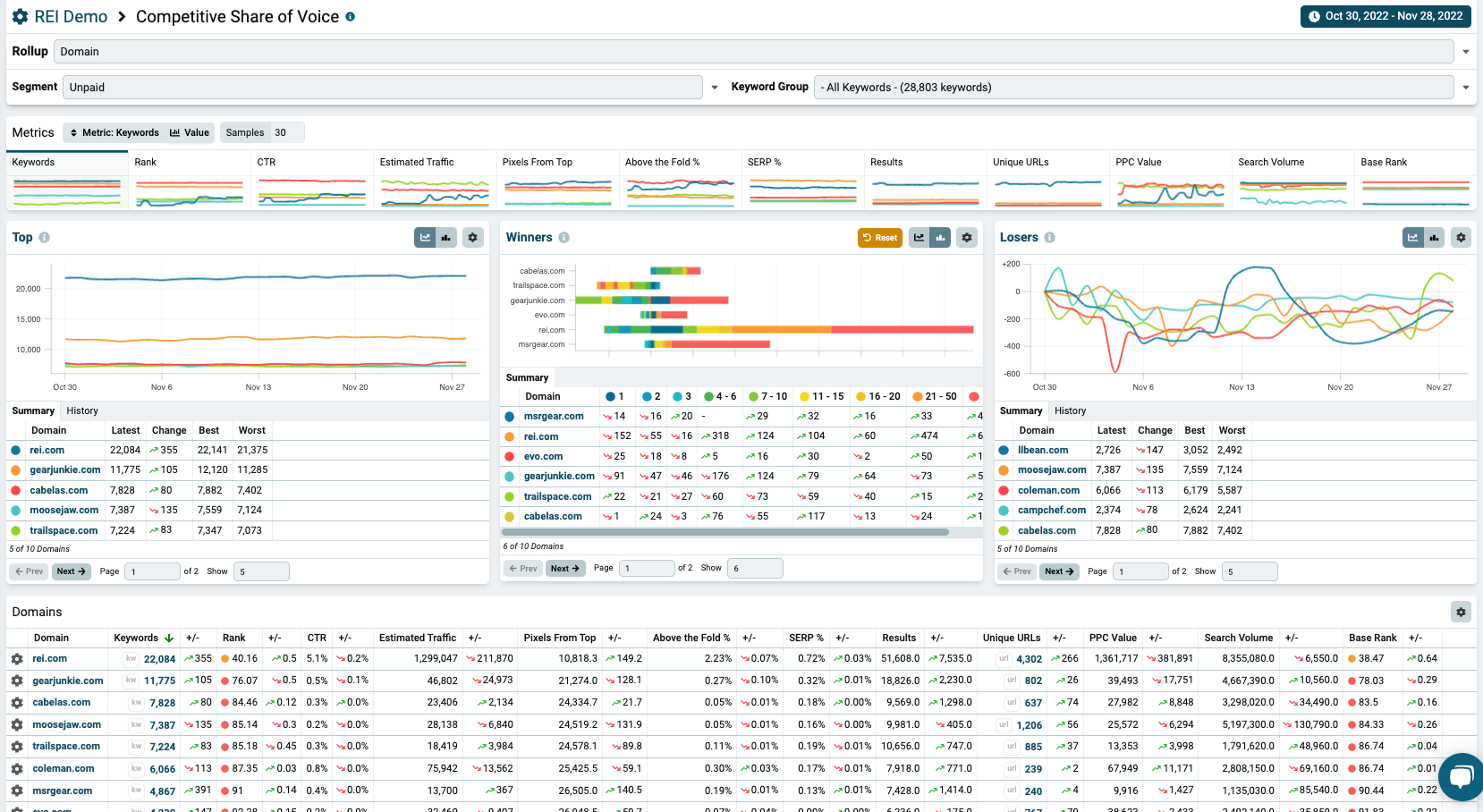
The Ultimate Guide to Google Keyword Checker
Google Keyword Checker is a powerful tool that helps digital marketers, SEO specialists, and website owners identify the most relevant keywords for their content. Keywords play a crucial role in improving a website’s search engine ranking and driving organic traffic.
How Does Google Keyword Checker Work?
Google Keyword Checker allows users to enter a specific keyword or key phrase and receive valuable insights into its search volume, competition level, and potential performance. By analysing this data, users can determine which keywords are worth targeting in their content strategy.
Benefits of Using Google Keyword Checker
- Keyword Research: Identify high-volume keywords related to your niche.
- Competitor Analysis: Analyse your competitors’ keyword strategies and discover new opportunities.
- Content Optimization: Tailor your content to target specific keywords for better search engine visibility.
- PPC Campaigns: Choose the right keywords for your pay-per-click advertising campaigns.
Tips for Using Google Keyword Checker Effectively
- Diversify Your Keywords: Target a mix of short-tail and long-tail keywords to reach a wider audience.
- Monitor Trends: Stay updated on keyword trends and adjust your strategy accordingly.
- Analyse Results: Regularly review the performance of your chosen keywords and make adjustments as needed.
In Conclusion
Google Keyword Checker is an essential tool for anyone looking to improve their website’s search engine visibility and attract more organic traffic. By leveraging the power of keyword research, you can create targeted content that resonates with your audience and drives tangible results for your online presence.
Mastering Google Keyword Checker: 8 Essential Tips for Effective Keyword Strategy
- Use Google Keyword Planner to research keywords for your website or ads.
- Focus on long-tail keywords that are specific to your niche or industry.
- Analyse keyword search volume and competition to find the right keywords for your goals.
- Consider using negative keywords to filter out irrelevant traffic to your site.
- Regularly review and update your keyword strategy based on performance data.
- Experiment with different keyword variations to see what works best for your campaigns.
- Utilise keyword grouping and organisation to keep your campaigns structured and targeted.
- Take advantage of Google Keyword Planner’s features like forecasting tools and historical data.
Use Google Keyword Planner to research keywords for your website or ads.
Utilise Google Keyword Planner to conduct thorough keyword research for your website or advertising campaigns. Google Keyword Planner provides valuable insights into search volumes, competition levels, and potential performance of keywords, enabling you to make informed decisions on which keywords to target. By leveraging this tool effectively, you can enhance your SEO strategy, improve the visibility of your website, and increase the effectiveness of your online advertising efforts.
Focus on long-tail keywords that are specific to your niche or industry.
When using Google Keyword Checker, it is advisable to focus on long-tail keywords that are specific to your niche or industry. Long-tail keywords typically have lower search volumes but higher conversion rates, as they target a more specific audience looking for particular products or services. By incorporating these niche-specific long-tail keywords into your content strategy, you can attract highly relevant traffic to your website and improve your chances of ranking higher in search engine results pages.
Analyse keyword search volume and competition to find the right keywords for your goals.
By analysing keyword search volume and competition using Google Keyword Checker, you can effectively identify the most suitable keywords to achieve your goals. Understanding the search volume helps determine the popularity and potential reach of a keyword, while assessing the competition level allows you to gauge the difficulty of ranking for that keyword. By finding the right balance between search volume and competition, you can strategically select keywords that are relevant to your content and have the potential to drive organic traffic to your website, ultimately contributing to your overall SEO success.
Consider using negative keywords to filter out irrelevant traffic to your site.
Consider using negative keywords when utilising Google Keyword Checker to filter out irrelevant traffic to your site. Negative keywords allow you to specify terms for which you do not want your ads to appear, ensuring that your content is targeted towards the most relevant audience. By strategically incorporating negative keywords into your keyword strategy, you can improve the quality of traffic to your site and enhance the effectiveness of your SEO efforts.
Regularly review and update your keyword strategy based on performance data.
Regularly reviewing and updating your keyword strategy based on performance data is essential for maintaining a successful online presence. By analysing the performance of your chosen keywords through tools like Google Keyword Checker, you can identify which keywords are driving traffic, generating leads, and ultimately contributing to your website’s success. This data-driven approach allows you to make informed decisions about which keywords to focus on, adjust your content strategy accordingly, and stay ahead of the competition in the ever-evolving landscape of search engine optimisation.
Experiment with different keyword variations to see what works best for your campaigns.
Experimenting with different keyword variations is a valuable tip when using Google Keyword Checker. By testing various keywords and analysing their performance, you can identify the most effective ones for your campaigns. This approach allows you to refine your keyword strategy, target specific audiences more effectively, and ultimately improve the overall success of your SEO and marketing efforts. Regular experimentation and adaptation based on the results obtained from Google Keyword Checker can lead to better visibility, higher click-through rates, and increased conversions for your online content.
Utilise keyword grouping and organisation to keep your campaigns structured and targeted.
Utilising keyword grouping and organisation is a crucial strategy when using Google Keyword Checker to maintain a structured and targeted campaign. By categorising related keywords into groups, you can create more focused and relevant ad campaigns that resonate with your target audience. This approach not only helps in better organising your keywords but also allows for more effective ad targeting, leading to improved click-through rates and overall campaign performance.
Take advantage of Google Keyword Planner’s features like forecasting tools and historical data.
To maximise the effectiveness of your keyword research strategy using Google Keyword Checker, it is crucial to leverage the advanced features offered by Google Keyword Planner. By utilising tools such as forecasting tools and historical data analysis, you can gain valuable insights into keyword trends, search volume fluctuations over time, and predict future performance. This data-driven approach enables you to make informed decisions when selecting keywords for your content strategy, ultimately enhancing your website’s search engine visibility and driving targeted organic traffic.