
Unlocking SEO Success: The Power of a Web Page Keywords Analyzer
The Importance of Using a Web Page Keywords Analyzer
In the world of digital marketing and search engine optimization (SEO), keywords play a crucial role in determining the visibility and ranking of a website on search engine results pages. Choosing the right keywords and strategically incorporating them into your web pages can significantly impact your online presence.
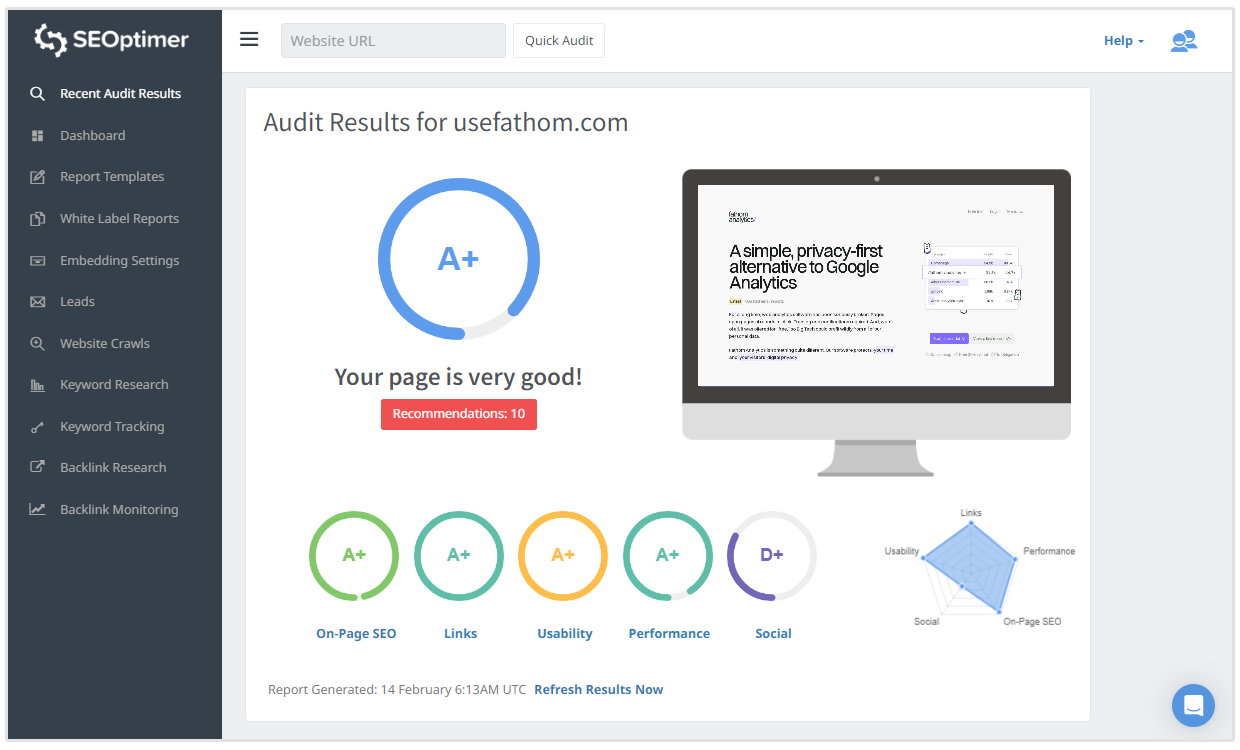
A web page keywords analyzer is a valuable tool that helps website owners and SEO professionals analyse the keywords used on their web pages. By using a keywords analyzer, you can gain insights into the relevance, density, and placement of keywords within your content.
Benefits of Using a Web Page Keywords Analyzer:
- Optimising Content: A keywords analyzer allows you to identify which keywords are most effective for your target audience. By analysing keyword density and distribution, you can optimise your content for better search engine visibility.
- Competitor Analysis: With a keywords analyzer, you can also analyse the keyword strategies of your competitors. This information can help you identify gaps in your own keyword strategy and make necessary adjustments to stay ahead in the competitive online landscape.
- Improving SEO Performance: By regularly analysing and refining your keyword usage with a web page keywords analyzer, you can improve your website’s SEO performance over time. This can lead to higher rankings on search engine results pages and increased organic traffic to your site.
Overall, using a web page keywords analyzer is essential for any website looking to enhance its online visibility, attract more visitors, and achieve better search engine rankings. By leveraging the insights provided by a keywords analyzer, you can develop an effective keyword strategy that aligns with your business goals and drives success in the competitive digital landscape.
7 Essential Tips for Effective Web Page Keyword Analysis
- Choose relevant keywords related to your web page content.
- Use a mix of short-tail and long-tail keywords for better coverage.
- Avoid keyword stuffing, aim for natural placement within the content.
- Regularly update and refresh your list of keywords based on performance data.
- Consider using tools like Google Keyword Planner or SEMrush for keyword research.
- Analyse competitor keywords to identify gaps and opportunities.
- Monitor keyword rankings and adjust your strategy accordingly.
Choose relevant keywords related to your web page content.
When using a web page keywords analyzer, it is crucial to choose relevant keywords that are directly related to your web page content. Selecting keywords that accurately reflect the topic and focus of your content will not only improve the search engine visibility of your website but also attract the right audience to your site. By ensuring that your chosen keywords align closely with your web page content, you can enhance the overall user experience and increase the likelihood of engaging with visitors who are genuinely interested in what you have to offer.
Use a mix of short-tail and long-tail keywords for better coverage.
When utilising a web page keywords analyzer, it is advisable to incorporate a blend of short-tail and long-tail keywords to enhance search engine coverage. Short-tail keywords are concise and commonly searched terms that can attract a broad audience, while long-tail keywords are more specific phrases that target niche audiences. By combining both types of keywords effectively, website owners can broaden their reach to diverse user segments and improve the overall visibility and relevance of their content in search engine results pages.
Avoid keyword stuffing, aim for natural placement within the content.
When using a web page keywords analyzer, it is crucial to avoid keyword stuffing and instead focus on achieving natural placement within the content. Keyword stuffing, which involves excessively and unnaturally inserting keywords into the content, can harm the user experience and lead to penalties from search engines. By aiming for a more natural placement of keywords within the content, you can maintain readability and relevance while still effectively optimising your web pages for search engines. This approach not only enhances the overall quality of your content but also improves your chances of ranking higher in search engine results pages.
Regularly update and refresh your list of keywords based on performance data.
To maximise the effectiveness of your web page keywords analyzer, it is crucial to regularly update and refresh your list of keywords based on performance data. By analysing the data provided by the keywords analyzer, you can identify which keywords are driving traffic to your website and which ones may need adjustment. Updating your keyword list allows you to stay relevant to search engine algorithms and user search trends, ultimately improving your website’s visibility and search engine rankings. Consistent monitoring and refinement of your keyword strategy based on performance data is key to staying competitive in the ever-evolving digital landscape.
Consider using tools like Google Keyword Planner or SEMrush for keyword research.
When utilising a web page keywords analyzer, it is advisable to consider incorporating tools such as Google Keyword Planner or SEMrush for comprehensive keyword research. These tools offer valuable insights into popular search queries, competition levels, and keyword trends, enabling users to make informed decisions when selecting and implementing keywords on their web pages. By leveraging the data provided by these reputable platforms, website owners and SEO professionals can enhance their keyword strategy, improve search engine visibility, and ultimately drive more organic traffic to their websites.
Analyse competitor keywords to identify gaps and opportunities.
By utilising a web page keywords analyzer to analyse competitor keywords, you can effectively identify gaps and opportunities in your own keyword strategy. Understanding the keywords that your competitors are targeting can provide valuable insights into areas where you may be falling short or where you can differentiate yourself. By leveraging this information, you can refine your keyword selection process, enhance your content strategy, and ultimately improve your website’s search engine visibility and performance in the competitive online landscape.
Monitor keyword rankings and adjust your strategy accordingly.
Monitoring keyword rankings and adjusting your strategy accordingly is a crucial tip when using a web page keywords analyzer. By regularly tracking the performance of your chosen keywords and observing how they rank on search engine results pages, you can gain valuable insights into the effectiveness of your SEO efforts. If certain keywords are not performing as expected, you can use this information to refine your strategy, identify new keyword opportunities, and make necessary adjustments to improve your website’s visibility and search engine rankings. Adapting your keyword strategy based on real-time data analysis is key to staying competitive in the ever-evolving digital landscape.