
Unlocking Success: The Power of Site Keyword Analysis in SEO
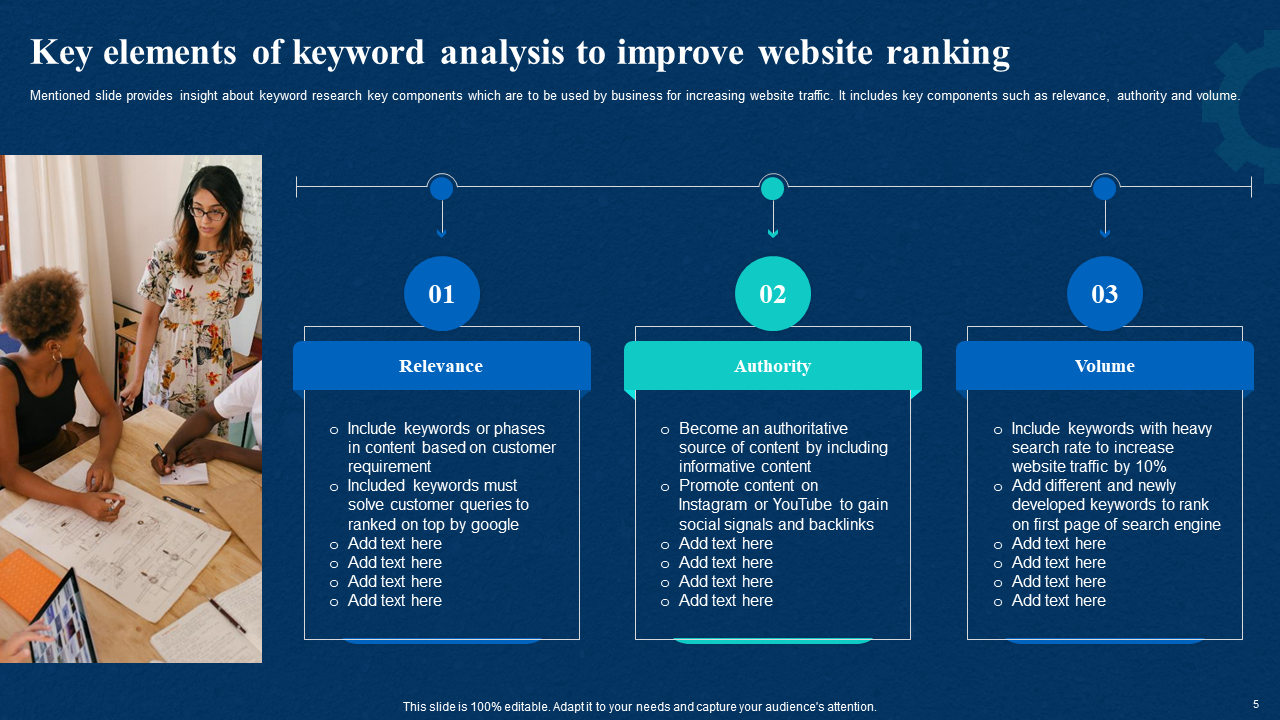
The Importance of Site Keyword Analysis in SEO
Keyword analysis is a fundamental aspect of search engine optimization (SEO) that involves researching, selecting, and using the right keywords to attract targeted traffic to a website. When it comes to SEO, understanding the significance of site keyword analysis is crucial for achieving high search engine rankings and driving organic traffic.
Why is Site Keyword Analysis Important?
Site keyword analysis plays a vital role in SEO for several reasons:
- Relevance: By conducting thorough keyword research, website owners can identify the most relevant keywords that align with their content and target audience.
- Visibility: Using the right keywords in website content helps search engines understand the relevance of the site, improving its visibility in search engine results pages (SERPs).
- Traffic: Targeting specific keywords with high search volume can drive more organic traffic to a website, increasing its online presence and potential for conversions.
- Competition: Analyzing keywords used by competitors can provide valuable insights into market trends and help identify opportunities to outrank them in search results.
How to Conduct Site Keyword Analysis
The process of site keyword analysis typically involves the following steps:
- Keyword Research: Use keyword research tools to identify relevant keywords related to your industry, products, or services.
- Keyword Selection: Choose primary and secondary keywords that have high search volume, low competition, and are most relevant to your target audience.
- Keyword Placement: Strategically incorporate selected keywords into website content, including meta tags, headings, URLs, and body text.
- Monitoring and Adjusting: Regularly monitor keyword performance using analytics tools and make adjustments based on changes in search trends or user behaviour.
The Benefits of Effective Site Keyword Analysis
When done correctly, site keyword analysis can yield numerous benefits for a website’s SEO strategy:
- Improved Search Engine Ranking: Targeting relevant keywords can help boost a site’s ranking in SERPs, making it more visible to potential visitors.
- Informed Content Creation: Understanding which keywords resonate with your audience enables you to create valuable and engaging content that meets their needs.
- Better User Experience: By providing content that matches user intent through targeted keywords, you enhance the overall user experience on your site.
- Increase in Conversions: Driving quality traffic through optimized keywords can lead to higher conversion rates and better ROI for your business.
In Conclusion
In conclusion, site keyword analysis is an essential component of any successful SEO strategy. By investing time and effort into researching and selecting the right keywords for your website, you can improve its visibility, attract more organic traffic, and ultimately achieve your online goals. Remember that effective keyword analysis is an ongoing process that requires monitoring and adaptation to stay ahead in the ever-evolving landscape of search engine optimisation.
If you’re looking to enhance your website’s SEO performance through comprehensive site keyword analysis, start by conducting thorough research and implementing strategic keyword strategies tailored to your target audience. The benefits are sure to follow as you climb up the ranks in search engine results!
Six Key Benefits of Site Keyword Analysis for Boosting Online Presence
- Enhances website visibility in search engine results pages (SERPs)
- Drives targeted organic traffic to the site
- Improves user engagement by providing relevant content
- Helps identify market trends and opportunities for growth
- Increases chances of ranking higher than competitors
- Optimises website content for better search engine performance
Challenges of Site Keyword Analysis: Navigating Time, Complexity, and Competition
- 1. Time-Consuming
- 2. Complexity
- 3. Constant Changes
- 4. Limited Scope
- 5. Keyword Saturation
- 6. Inaccuracies
- 7. Competitive Pressure
Enhances website visibility in search engine results pages (SERPs)
One significant advantage of site keyword analysis is that it enhances a website’s visibility in search engine results pages (SERPs). By strategically selecting and incorporating relevant keywords into website content, businesses can improve their chances of ranking higher in search engine listings. This increased visibility not only attracts more organic traffic to the site but also boosts brand awareness and credibility among online users searching for related products or services. Ultimately, effective keyword analysis can help websites stand out in a competitive online landscape and drive valuable traffic to achieve their digital marketing goals.
Drives targeted organic traffic to the site
One significant advantage of site keyword analysis is its ability to drive targeted organic traffic to the website. By identifying and strategically incorporating relevant keywords into the site’s content, SEO efforts can attract users who are actively searching for information, products, or services related to those keywords. This targeted approach not only increases the visibility of the site in search engine results but also ensures that the traffic generated is more likely to be interested in what the site has to offer, leading to higher engagement and potential conversions.
Improves user engagement by providing relevant content
One significant benefit of site keyword analysis is its ability to enhance user engagement by delivering relevant content. By identifying and incorporating the right keywords into website content, businesses can ensure that their material aligns with what their target audience is searching for. This relevance not only attracts users to the site but also keeps them engaged as they find the information they were seeking. As a result, improved user engagement leads to longer time spent on the site, lower bounce rates, and ultimately a more satisfied and loyal audience.
Helps identify market trends and opportunities for growth
One significant advantage of site keyword analysis is its ability to help identify market trends and opportunities for growth. By analysing the keywords used by competitors and tracking search trends, website owners can gain valuable insights into consumer behaviour, popular topics, and emerging market demands. This information enables businesses to adapt their SEO strategies, create relevant content, and target new keywords that align with current market trends. Ultimately, site keyword analysis empowers organisations to stay ahead of the competition, seize growth opportunities, and enhance their online visibility in a dynamic digital landscape.
Increases chances of ranking higher than competitors
One significant advantage of site keyword analysis is that it increases the likelihood of ranking higher than competitors in search engine results. By carefully selecting and strategically using relevant keywords in website content, meta tags, and other elements, a website can signal its relevance to search engines and improve its chances of appearing at the top of search results pages. This competitive edge not only enhances visibility but also attracts more organic traffic, potentially leading to greater online success and market dominance within the industry.
Optimises website content for better search engine performance
Site keyword analysis optimises website content for better search engine performance by ensuring that the most relevant and high-performing keywords are strategically incorporated into the content. By identifying and using the right keywords that resonate with the target audience, website owners can improve their site’s visibility in search engine results pages (SERPs) and attract more organic traffic. This proactive approach not only enhances the chances of ranking higher in search results but also helps to align the content with user intent, ultimately leading to improved search engine performance and increased online presence.
1. Time-Consuming
One significant drawback of site keyword analysis is its time-consuming nature. Conducting thorough keyword analysis involves extensive research, data collection, and analysis, which can be a resource-intensive task. Website owners and SEO professionals need to invest a considerable amount of time and effort in identifying the most relevant keywords for their content and target audience. This time commitment may pose challenges for individuals or businesses with limited resources or tight deadlines, as the process of keyword analysis requires patience and attention to detail to yield effective results.
2. Complexity
One significant drawback of site keyword analysis is its complexity, especially for beginners. Conducting keyword analysis requires a deep understanding of search trends, competition dynamics, and user behaviour patterns. For those new to SEO, navigating these intricate aspects can be overwhelming and challenging. The process of identifying the right keywords that resonate with the target audience while considering the competitive landscape demands a level of expertise and experience that may pose a steep learning curve for novices in the field.
3. Constant Changes
One significant drawback of site keyword analysis is the constant changes in search engine algorithms and user search habits. As search engines continuously update their algorithms to provide more relevant and accurate results, the effectiveness of chosen keywords may fluctuate. Additionally, user search behaviour evolves over time, leading to shifts in popular search terms and trends. This dynamic nature of SEO requires website owners to regularly review and adjust their keyword strategies to stay ahead of the curve, turning keyword analysis into a continuous and demanding task that demands ongoing attention and adaptation.
4. Limited Scope
Relying solely on keyword analysis may present a significant con due to its limited scope. While keywords are essential for SEO, focusing exclusively on keyword analysis may lead to overlooking other critical factors that contribute to a website’s overall search engine ranking. Neglecting aspects such as quality content creation and building strong backlinks can hinder the site’s ability to attract and retain organic traffic, impacting its long-term success in the competitive online landscape. Therefore, it is crucial for website owners and SEO practitioners to adopt a holistic approach that considers all key elements of SEO strategy, beyond just keyword analysis, to achieve sustainable growth and visibility online.
5. Keyword Saturation
Keyword saturation is a significant con of site keyword analysis that website owners should be cautious about. Overusing keywords in content with the sole purpose of improving search engine ranking can result in keyword stuffing, which ultimately harms the user experience. When keywords are excessively repeated or forced into content unnaturally, it can make the text sound robotic, irrelevant, and difficult to read for visitors. This practice not only fails to provide value to users but also risks triggering search engine penalties for spammy tactics. Therefore, striking a balance between optimising content for keywords and maintaining a natural flow that enhances user engagement is crucial in effective SEO strategies.
6. Inaccuracies
One significant drawback of site keyword analysis is the presence of inaccuracies in the data provided by keyword tools. These tools may not always offer precise information regarding search volume or competition levels, which can result in potential inaccuracies during the analysis process. Relying on flawed data can lead to misguided decisions in selecting and optimising keywords, ultimately impacting the effectiveness of an SEO strategy. It is crucial for website owners and SEO professionals to be aware of these inaccuracies and take them into consideration when conducting keyword analysis to ensure more informed decision-making and better outcomes for their websites.
7. Competitive Pressure
In the realm of site keyword analysis, one notable con is the competitive pressure it brings. As competitors also engage in keyword analysis to enhance their SEO strategies, a competitive environment is formed where maintaining a leading edge demands ongoing dedication and vigilance. Staying ahead of the competition in the ever-evolving landscape of search engine optimisation necessitates consistent effort and adaptability to remain visible and relevant in search engine results pages.