
Unlocking Website Success with Google Webmaster and WordPress Integration
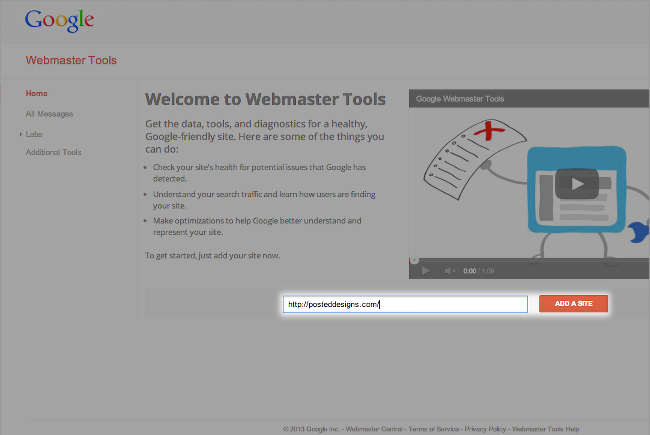
Google Webmaster and WordPress: A Powerful Combination for Website Success
When it comes to managing and optimizing your website for search engines, Google Webmaster Tools and WordPress are two essential tools that can significantly impact your online presence. Let’s explore how the combination of Google Webmaster and WordPress can help you achieve website success.
Google Webmaster Tools
Google Webmaster Tools, now known as Google Search Console, is a free service provided by Google that allows webmasters to monitor and maintain their site’s presence in Google search results. With Google Webmaster Tools, you can:
- Submit sitemaps to help Google crawl and index your site more efficiently.
- Monitor your site’s performance in search results and identify any issues that may be affecting your visibility.
- Receive alerts about critical issues such as malware infections or manual penalties.
- View data on how users are finding and interacting with your site in search results.
WordPress
WordPress is a popular content management system (CMS) that powers millions of websites around the world. Known for its user-friendly interface and flexibility, WordPress makes it easy for users to create and manage their websites without the need for extensive technical knowledge. Some key benefits of using WordPress include:
- Wide range of themes and plugins to customize your site’s design and functionality.
- SEO-friendly features such as clean code structure, customizable permalinks, and easy content optimization.
- Built-in blogging capabilities to help you create engaging content for your audience.
- Responsive design options to ensure your site looks great on all devices.
The Power of Integration
By integrating Google Webmaster Tools with a WordPress website, you can take advantage of the strengths of both platforms to enhance your site’s performance in search results. Some benefits of this integration include:
- Access valuable insights from Google about how your site is performing in search results.
- Easily submit sitemaps to Google to ensure all pages on your WordPress site are crawled and indexed properly.
- Identify and fix any technical issues that may be impacting your site’s visibility in search results.
- Optimize your content based on data from Google Webmaster Tools to improve rankings for relevant keywords.
In conclusion, combining the power of Google Webmaster Tools with a WordPress website can help you achieve greater visibility, traffic, and success online. By leveraging the insights provided by Google Webmaster Tools alongside the user-friendly features of WordPress, you can create a winning strategy for improving your website’s performance in search results.
Top 7 Advantages of Using Google Webmaster Tools for WordPress
- Free to use
- User-friendly interfaces
- SEO benefits
- Insightful data
- Customization options
- Technical support
- Mobile responsiveness
Challenges of Using Google Webmaster with WordPress: Key Limitations to Consider
- Limited control over advanced technical SEO settings compared to standalone SEO tools.
- Potential compatibility issues with certain WordPress themes or plugins.
- May require additional plugins or custom coding for more complex website functionalities.
- Steep learning curve for beginners unfamiliar with Google Webmaster Tools and WordPress.
- Dependency on Google’s algorithm updates which can impact search rankings unpredictably.
- Risk of data discrepancies between Google Webmaster Tools and WordPress analytics tools.
- Possible performance limitations on large websites with high traffic volumes.
Free to use
Both Google Webmaster Tools and WordPress offer the significant advantage of being free to use, making them accessible to users of all budgets. This affordability ensures that individuals and businesses, regardless of their financial constraints, can leverage the powerful tools and features provided by both platforms to enhance their online presence and improve their website’s performance in search results. The accessibility of these free tools underscores their commitment to empowering users with the resources needed to succeed in the digital landscape without financial barriers.
User-friendly interfaces
Both Google Webmaster Tools and WordPress excel in providing user-friendly interfaces that enhance the overall user experience. With intuitive designs and straightforward navigation, users can easily access and utilise the features offered by both platforms. Google Webmaster Tools simplifies the process of monitoring and maintaining a website’s search presence, while WordPress’s user-friendly interface allows users to create, manage, and customise their websites with ease. The seamless integration of these intuitive interfaces ensures that users can efficiently navigate through various tools and functionalities to optimise their websites for better performance in search results.
SEO benefits
Integrating Google Webmaster Tools with a WordPress website offers significant SEO benefits by enhancing SEO efforts and improving search engine visibility. By utilising the valuable insights provided by Google Webmaster Tools alongside the user-friendly features of WordPress, website owners can optimise their site’s performance in search results. This integration allows for better monitoring of site indexing, identification of technical issues, and data-driven content optimisation to boost rankings for relevant keywords. Overall, the combination of Google Webmaster Tools and WordPress creates a powerful synergy that can elevate a website’s SEO strategy and drive increased organic traffic.
Insightful data
Google Webmaster Tools offers insightful data on your website’s performance in search results, empowering you to make informed decisions to enhance your online presence. By utilising the valuable information provided by Google Webmaster Tools in conjunction with your WordPress website, you can gain a deeper understanding of how users are finding and interacting with your site. This data-driven approach enables you to identify areas for improvement, optimize your content effectively, and ultimately boost your site’s visibility and rankings in search engine results.
Customization options
One of the key advantages of integrating Google Webmaster Tools with WordPress is the extensive customization options available. WordPress provides a diverse selection of themes and plugins that allow you to tailor your site’s design and functionality according to your specific requirements. Whether you aim for a sleek and professional look or a vibrant and creative layout, WordPress’s customization features empower you to create a website that truly reflects your brand identity and resonates with your target audience. By utilising these customisation tools in conjunction with Google Webmaster Tools, you can enhance both the visual appeal and user experience of your site while ensuring optimal performance in search engine results.
Technical support
Technical support is a significant advantage of integrating Google Webmaster Tools with WordPress. Both platforms provide users with a wealth of resources, detailed documentation, and active community forums where they can seek assistance and troubleshoot any technical issues they may encounter. This robust support system ensures that users have access to the help they need to overcome challenges and make the most out of their website optimization efforts. By utilising the technical support available on Google Webmaster Tools and WordPress, users can navigate any complexities effectively and enhance their online presence with confidence.
Mobile responsiveness
One significant advantage of integrating Google Webmaster Tools with WordPress is the ability to enhance mobile responsiveness. With WordPress websites, it is straightforward to optimise the site for mobile devices, ensuring a seamless user experience regardless of the screen size. This feature allows website owners to cater to the growing number of users accessing websites on smartphones and tablets, ultimately improving user engagement and satisfaction. By leveraging this capability through the integration of Google Webmaster Tools, webmasters can ensure that their websites are fully responsive and accessible on various mobile devices, contributing to a positive overall user experience.
Limited control over advanced technical SEO settings compared to standalone SEO tools.
When using Google Webmaster Tools integrated with WordPress, one potential drawback is the limited control over advanced technical SEO settings compared to standalone SEO tools. While Google Webmaster Tools provides valuable insights and data for optimizing a website’s performance in search results, it may lack the depth of customization and fine-tuning options that dedicated SEO tools offer. This limitation could impact users who require more granular control over technical aspects of SEO, such as schema markup implementation, server configurations, or detailed site structure analysis. In such cases, supplementing Google Webmaster Tools with standalone SEO tools may be necessary to achieve a comprehensive and tailored approach to technical SEO optimization.
Potential compatibility issues with certain WordPress themes or plugins.
One potential downside of integrating Google Webmaster Tools with a WordPress website is the risk of encountering compatibility issues with certain WordPress themes or plugins. Due to the vast array of themes and plugins available for WordPress, there is a possibility that some may not work seamlessly with Google Webmaster Tools, leading to technical glitches or functionality issues. It is essential for website owners to carefully vet and test themes and plugins before integration to mitigate the risk of compatibility conflicts that could impact the effectiveness of using Google Webmaster Tools for optimising their site’s search performance.
May require additional plugins or custom coding for more complex website functionalities.
One drawback of integrating Google Webmaster Tools with a WordPress website is that it may necessitate the use of additional plugins or custom coding to implement more advanced website functionalities. While WordPress offers a wide range of plugins to enhance site capabilities, some complex requirements may not be readily achievable without additional development work. This can lead to increased complexity in managing the website and potentially higher costs associated with custom solutions. It is important for website owners to carefully assess their needs and consider the trade-offs between functionality and the resources required for implementation when leveraging Google Webmaster Tools in conjunction with WordPress.
Steep learning curve for beginners unfamiliar with Google Webmaster Tools and WordPress.
For beginners unfamiliar with Google Webmaster Tools and WordPress, one significant drawback is the steep learning curve associated with mastering these platforms. Navigating the complexities of Google Webmaster Tools, understanding its various features and functionalities, and integrating it effectively with a WordPress website can be challenging for those new to SEO and website management. The technical jargon, settings, and configurations involved in both tools may overwhelm beginners, requiring dedicated time and effort to grasp the intricacies of using Google Webmaster Tools in conjunction with WordPress effectively.
Dependency on Google’s algorithm updates which can impact search rankings unpredictably.
One significant drawback of relying on the combination of Google Webmaster Tools and WordPress is the inherent dependency on Google’s algorithm updates, which can have unpredictable effects on search rankings. As Google frequently updates its search algorithms to improve user experience and combat spammy tactics, website owners using these tools may find themselves at the mercy of these changes. Sudden shifts in search rankings due to algorithm updates can disrupt carefully planned SEO strategies, leading to fluctuations in website visibility and traffic. It is crucial for users to stay informed about algorithm changes and adapt their SEO efforts accordingly to mitigate the impact of these unpredictabilities.
Risk of data discrepancies between Google Webmaster Tools and WordPress analytics tools.
One potential drawback of integrating Google Webmaster Tools with WordPress is the risk of data discrepancies between the two platforms’ analytics tools. Due to differences in tracking methods and data processing algorithms, users may encounter inconsistencies in metrics such as website traffic, keyword performance, and user engagement. These discrepancies can lead to challenges in accurately assessing the overall performance and effectiveness of SEO strategies, potentially complicating decision-making processes for website optimization efforts. It is essential for users to be aware of this con and carefully cross-reference data from both Google Webmaster Tools and WordPress analytics tools to gain a more comprehensive understanding of their website’s performance.
Possible performance limitations on large websites with high traffic volumes.
One potential drawback of integrating Google Webmaster Tools with WordPress is the potential performance limitations that may arise on large websites with high volumes of traffic. As websites grow in size and traffic, the resources required to effectively manage and optimize them also increase. In some cases, the combination of Google Webmaster Tools and WordPress may struggle to handle the demands of extensive data processing and analysis, leading to slower performance and potential bottlenecks. Website administrators of large sites with high traffic volumes should carefully assess the scalability and performance capabilities of their chosen tools to ensure optimal functionality and user experience.