
Mastering On-Page SEO Meta Tags: A Guide to Optimizing Your Web Content
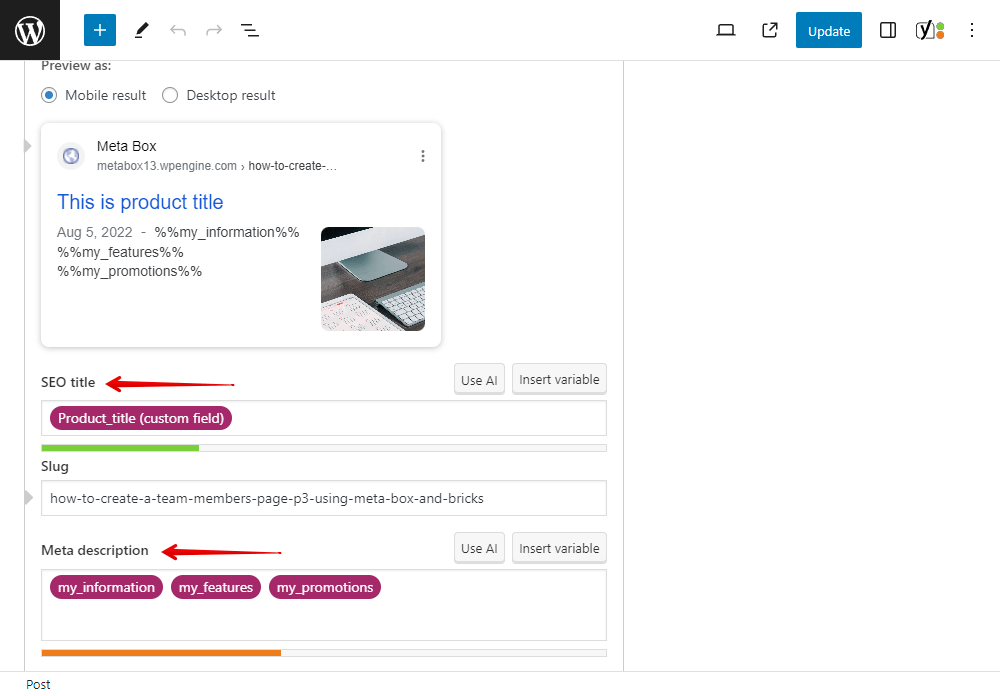
The Importance of On-Page SEO Meta Tags
Meta tags are an essential component of on-page SEO that play a crucial role in helping search engines understand the content and context of a web page. While meta tags may not be visible on the actual page, they provide valuable information to search engines and influence how a page is indexed and displayed in search results.
Types of Meta Tags
There are several types of meta tags that are commonly used for on-page SEO:
- Title Tag: The title tag is one of the most important meta tags as it specifies the title of a web page. It appears as the clickable headline in search engine results.
- Description Tag: The meta description tag provides a brief summary of the content on a web page. It appears below the title tag in search results and can influence click-through rates.
- Keywords Tag: While not as important as it used to be, the meta keywords tag used to provide search engines with a list of keywords relevant to the content on a page.
- Viewport Tag: The viewport meta tag controls how a webpage is displayed on different devices, helping to ensure responsive design.
Optimizing Meta Tags for SEO
To make the most out of meta tags for SEO purposes, here are some best practices to follow:
- Include Targeted Keywords: Incorporate relevant keywords naturally into your title and description tags to improve visibility for relevant searches.
- Create Unique Tags: Each page on your website should have unique title and description tags that accurately reflect the content on that specific page.
- Maintain Length Limits: Keep your title tag under 60 characters and your description tag under 160 characters to ensure they display correctly in search results.
- Avoid Keyword Stuffing: While it’s important to include keywords, avoid overloading your meta tags with irrelevant or excessive keywords as this can harm your SEO efforts.
In Conclusion
In conclusion, on-page SEO meta tags are an integral part of optimizing web pages for search engines. By following best practices and ensuring that your meta tags are well-crafted and relevant, you can improve your website’s visibility and attract more organic traffic. Remember to regularly review and update your meta tags to stay competitive in the ever-evolving world of SEO.
Maximising Online Presence: 9 Key Benefits of Effective On-Page SEO Meta Tags
- Enhance search engine visibility by providing relevant information to search engines.
- Improve click-through rates with compelling and informative meta descriptions.
- Increase organic traffic by targeting specific keywords in title tags.
- Boost user engagement by delivering accurate and descriptive meta tags.
- Enhance user experience with well-structured meta tags that provide valuable context.
- Establish brand authority and credibility through consistent and optimised meta tags.
- Facilitate better indexing of web pages for improved search engine rankings.
- Drive targeted traffic to your website by optimising meta tags for specific audience segments.
- Adapt to evolving search algorithms by regularly updating and refining meta tag strategies.
Six Drawbacks of On-Page SEO Meta Tags: Challenges and Considerations
- Meta tags can be time-consuming to optimise for each web page.
- Over-optimising meta tags with keywords can result in keyword stuffing penalties.
- Search engines may choose to display alternative content snippets instead of the meta description.
- Meta tags alone may not significantly impact search engine rankings compared to other SEO factors.
- Incorrectly formatted meta tags can lead to indexing issues and negatively affect SEO performance.
- Changes in search engine algorithms can devalue the importance of certain meta tags over time.
Enhance search engine visibility by providing relevant information to search engines.
By utilising on-page SEO meta tags, websites can significantly enhance their search engine visibility by offering pertinent information to search engines. These meta tags serve as a roadmap for search engine crawlers, guiding them to understand the content and context of web pages more effectively. By providing accurate and relevant meta tags such as title tags and descriptions, websites can improve their chances of appearing in search results for relevant queries, ultimately driving more organic traffic to their site.
Improve click-through rates with compelling and informative meta descriptions.
By crafting compelling and informative meta descriptions as part of on-page SEO meta tags, website owners can significantly enhance their click-through rates. A well-written meta description provides a concise preview of the content on a web page, enticing users to click through to learn more. By incorporating relevant keywords and offering a clear value proposition in the meta description, businesses can attract more targeted traffic from search engine results pages. This pro of on-page SEO meta tags not only improves visibility but also increases the likelihood of engaging with potential visitors who are actively searching for the information or products offered on the website.
Increase organic traffic by targeting specific keywords in title tags.
By incorporating specific keywords into title tags as part of on-page SEO meta tags, websites can effectively target relevant search terms and improve their visibility in search engine results. This targeted approach enhances the chances of attracting organic traffic from users actively searching for content related to those specific keywords. By optimising title tags with relevant keywords, websites can increase their organic traffic by ensuring that their pages are more likely to appear in search results for the targeted queries, ultimately driving more qualified visitors to their site.
Boost user engagement by delivering accurate and descriptive meta tags.
By delivering accurate and descriptive meta tags as part of on-page SEO, websites can significantly boost user engagement. When users come across search results with clear and relevant meta titles and descriptions, they are more likely to click through to the website. Accurate meta tags provide users with a preview of what to expect on the webpage, setting clear expectations and increasing the likelihood of them finding the content they are looking for. This not only improves user experience but also helps in attracting targeted traffic to the website, ultimately leading to higher engagement metrics and improved conversion rates.
Enhance user experience with well-structured meta tags that provide valuable context.
Well-structured meta tags in on-page SEO play a significant role in enhancing user experience by providing valuable context to visitors. When meta tags such as title and description are optimised with relevant keywords and accurate summaries of the page content, users can quickly grasp what the page is about before clicking on it. This not only helps users find the information they are looking for more efficiently but also improves overall user satisfaction by delivering clear and concise previews of the webpage content. By focusing on creating informative and well-structured meta tags, websites can engage users from the search results page onwards, leading to a more positive browsing experience.
Establish brand authority and credibility through consistent and optimised meta tags.
Establishing brand authority and credibility through consistent and optimised meta tags is a key benefit of on-page SEO. By carefully crafting meta tags that accurately reflect the content and purpose of a web page, businesses can enhance their online reputation and build trust with both users and search engines. Consistency in using relevant keywords and providing valuable meta descriptions not only helps improve search engine visibility but also reinforces the brand’s expertise in its industry. Optimised meta tags contribute to a cohesive brand image, making it easier for users to recognise and trust the brand, ultimately leading to increased credibility and authority in the digital landscape.
Facilitate better indexing of web pages for improved search engine rankings.
By utilising on-page SEO meta tags, webmasters can significantly enhance the indexing process of their web pages, leading to improved search engine rankings. Meta tags provide search engines with valuable information about the content and relevance of a page, making it easier for search engine crawlers to understand and categorise the content. This enhanced understanding ultimately results in better indexing of web pages, increasing their visibility and potential to rank higher in search engine results pages.
Drive targeted traffic to your website by optimising meta tags for specific audience segments.
By optimising meta tags for specific audience segments, you can drive targeted traffic to your website through on-page SEO. Tailoring meta tags with relevant keywords and descriptions that resonate with different audience groups increases the likelihood of your web pages appearing in search results that are most relevant to those segments. This targeted approach not only enhances visibility but also improves the chances of attracting qualified visitors who are more likely to engage with your content and convert into valuable leads or customers.
Adapt to evolving search algorithms by regularly updating and refining meta tag strategies.
Adapting to evolving search algorithms is a key advantage of on-page SEO meta tags. By regularly updating and refining meta tag strategies, website owners can stay ahead of the curve and ensure that their content remains optimised for the latest ranking factors. This proactive approach not only helps improve search engine visibility but also enhances the overall user experience by delivering relevant and up-to-date information. Keeping meta tags current and aligned with algorithm changes is a smart way to maintain a competitive edge in the dynamic landscape of online search.
Meta tags can be time-consuming to optimise for each web page.
Optimising meta tags for each web page can be a time-consuming aspect of on-page SEO. Crafting unique and relevant title and description tags for every page on a website requires careful consideration of keywords, content, and user intent. This process can be labour-intensive, especially for websites with a large number of pages or frequent content updates. Balancing the need for optimised meta tags with the time constraints of managing a website can present a challenge for digital marketers and website owners aiming to maximise their SEO efforts efficiently.
Over-optimising meta tags with keywords can result in keyword stuffing penalties.
Over-optimising meta tags with keywords can lead to a significant drawback in on-page SEO. When website owners excessively stuff meta tags with keywords in an attempt to manipulate search engine rankings, they risk facing penalties for keyword stuffing. Search engines like Google penalise websites that engage in this practice, as it goes against their guidelines and aims to provide users with relevant and high-quality content. Keyword stuffing not only harms the user experience by making content less readable but also damages the website’s credibility and SEO performance in the long run. It is crucial for website owners to strike a balance between incorporating relevant keywords in meta tags and avoiding excessive keyword usage to maintain a healthy SEO strategy.
Search engines may choose to display alternative content snippets instead of the meta description.
In the realm of on-page SEO meta tags, a notable drawback is that search engines have the autonomy to opt for alternative content snippets instead of the meticulously crafted meta description. This can lead to a disconnect between the intended message conveyed through the meta description and the snippet displayed in search results. As a result, website owners may find it challenging to control how their pages are presented in search engine listings, potentially affecting click-through rates and overall user engagement. Despite efforts to optimise meta tags, the unpredictability of search engines selecting alternative snippets remains a persistent con that webmasters need to navigate in their SEO strategies.
Meta tags alone may not significantly impact search engine rankings compared to other SEO factors.
While meta tags play a crucial role in on-page SEO by providing valuable information to search engines, it is important to acknowledge that they may not have a significant impact on search engine rankings compared to other SEO factors. Factors such as high-quality content, backlinks, site speed, and user experience are also critical in determining a website’s ranking on search engine results pages. While optimising meta tags is important for providing context and improving click-through rates, focusing solely on meta tags may not yield substantial improvements in search engine rankings without addressing other key SEO elements. It is essential for website owners and digital marketers to adopt a holistic approach to SEO that considers a wide range of factors beyond just meta tags to achieve optimal results in search engine rankings.
Incorrectly formatted meta tags can lead to indexing issues and negatively affect SEO performance.
Incorrectly formatted meta tags can be a significant con of on-page SEO as they have the potential to cause indexing issues and ultimately harm SEO performance. When meta tags are not properly structured or contain errors, search engines may struggle to interpret the content of a web page accurately. This can lead to pages being indexed incorrectly or not at all, resulting in lower visibility in search results. Additionally, poorly formatted meta tags can impact the overall user experience by providing misleading or incomplete information in search engine snippets, potentially leading to decreased click-through rates. It is crucial for website owners and SEO practitioners to pay close attention to the correct formatting and implementation of meta tags to avoid these detrimental effects on SEO performance.
Changes in search engine algorithms can devalue the importance of certain meta tags over time.
Changes in search engine algorithms can pose a significant con for on-page SEO meta tags as they have the potential to devalue the importance of certain meta tags over time. Search engines continuously evolve their algorithms to provide users with the most relevant and high-quality search results. This means that what may be considered crucial for SEO today in terms of meta tags could become less impactful or even obsolete in the future as search engines adjust their ranking criteria. As a result, website owners and SEO practitioners need to stay informed about algorithm updates and be prepared to adapt their meta tag strategies accordingly to maintain their visibility and rankings in search results.