
Mastering On-Page SEO with Moz: A Comprehensive Guide for Success
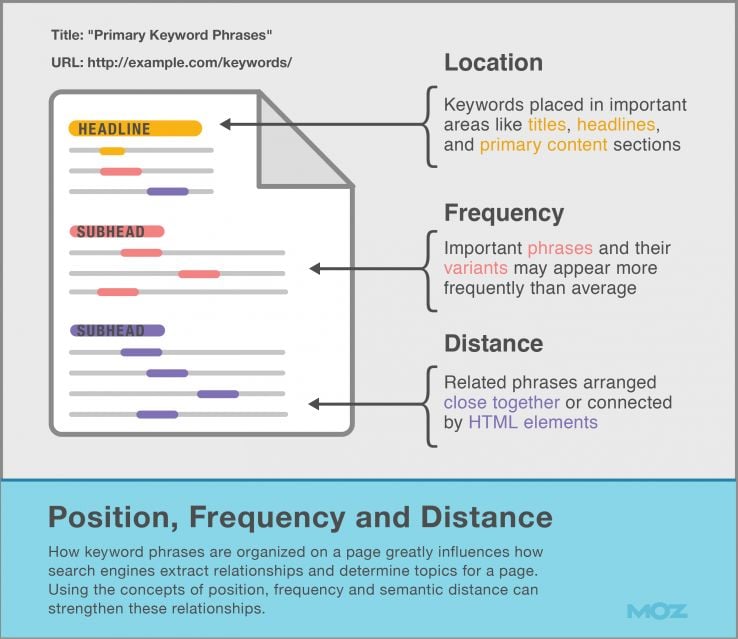
On-Page SEO with Moz: A Comprehensive Guide
When it comes to search engine optimization (SEO), on-page SEO plays a crucial role in improving your website’s visibility and ranking on search engine results pages (SERPs). One of the leading tools in the SEO industry for on-page optimization is Moz.
Moz offers a range of features and tools that can help you enhance your website’s on-page SEO performance. From keyword research to content analysis, Moz provides valuable insights and recommendations to boost your website’s organic traffic.
Key Features of On-Page SEO with Moz:
- Keyword Research: Moz’s keyword research tool allows you to discover relevant keywords with high search volumes and low competition. By targeting the right keywords, you can attract more organic traffic to your website.
- On-Page Analysis: With Moz’s on-page analysis feature, you can evaluate the optimization level of your web pages. It provides suggestions for improving meta tags, headings, content quality, and more to enhance your on-page SEO.
- Site Crawl: Moz’s site crawl tool helps you identify technical issues that may affect your website’s performance in search engines. By fixing these issues, you can ensure that search engines can properly index and rank your site.
- Backlink Analysis: Backlinks are an essential factor in SEO. Moz allows you to analyse your backlink profile, identify high-quality backlinks, and monitor new backlink opportunities to strengthen your website’s authority.
- Content Suggestions: Content is king in SEO. Moz provides content suggestions based on popular topics, relevant keywords, and competitor analysis to help you create engaging and optimised content that resonates with your target audience.
In conclusion, leveraging Moz for on-page SEO can significantly impact your website’s search engine visibility and organic traffic. By utilising its powerful features and following best practices in on-page optimization, you can enhance the overall performance of your website and achieve higher rankings in SERPs.
Top 5 Advantages of On-Page SEO with Moz: Boost Your Website’s Performance
- Comprehensive keyword research tool for identifying high-potential keywords.
- On-page analysis feature provides actionable recommendations for improving website optimisation.
- Site crawl tool helps in identifying and resolving technical issues that may impact SEO performance.
- Backlink analysis feature allows monitoring of backlink profile and discovering new linking opportunities.
- Content suggestions based on competitor analysis and popular topics help in creating engaging and SEO-friendly content.
Seven Drawbacks of On-Page SEO with Moz: Cost, Learning Curve, and More
- 1. Cost
- 2. Learning Curve
- 3. Limited Free Version
- 4. Data Accuracy
- 5. Dependency on Third-Party Data
- 6. Resource Intensive
- 7. Competition
Comprehensive keyword research tool for identifying high-potential keywords.
Moz’s comprehensive keyword research tool is a game-changer for website owners and digital marketers looking to boost their on-page SEO performance. By utilising this feature, users can effortlessly identify high-potential keywords with optimal search volumes and low competition levels. This invaluable tool not only streamlines the keyword research process but also empowers users to strategically target the most relevant keywords that have the potential to drive significant organic traffic to their websites.
On-page analysis feature provides actionable recommendations for improving website optimisation.
The on-page analysis feature of Moz offers valuable insights and actionable recommendations for enhancing website optimization. By utilising this feature, website owners can receive specific guidance on improving meta tags, headings, content quality, and other on-page elements to boost their SEO performance. With clear and practical suggestions provided by Moz’s on-page analysis, users can make informed decisions to optimise their web pages effectively and increase their chances of ranking higher in search engine results.
Site crawl tool helps in identifying and resolving technical issues that may impact SEO performance.
The site crawl tool offered by Moz is a valuable asset for website owners and SEO professionals as it aids in the identification and resolution of technical issues that could potentially hinder SEO performance. By conducting a comprehensive site crawl, users can pinpoint issues such as broken links, duplicate content, and slow-loading pages that may negatively impact search engine rankings. Addressing these technical issues promptly can lead to improved website visibility, better user experience, and ultimately, enhanced SEO performance.
Backlink analysis feature allows monitoring of backlink profile and discovering new linking opportunities.
The backlink analysis feature of Moz’s on-page SEO tools offers a valuable advantage by enabling users to monitor their backlink profile effectively and identify new linking opportunities. By utilising this feature, website owners can gain insights into the quality and quantity of their backlinks, assess their website’s authority, and pinpoint areas for improvement. Moreover, discovering new linking opportunities through Moz’s analysis can help enhance the website’s credibility, increase referral traffic, and ultimately boost its search engine rankings.
Content suggestions based on competitor analysis and popular topics help in creating engaging and SEO-friendly content.
One of the key benefits of using Moz for on-page SEO is its feature that provides content suggestions based on competitor analysis and popular topics. By analysing what your competitors are doing successfully and identifying trending topics in your industry, Moz helps you create engaging and SEO-friendly content that resonates with your target audience. This valuable insight ensures that your content is not only relevant and interesting but also optimised for search engines, ultimately driving more organic traffic to your website.
1. Cost
One significant drawback of using Moz for on-page SEO is the cost associated with its premium features. For small businesses or individuals operating on a tight budget, the expense of accessing Moz’s advanced tools and functionalities may pose a financial challenge. The high cost of subscription plans could limit the accessibility of valuable SEO insights and recommendations that Moz offers, making it less feasible for budget-conscious users to fully leverage the platform’s capabilities for enhancing their on-page SEO strategies.
2. Learning Curve
Utilising Moz for on-page SEO comes with its challenges, one of which is the steep learning curve associated with mastering its intricate tools and features. To leverage Moz effectively, users need to invest time and effort in understanding how to navigate the platform and interpret the data provided. The complexity of some features may require additional training or resources to fully grasp, which can be a hurdle for those looking for quick and straightforward solutions to their on-page SEO needs.
3. Limited Free Version
One notable drawback of using on-page SEO with Moz is the limitation of its free version. While the free version provides basic features and insights, it falls short in comparison to the comprehensive tools and functionalities available in the paid plans. This restriction can hinder users from accessing advanced SEO tools that are crucial for in-depth website analysis and optimisation, potentially limiting their ability to fully leverage Moz’s capabilities for enhancing their on-page SEO strategies.
4. Data Accuracy
While On-Page SEO with Moz offers a range of valuable features, one notable drawback is the issue of data accuracy. Some users have raised concerns about discrepancies in data accuracy, particularly in areas such as keyword rankings and backlink analysis. These inaccuracies can potentially impact decision-making processes, as relying on unreliable data may lead to ineffective strategies and suboptimal results. It is important for users to be aware of these limitations and consider cross-referencing data from multiple sources to ensure the reliability of their SEO efforts.
5. Dependency on Third-Party Data
One notable drawback of using Moz for on-page SEO is its dependency on third-party data sources. As Moz relies on external sources for data collection, there is a risk of encountering delays or inaccuracies in reporting. This reliance on third-party data can potentially impact the timeliness and accuracy of the insights provided by Moz, which may hinder the effectiveness of on-page SEO strategies based on this information.
6. Resource Intensive
Running comprehensive site audits and analyses with Moz can be a challenging aspect of using the tool, particularly for large websites. The process can be resource-intensive and time-consuming, requiring significant computing power and bandwidth to handle the extensive data processing involved in evaluating every aspect of a website’s on-page SEO performance. This con highlights the need for careful consideration of the scale and scope of the website before embarking on detailed analyses with Moz to ensure efficient use of resources and timely results.
7. Competition
In the realm of on-page SEO tools, Moz encounters a notable drawback in the form of fierce competition from numerous other SEO platforms in the market. The saturated landscape of SEO tools poses a significant challenge for Moz to distinguish itself and carve out a unique position among its competitors. Standing out amidst this competitive environment demands continuous innovation and strategic differentiation to attract and retain users seeking effective on-page SEO solutions.