
Maximizing Website Visibility: The Power of On-Page SEO Optimization
The Ultimate Guide to On-Page SEO Optimization
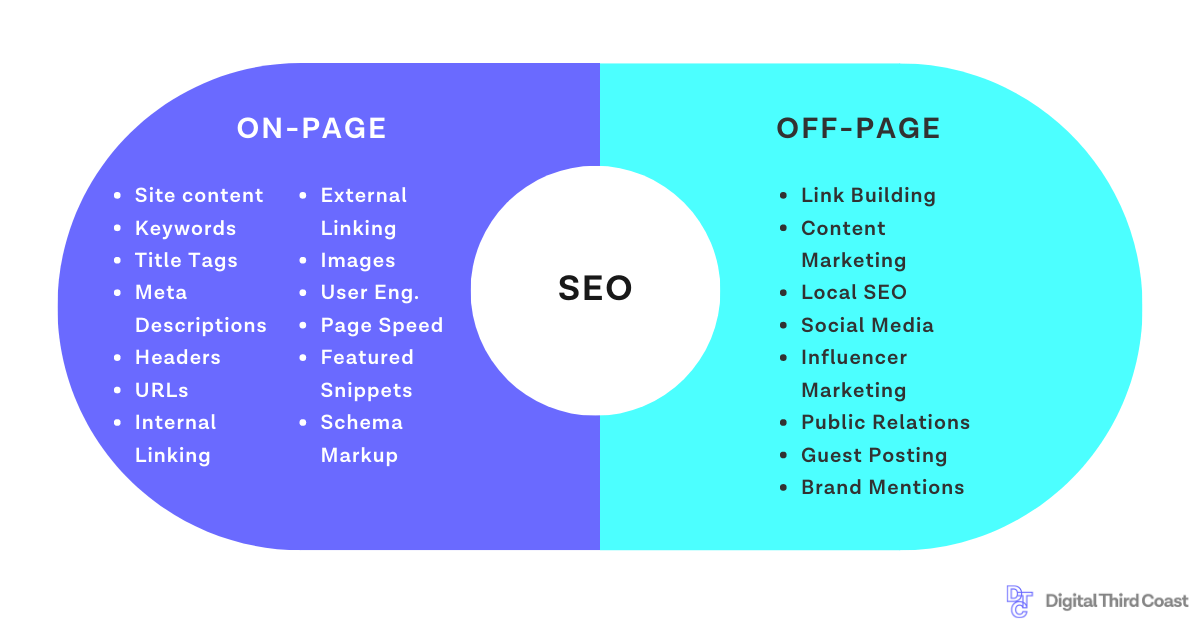
On-page SEO optimization is a crucial aspect of any successful digital marketing strategy. By implementing effective on-page SEO techniques, you can improve your website’s visibility in search engine results and attract more organic traffic. In this comprehensive guide, we will explore the key components of on-page SEO and provide you with practical tips to enhance your website’s search engine performance.
Keyword Research and Placement
Keyword research is the foundation of on-page SEO optimization. Identify relevant keywords that your target audience is likely to use when searching for your products or services. Integrate these keywords strategically into your website’s content, meta tags, headings, and URLs to signal to search engines what your pages are about.
High-Quality Content
Content is king in the world of SEO. Create high-quality, engaging, and informative content that provides value to your audience. Ensure that your content is well-structured, easy to read, and relevant to the user’s search intent. Use headings, bullet points, and multimedia elements to enhance readability and engagement.
Meta Tags Optimization
Optimize your meta tags, including title tags and meta descriptions, to improve click-through rates in search engine results pages. Craft compelling titles that accurately describe the content of each page and include relevant keywords. Write concise meta descriptions that entice users to click on your links by highlighting the benefits of visiting your page.
Image Optimization
Optimize images on your website by using descriptive file names and alt text that include relevant keywords. Compress images to improve page load speed and enhance user experience. Properly optimized images can also appear in image search results, driving additional organic traffic to your site.
Internal Linking Structure
Create a logical internal linking structure within your website to help users navigate between related pages easily. Internal links not only improve user experience but also distribute link equity throughout your site, boosting the visibility of important pages in search results.
Mobile-Friendliness
Ensure that your website is mobile-friendly and responsive across all devices. Google prioritizes mobile-friendly websites in its search results, so optimizing for mobile users is essential for improving your site’s visibility and rankings.
Page Speed Optimization
Optimize page speed by minimizing server response times, leveraging browser caching, compressing assets, and reducing unnecessary scripts or plugins. A fast-loading website not only improves user experience but also positively impacts search engine rankings.
In Conclusion
On-page SEO optimization plays a critical role in enhancing the visibility and performance of your website in search engine results pages. By implementing the strategies outlined in this guide, you can create a strong foundation for attracting organic traffic, improving user experience, and achieving higher rankings in search engines.
29 Frequently Asked Questions About On-Page SEO Optimisation
- What is on page Optimisation technique?
- What is on page and off-page optimization in SEO?
- How can I improve SEO on one page?
- What is on page SEO optimization?
- What is on-page optimization in SEO?
- Which is example of on page SEO?
- How to improve SEO on-page?
- What is on page SEO and its factors?
- What is on page and off page optimization in SEO?
- Which is example of on-page SEO?
- What is on-page optimization techniques?
- What is on page SEO examples?
- What is off page optimization in SEO?
- What are the top 5 on-page SEO factors?
- What is on-page SEO vs content SEO?
- What is on page SEO vs content SEO?
- Which choice is example of on-page SEO?
- What is on page optimization and off-page optimization?
- What is on-page and off-page optimization in SEO?
- What does onpage SEO include?
- What is on page & off page SEO optimization?
- What is on-page optimization and off-page optimization?
- What is onsite SEO vs off site SEO?
- What is on-page SEO and its factors?
- How to do an on-page SEO analysis?
- What are the 3 primary components of on-page optimization?
- What are the 3 types of SEO optimizations?
- What is Onn page SEO?
- What are the 3 primary components of on page optimization?
What is on page Optimisation technique?
On-page optimization technique refers to the practice of optimizing various elements within a website to improve its visibility and ranking in search engine results. This includes strategic placement of relevant keywords, creating high-quality and engaging content, optimizing meta tags, images, and internal linking structure, ensuring mobile-friendliness, and enhancing page speed. By implementing on-page SEO techniques effectively, website owners can signal to search engines the relevance and value of their content, ultimately driving more organic traffic and improving overall online presence.
What is on page and off-page optimization in SEO?
On-page and off-page optimization are two essential components of search engine optimization (SEO). On-page optimization refers to the strategies and techniques implemented directly on a website to improve its visibility and ranking in search engine results. This includes optimizing content, meta tags, headings, images, and internal linking structure. On the other hand, off-page optimization involves activities conducted outside the website to enhance its authority and credibility in the eyes of search engines. This typically includes building backlinks from reputable websites, social media engagement, and online reputation management. Both on-page and off-page optimization are crucial for a comprehensive SEO strategy that aims to drive organic traffic and improve online presence.
How can I improve SEO on one page?
To improve SEO on a single page, focus on key elements such as keyword research and placement, high-quality content creation, meta tags optimization, image optimization, internal linking structure, mobile-friendliness, and page speed optimization. Start by conducting thorough keyword research to identify relevant keywords for your content and strategically integrate them throughout the page. Create engaging and informative content that addresses the user’s search intent while ensuring it is well-structured and easy to read. Optimise meta tags like title tags and meta descriptions with relevant keywords to enhance click-through rates in search results. Additionally, optimise images with descriptive file names and alt text, implement a logical internal linking structure, ensure mobile-friendliness across devices, and optimise page speed for a seamless user experience and improved search engine visibility. By implementing these on-page SEO techniques effectively, you can enhance the performance of a single page and boost its rankings in search engine results.
What is on page SEO optimization?
On-page SEO optimization refers to the practice of optimizing individual web pages to improve their search engine rankings and attract organic traffic. It involves various strategies, such as keyword research and placement, content optimization, meta tags optimization, image optimization, internal linking, mobile-friendliness, and page speed optimization. By focusing on on-page SEO techniques, website owners can ensure that their content is relevant, user-friendly, and easily discoverable by search engines. This process plays a crucial role in enhancing a website’s visibility in search engine results pages and ultimately driving more qualified traffic to the site.
What is on-page optimization in SEO?
On-page optimization in SEO refers to the practice of optimizing individual web pages to improve their search engine rankings and attract more organic traffic. This process involves various techniques, such as keyword research and placement, content optimization, meta tags optimization, image optimization, internal linking, mobile-friendliness, and page speed optimization. By focusing on on-page SEO factors, website owners can ensure that their content is relevant, user-friendly, and easily discoverable by search engines. Ultimately, on-page optimization plays a crucial role in enhancing a website’s visibility in search engine results pages and driving organic traffic to the site.
Which is example of on page SEO?
An example of on-page SEO is optimizing the meta tags of a webpage. This includes crafting a relevant and keyword-rich title tag that accurately reflects the content of the page, as well as writing a compelling meta description that entices users to click through to the website. By effectively optimizing meta tags, you can improve the visibility of your webpage in search engine results and attract more organic traffic to your site.
How to improve SEO on-page?
To improve SEO on-page, it is essential to focus on several key factors. Start by conducting thorough keyword research to identify relevant and high-traffic keywords for your content. Integrate these keywords strategically into your meta tags, headings, URLs, and content to signal to search engines the relevance of your pages. Create high-quality and engaging content that provides value to your audience while ensuring proper formatting with headings and bullet points for readability. Optimize your meta tags, including title tags and meta descriptions, with compelling and keyword-rich content to improve click-through rates in search engine results. Additionally, optimize images with descriptive file names and alt text containing relevant keywords. Implement a logical internal linking structure within your website to enhance navigation and distribute link equity effectively. Ensure that your website is mobile-friendly and responsive across all devices, as Google prioritizes mobile-friendly sites in search results. Lastly, focus on optimizing page speed through various techniques such as minimizing server response times and compressing assets for improved user experience and search engine rankings. By implementing these on-page SEO strategies effectively, you can enhance the visibility and performance of your website in search engine results pages.
What is on page SEO and its factors?
On-page SEO refers to the practice of optimizing individual web pages to improve their search engine rankings and attract organic traffic. It involves various factors that contribute to making a webpage more visible and relevant to search engines. Key factors of on-page SEO include keyword research and placement, high-quality content creation, meta tags optimization, image optimization, internal linking structure, mobile-friendliness, and page speed optimization. By focusing on these factors and implementing best practices, website owners can enhance their online visibility, engage with their target audience effectively, and ultimately improve their search engine rankings.
What is on page and off page optimization in SEO?
In the realm of SEO, on-page and off-page optimization are two fundamental strategies that work together to improve a website’s search engine visibility. On-page optimization focuses on optimizing elements within the website itself, such as content, meta tags, and internal linking structure, to enhance its relevance and authority for targeted keywords. On the other hand, off-page optimization involves activities outside the website, like link building and social media promotion, to boost the site’s credibility and reputation in the eyes of search engines. Both on-page and off-page optimization are essential components of a comprehensive SEO strategy aimed at driving organic traffic and improving search engine rankings.
Which is example of on-page SEO?
An example of on-page SEO is optimizing the meta tags of a webpage, such as the title tag and meta description. By including relevant keywords in these tags and crafting compelling and descriptive content, you can improve the visibility of the page in search engine results and attract more organic traffic. Effective on-page SEO techniques like this help search engines understand the context and relevance of your content, ultimately leading to higher rankings and increased user engagement.
What is on-page optimization techniques?
On-page optimization techniques refer to the strategies and practices used to improve a website’s visibility and performance in search engine results through optimizing individual web pages. These techniques focus on factors that are directly within the control of website owners, such as keyword research and placement, content quality and relevance, meta tag optimization, image optimization, internal linking structure, mobile-friendliness, and page speed optimization. By implementing effective on-page SEO techniques, website owners can enhance their site’s search engine rankings, attract more organic traffic, and provide a better user experience for visitors.
What is on page SEO examples?
On-page SEO examples refer to specific techniques and practices that website owners can implement directly on their web pages to improve their search engine visibility. Some common examples of on-page SEO include optimizing meta tags such as title tags and meta descriptions with relevant keywords, creating high-quality and engaging content that aligns with user search intent, using descriptive URLs that include keywords, optimizing images with alt text and file names, implementing internal linking to connect related pages, ensuring mobile-friendliness and responsive design, and improving page load speed for better user experience and search engine rankings. By incorporating these on-page SEO examples effectively, website owners can enhance their site’s performance in search results and attract more organic traffic.
What is off page optimization in SEO?
Off-page optimization in SEO refers to the strategies and techniques implemented outside of a website to improve its search engine rankings and visibility. Unlike on-page SEO, which focuses on optimizing elements within a website, off-page SEO involves activities such as link building, social media marketing, and influencer outreach to enhance a site’s authority, relevance, and trustworthiness in the eyes of search engines. Off-page optimization plays a crucial role in determining a website’s overall ranking position and attracting organic traffic from reputable sources across the web.
What are the top 5 on-page SEO factors?
When it comes to on-page SEO optimization, there are five key factors that can significantly impact your website’s search engine performance. The top 5 on-page SEO factors include keyword research and placement, high-quality content creation, meta tags optimization, image optimization, and internal linking structure. By focusing on these crucial elements, you can improve your website’s visibility in search engine results, attract more organic traffic, and enhance the overall user experience.
What is on-page SEO vs content SEO?
On-page SEO and content SEO are two essential components of a comprehensive search engine optimization strategy. On-page SEO focuses on optimizing individual web pages to improve their visibility in search engine results, primarily through factors such as keyword placement, meta tags optimization, and internal linking. Content SEO, on the other hand, centres on creating high-quality and relevant content that resonates with the target audience, addresses their search intent, and provides value. While on-page SEO deals with technical aspects of webpage optimization, content SEO emphasises the creation of engaging and informative content that not only attracts users but also aligns with search engine algorithms for better ranking opportunities. Both on-page SEO and content SEO work hand in hand to enhance a website’s overall performance in organic search results.
What is on page SEO vs content SEO?
On-page SEO and content SEO are two essential components of a successful digital marketing strategy, each focusing on different aspects of website optimization. On-page SEO primarily deals with optimizing the technical elements of a webpage, such as meta tags, headings, URLs, and internal linking structure, to improve its visibility in search engine results. On the other hand, content SEO revolves around creating high-quality and relevant content that resonates with the target audience and aligns with their search intent. While on-page SEO sets the foundation for a well-structured website that search engines can easily crawl and index, content SEO ensures that the content on the site is engaging, informative, and optimized for specific keywords to attract organic traffic. Both on-page SEO and content SEO work hand in hand to enhance a website’s search engine performance and provide users with valuable information.
Which choice is example of on-page SEO?
An example of on-page SEO is optimizing the meta tags, such as title tags and meta descriptions, of a webpage to include relevant keywords and accurately describe the content of the page. By strategically incorporating keywords into these elements and ensuring they align with the page’s content and user intent, you can improve the webpage’s visibility in search engine results and attract organic traffic. This on-page SEO practice helps search engines understand the context of your content and increases the likelihood of your page ranking higher for relevant search queries.
What is on page optimization and off-page optimization?
On-page optimization and off-page optimization are two key components of search engine optimization (SEO) that work together to improve a website’s visibility and rankings in search engine results. On-page optimization focuses on optimizing elements within the website itself, such as content, meta tags, and internal linking structure, to make it more relevant and user-friendly for both visitors and search engines. In contrast, off-page optimization involves activities conducted outside of the website, such as link building and social media marketing, to increase the site’s authority and credibility in the eyes of search engines. Both on-page and off-page optimization are essential for a comprehensive SEO strategy that drives organic traffic and improves overall online presence.
What is on-page and off-page optimization in SEO?
In the realm of SEO, on-page and off-page optimization are two fundamental strategies that work in tandem to enhance a website’s visibility and ranking in search engine results. On-page optimization refers to the actions taken directly on a website to improve its search engine performance, such as optimizing content, meta tags, and internal linking structure. In contrast, off-page optimization involves external factors like backlinks, social signals, and online reputation management that influence a website’s authority and credibility in the eyes of search engines. Both on-page and off-page optimization are essential components of a holistic SEO strategy aimed at maximising organic traffic and improving overall online presence.
What does onpage SEO include?
On-page SEO, also known as on-site SEO, encompasses a range of techniques and practices that website owners can implement directly on their web pages to improve search engine visibility and rankings. This includes elements such as keyword research and placement, high-quality content creation, meta tags optimization, image optimization, internal linking structure, mobile-friendliness, and page speed optimization. By focusing on these aspects of on-page SEO, website owners can enhance the relevance and user experience of their web pages while signalling to search engines the value and relevance of their content.
What is on page & off page SEO optimization?
On-page and off-page SEO optimization are two essential components of a comprehensive search engine optimization strategy. On-page SEO refers to the practices and techniques that are implemented directly on a website to improve its search engine visibility and rankings. This includes optimizing content, meta tags, images, and internal linking structure. On the other hand, off-page SEO involves activities that take place outside of the website, such as building backlinks from external sites, social media engagement, and online reputation management. Both on-page and off-page SEO are crucial for enhancing a website’s online presence, driving organic traffic, and achieving higher rankings in search engine results pages.
What is on-page optimization and off-page optimization?
On-page optimization and off-page optimization are two key components of search engine optimization (SEO). On-page optimization refers to the strategies and techniques implemented directly on a website to improve its search engine visibility and rankings. This includes activities such as keyword research, content creation, meta tag optimization, and internal linking. On the other hand, off-page optimization involves external factors that influence a website’s authority and credibility in the eyes of search engines. This includes building backlinks from reputable websites, social media engagement, and online reputation management. Both on-page and off-page optimization are essential for a comprehensive SEO strategy that aims to drive organic traffic and improve a website’s overall performance in search results.
What is onsite SEO vs off site SEO?
Onsite SEO, also known as on-page SEO, refers to the optimization techniques applied directly on a website to improve its search engine visibility and rankings. This includes optimizing content, meta tags, headings, URLs, images, and internal linking structure. On the other hand, off-site SEO focuses on external factors that impact a website’s search engine performance, such as backlinks from other websites, social media signals, and online reputation management. While onsite SEO is within the webmaster’s control and involves making changes directly on the website, off-site SEO involves building relationships and authority outside of the website to enhance its credibility and authority in the eyes of search engines. Both onsite and off-site SEO are essential components of a comprehensive SEO strategy aimed at improving a website’s organic traffic and online presence.
What is on-page SEO and its factors?
On-page SEO refers to the practice of optimizing individual web pages to improve their search engine rankings and attract organic traffic. It involves various factors that influence a page’s visibility in search results, including keyword research and placement, high-quality content creation, meta tags optimization, image optimization, internal linking structure, mobile-friendliness, and page speed optimization. By focusing on these key factors, website owners can enhance their on-page SEO efforts and increase their chances of ranking higher in search engine results pages.
How to do an on-page SEO analysis?
Performing an on-page SEO analysis involves evaluating various aspects of a website to identify opportunities for improvement and optimization. To conduct a thorough on-page SEO analysis, start by reviewing the website’s content, meta tags, internal linking structure, and image optimization. Use tools like keyword research tools, SEO audit tools, and Google Search Console to gather data and insights about the website’s performance. Analyze factors such as keyword relevance, content quality, meta tag optimisation, and mobile-friendliness to ensure that the website is optimised for search engines and user experience. By conducting a comprehensive on-page SEO analysis, you can identify areas for enhancement and implement strategies to boost your website’s visibility and rankings in search engine results.
What are the 3 primary components of on-page optimization?
In on-page SEO optimization, the three primary components are keyword research and placement, high-quality content creation, and meta tags optimization. Keyword research involves identifying relevant keywords to target in your content and strategically incorporating them into your website’s elements. High-quality content is crucial for engaging users and providing valuable information that aligns with search intent. Optimizing meta tags, including title tags and meta descriptions, enhances click-through rates in search engine results pages by accurately summarizing the content of each page and enticing users to click on your links. These components work together to improve a website’s visibility, relevance, and user experience for better search engine rankings.
What are the 3 types of SEO optimizations?
When it comes to on-page SEO optimization, there are three primary types of optimizations that are crucial for improving a website’s search engine visibility and performance. These include content optimization, technical optimization, and user experience optimization. Content optimization focuses on creating high-quality, relevant content that incorporates targeted keywords and provides value to users. Technical optimization involves enhancing the technical aspects of a website, such as meta tags, site speed, and mobile-friendliness, to ensure optimal crawling and indexing by search engines. User experience optimization aims to improve the overall usability and accessibility of a website for visitors, leading to increased engagement and retention. By implementing these three types of SEO optimizations effectively, website owners can enhance their online presence and attract more organic traffic.
What is Onn page SEO?
On-page SEO, also known as on-site SEO, refers to the practice of optimizing individual web pages to improve their search engine rankings and attract organic traffic. This process involves various techniques and strategies, such as keyword research and placement, content optimization, meta tags optimization, image optimization, internal linking, mobile-friendliness, and page speed optimization. By focusing on on-page SEO factors, website owners can enhance the relevance and quality of their content for both users and search engines, ultimately increasing visibility in search results and driving targeted traffic to their websites.
What are the 3 primary components of on page optimization?
When it comes to on-page SEO optimization, the three primary components that play a crucial role in improving a website’s search engine visibility are keyword research and placement, high-quality content creation, and meta tags optimization. Keyword research helps identify relevant terms that users are searching for, which should be strategically integrated into the content. High-quality content that is engaging and valuable to users is essential for attracting organic traffic. Optimizing meta tags, including title tags and meta descriptions, enhances click-through rates in search engine results pages by accurately describing the content of each page and enticing users to click on the links. These three components work together to create a strong foundation for effective on-page SEO optimization.