
Discover How to Find Keyword Ranking for Your Website
How to Find Keyword Ranking: A Comprehensive Guide
Keyword ranking is a crucial aspect of search engine optimization (SEO) that directly impacts the visibility and success of your website. Knowing where your website ranks for specific keywords can help you assess your SEO efforts and make informed decisions to improve your online presence.
Why is Keyword Ranking Important?
Keyword ranking determines how well your website performs in search engine results pages (SERPs) for specific search queries. The higher your website ranks for relevant keywords, the more likely it is to attract organic traffic from users searching for those terms.
Methods to Find Keyword Ranking
There are several methods you can use to find keyword ranking for your website:
- Manual Search: You can manually search for your target keywords on search engines like Google and note down where your website appears in the results.
- Google Search Console: Google Search Console provides valuable insights into how your website performs in Google’s search results, including keyword rankings.
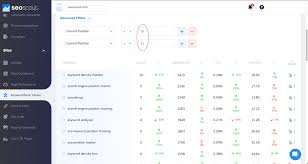
- Third-Party Tools: There are various third-party tools like SEMrush, Ahrefs, and Moz that offer comprehensive keyword ranking tracking features to monitor and analyse your keyword positions.
Tips for Improving Keyword Ranking
To improve your keyword ranking, consider the following tips:
- Optimize Your Content: Create high-quality, relevant content that incorporates target keywords naturally.
- Build Quality Backlinks: Acquire backlinks from authoritative websites to boost your website’s authority and improve keyword rankings.
- Monitor Competitors: Keep an eye on competitor keyword rankings to identify opportunities and stay ahead in the SEO game.
In Conclusion
Finding keyword ranking is essential for understanding how well your SEO efforts are performing and identifying areas for improvement. By utilising various methods and tools to track keyword rankings, you can optimise your website for better visibility and increased organic traffic.
Top 5 Tips for Improving Your Keyword Rankings
- Regularly monitor your keyword rankings using tools like SEMrush or Ahrefs.
- Focus on long-tail keywords to target specific niches and improve your chances of ranking higher.
- Optimize your website’s content for the target keywords by including them in meta tags, headings, and body text.
- Build high-quality backlinks from reputable websites to boost your keyword rankings.
- Analyse competitor keyword rankings to identify opportunities and adjust your strategy accordingly.
Regularly monitor your keyword rankings using tools like SEMrush or Ahrefs.
Regularly monitoring your keyword rankings using tools such as SEMrush or Ahrefs is a crucial practice in search engine optimisation. These tools provide valuable insights into the performance of your website in search engine results pages, allowing you to track the positions of your target keywords over time. By staying informed about your keyword rankings, you can identify trends, assess the effectiveness of your SEO strategies, and make data-driven decisions to improve your website’s visibility and organic traffic.
Focus on long-tail keywords to target specific niches and improve your chances of ranking higher.
By focusing on long-tail keywords, you can effectively target specific niches within your industry and enhance your chances of ranking higher in search engine results. Long-tail keywords are more specific and less competitive than broad keywords, allowing you to attract more qualified traffic to your website. By incorporating long-tail keywords into your content strategy, you can improve the relevance of your website to users’ search queries and increase your visibility in search engine rankings.
Optimize your website’s content for the target keywords by including them in meta tags, headings, and body text.
To improve your website’s keyword ranking, it is essential to optimise your content by strategically incorporating target keywords into key areas such as meta tags, headings, and body text. By seamlessly integrating relevant keywords into these elements, you can signal to search engines the relevance of your content to specific search queries, ultimately enhancing your website’s visibility and increasing the likelihood of ranking higher in search engine results pages. This strategic approach to keyword placement not only benefits your SEO efforts but also improves the overall user experience by providing valuable and contextually relevant information to visitors.
Build high-quality backlinks from reputable websites to boost your keyword rankings.
Building high-quality backlinks from reputable websites is a powerful strategy to enhance your keyword rankings. Backlinks act as signals of trust and authority to search engines, indicating that your website is a valuable resource in its niche. By earning backlinks from respected and relevant websites, you can improve your website’s credibility and increase its visibility in search engine results pages for your target keywords. This approach not only strengthens your SEO efforts but also establishes your website as a reliable source of information within your industry.
Analyse competitor keyword rankings to identify opportunities and adjust your strategy accordingly.
Analysing competitor keyword rankings is a valuable strategy to gain insights into the competitive landscape and discover opportunities for improving your own SEO performance. By studying where your competitors rank for specific keywords, you can identify gaps in your strategy, uncover high-performing keywords, and adjust your approach to enhance your website’s visibility and attract more organic traffic. This proactive approach allows you to stay ahead in the SEO game and continuously refine your keyword targeting to achieve better results.