
Discover the Best Site Audit Tools for Optimising Your Website
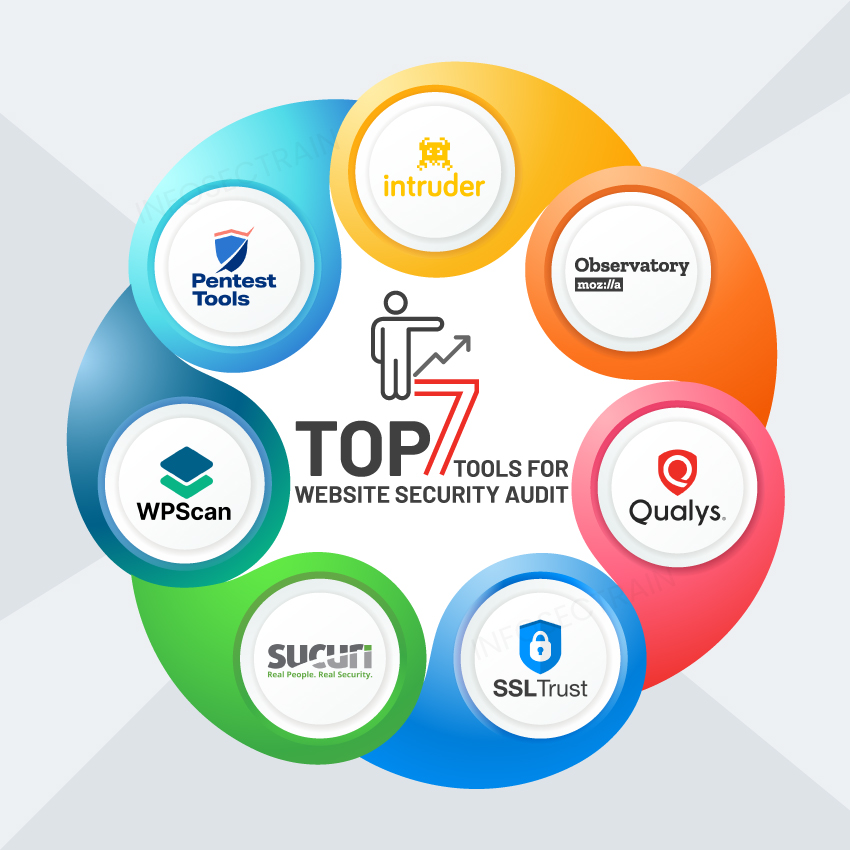
The Top Site Audit Tools for Improving Your Website’s Performance
Site audits are essential for identifying issues that may be affecting your website’s performance and search engine rankings. Fortunately, there are many excellent site audit tools available to help you conduct a comprehensive analysis of your site. In this article, we will explore some of the best site audit tools that can assist you in improving your website:
SEMrush Site Audit
SEMrush is a popular all-in-one digital marketing tool that includes a powerful site audit feature. With SEMrush Site Audit, you can identify technical SEO issues, monitor site health, and receive actionable recommendations to improve your website’s performance.
Screaming Frog SEO Spider
Screaming Frog SEO Spider is a desktop-based tool that crawls your website and provides detailed insights into various on-page SEO elements. It helps you uncover broken links, duplicate content, missing meta tags, and other issues that may impact your site’s SEO.
Ahrefs Site Audit
Ahrefs is renowned for its backlink analysis capabilities, but it also offers a robust site audit tool. Ahrefs Site Audit helps you identify technical SEO issues, improve internal linking structure, and enhance overall website health for better search engine visibility.
Moz Pro Site Crawl
Moz Pro provides a comprehensive suite of SEO tools, including the Site Crawl feature for in-depth website analysis. With Moz Pro Site Crawl, you can uncover critical issues affecting your site’s performance and receive prioritized recommendations to address them effectively.
Google Search Console
Google Search Console is a free tool offered by Google that allows webmasters to monitor and troubleshoot their site’s presence in Google search results. While not as comprehensive as dedicated audit tools, Google Search Console provides valuable insights into indexing status, mobile usability, and security issues.
By leveraging these top site audit tools, you can gain valuable insights into your website’s performance and take proactive steps to enhance its visibility and user experience. Conducting regular site audits using these tools will help you stay ahead of the competition and ensure that your website remains optimised for search engines.
Top 8 Tips for Choosing the Best Site Audit Tools for Comprehensive Website Optimisation
- Choose a site audit tool that offers comprehensive analysis of on-page SEO elements like meta tags, headings, and image attributes.
- Look for a tool that provides detailed insights into website performance metrics such as page speed, mobile-friendliness, and overall user experience.
- Select a site audit tool with the ability to identify technical issues like broken links, duplicate content, and crawl errors for efficient troubleshooting.
- Opt for a tool that offers customisable reports and recommendations to help prioritise fixes and improvements based on your specific needs.
- Consider the scalability of the tool to ensure it can handle audits for websites of various sizes and complexities.
- Check if the site audit tool integrates with other platforms or tools you use for seamless data sharing and workflow management.
- Prioritise tools that offer regular updates and support to stay current with search engine algorithm changes and best practices in website optimisation.
- Evaluate the cost-effectiveness of the tool by comparing features, benefits, and pricing plans to find the best fit for your budget and requirements.
Choose a site audit tool that offers comprehensive analysis of on-page SEO elements like meta tags, headings, and image attributes.
When selecting a site audit tool, it is crucial to opt for one that provides a thorough examination of on-page SEO components such as meta tags, headings, and image attributes. By choosing a tool that offers comprehensive analysis of these elements, website owners can gain valuable insights into the optimisation of their content and ensure that it aligns with best SEO practices. This in-depth assessment can help identify areas for improvement and enhance the overall visibility and performance of the website in search engine results.
Look for a tool that provides detailed insights into website performance metrics such as page speed, mobile-friendliness, and overall user experience.
When choosing the best site audit tool for your website, it is crucial to look for a tool that offers detailed insights into essential website performance metrics. Features such as analysing page speed, mobile-friendliness, and overall user experience can provide valuable information to help you identify areas for improvement and enhance your site’s performance. By selecting a tool that covers these critical metrics, you can gain a comprehensive understanding of how your website is performing and take proactive steps to optimise it for better search engine visibility and user satisfaction.
Select a site audit tool with the ability to identify technical issues like broken links, duplicate content, and crawl errors for efficient troubleshooting.
When choosing a site audit tool, it is crucial to opt for one that can effectively pinpoint technical issues such as broken links, duplicate content, and crawl errors. By selecting a tool with these capabilities, website owners can streamline the troubleshooting process and address critical issues that may be hindering their site’s performance. Identifying and resolving these technical issues promptly not only improves the overall health of the website but also enhances its search engine visibility and user experience.
Opt for a tool that offers customisable reports and recommendations to help prioritise fixes and improvements based on your specific needs.
When selecting the best site audit tool for your website, it is advisable to choose a tool that provides customisable reports and tailored recommendations. By opting for a tool that allows you to customise reports and receive recommendations based on your specific needs, you can effectively prioritise fixes and improvements to enhance your site’s performance. This personalised approach ensures that you address critical issues first and focus on areas that will have the most significant impact on your website’s SEO and user experience.
Consider the scalability of the tool to ensure it can handle audits for websites of various sizes and complexities.
When choosing the best site audit tool for your website, it is crucial to consider the scalability of the tool. Ensuring that the tool can handle audits for websites of various sizes and complexities is essential for obtaining accurate and comprehensive results. A scalable site audit tool will be able to adapt to the specific needs of your website, whether it is a small personal blog or a large e-commerce platform, providing you with valuable insights to improve your site’s performance effectively.
Check if the site audit tool integrates with other platforms or tools you use for seamless data sharing and workflow management.
When selecting the best site audit tool for your website, it is crucial to consider whether the tool integrates with other platforms or tools you currently use. Seamless data sharing and workflow management are essential for streamlining your SEO processes and ensuring efficient collaboration among team members. By choosing a site audit tool that integrates with your existing tools, such as analytics platforms or content management systems, you can enhance productivity, simplify data transfer, and facilitate a more cohesive approach to website optimization.
Prioritise tools that offer regular updates and support to stay current with search engine algorithm changes and best practices in website optimisation.
When selecting the best site audit tools, it is crucial to prioritise those that provide regular updates and support. By choosing tools that stay current with search engine algorithm changes and best practices in website optimisation, you ensure that your website remains in line with the latest industry standards. Regular updates and support not only help you address any emerging issues promptly but also enable you to implement effective strategies to improve your site’s performance and visibility in search engine results.
Evaluate the cost-effectiveness of the tool by comparing features, benefits, and pricing plans to find the best fit for your budget and requirements.
When considering the best site audit tools, it is crucial to evaluate their cost-effectiveness by comparing features, benefits, and pricing plans. By conducting a thorough analysis of these factors, you can identify the tool that offers the most value for your budget and aligns with your specific requirements. Choosing a tool that strikes the right balance between affordability and functionality ensures that you make a smart investment in improving your website’s performance and SEO capabilities.