
Unlocking Success: The Power of On-Page SEO Analysis in Enhancing Your Website’s Performance
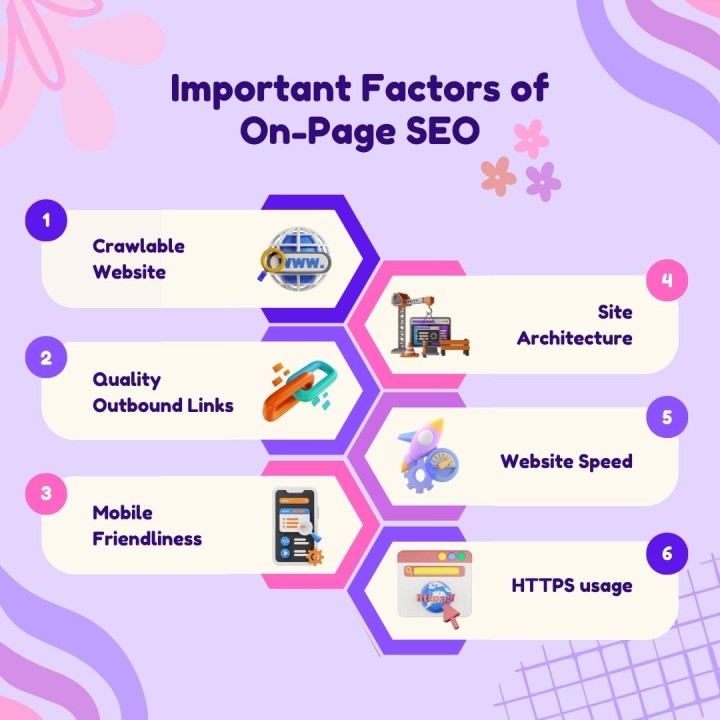
On-Page SEO Analysis: Enhancing Your Website’s Performance
When it comes to improving your website’s visibility and ranking on search engines, on-page SEO analysis plays a crucial role. By focusing on optimizing various elements within your web pages, you can enhance their relevance, user experience, and overall performance in search engine results.
The Importance of On-Page SEO Analysis
On-page SEO analysis involves evaluating and optimizing individual web pages to improve their search engine rankings. This process helps search engines understand the content and purpose of your pages better, making it easier for them to index and rank your site for relevant keywords.
Key Elements of On-Page SEO Analysis
Some essential elements to consider during on-page SEO analysis include:
- Title Tags: Optimizing title tags with relevant keywords can improve click-through rates and keyword rankings.
- Meta Descriptions: Writing compelling meta descriptions can increase the likelihood of users clicking on your search results.
- Heading Tags: Proper use of heading tags (H1, H2, etc.) helps structure your content for both users and search engines.
- Keyword Placement: Strategically placing keywords throughout your content can improve its relevance to search queries.
- Content Quality: High-quality, engaging content that provides value to users is essential for on-page SEO success.
- Internal Linking: Linking to other relevant pages on your site can improve navigation and distribute link equity.
- Image Optimization: Optimizing images with descriptive filenames and alt text can enhance accessibility and keyword relevance.
The Benefits of On-Page SEO Analysis
By conducting thorough on-page SEO analysis and implementing best practices, you can enjoy several benefits, including:
- Better search engine rankings for targeted keywords
- Increased organic traffic to your website
- Improved user experience and engagement
- In-depth understanding of your site’s performance metrics
- Gaining a competitive edge in your industry
In conclusion, on-page SEO analysis is a fundamental aspect of any successful digital marketing strategy. By paying attention to the key elements mentioned above and regularly monitoring and optimizing your web pages, you can boost your website’s visibility, attract more organic traffic, and ultimately achieve your online goals.
9 Essential Tips for Effective On-Page SEO Analysis
- Ensure each page has a unique and descriptive title tag.
- Use meta descriptions to summarise page content effectively.
- Incorporate relevant keywords naturally within the content.
- Optimise header tags (H1, H2, etc.) for better structure and readability.
- Ensure all images have descriptive alt text for accessibility and SEO.
- Improve site speed by optimising images and leveraging browser caching.
- Create internal links to boost navigation and link equity distribution.
- Use clean, descriptive URLs that include target keywords where possible.
- Implement structured data markup to enhance search engine understanding.
Ensure each page has a unique and descriptive title tag.
Ensuring that each page on your website has a unique and descriptive title tag is a crucial aspect of on-page SEO analysis. The title tag serves as a concise summary of the page’s content and plays a significant role in determining its relevance to search engine queries. By crafting informative and keyword-rich title tags for every page, you not only improve the visibility and click-through rates of your search results but also help search engines understand the context and purpose of each page on your site. This simple yet effective practice can have a profound impact on your website’s overall SEO performance and user engagement.
Use meta descriptions to summarise page content effectively.
When conducting on-page SEO analysis, it is essential to utilise meta descriptions effectively to summarise the content of a web page. Crafting concise and compelling meta descriptions that accurately reflect the page’s content can significantly impact click-through rates and user engagement. By providing a clear preview of what users can expect from the page in search engine results, well-crafted meta descriptions not only improve visibility but also contribute to enhancing the overall user experience and driving organic traffic to the website.
Incorporate relevant keywords naturally within the content.
To enhance the on-page SEO analysis of your website, it is crucial to incorporate relevant keywords naturally within the content. By seamlessly integrating targeted keywords into your web pages, you can improve their relevance to search queries and increase the likelihood of ranking higher in search engine results. Striking a balance between keyword usage and readability is key to ensuring that your content remains engaging and valuable to both users and search engines. Remember that organic incorporation of keywords not only boosts SEO performance but also enhances the overall user experience, leading to better engagement and conversions.
Optimise header tags (H1, H2, etc.) for better structure and readability.
Optimising header tags, such as H1 and H2, is a crucial tip in on-page SEO analysis for enhancing the structure and readability of your web pages. By using header tags effectively, you can not only organise your content in a logical hierarchy but also provide clear signals to search engines about the importance of different sections on your page. This practice not only improves the user experience by making the content easier to scan and understand but also helps search engines better comprehend and index your content for relevant search queries, ultimately contributing to improved SEO performance and visibility.
Ensure all images have descriptive alt text for accessibility and SEO.
Ensuring that all images on your website have descriptive alt text is a vital tip for effective on-page SEO analysis. Alt text not only enhances accessibility for visually impaired users but also provides search engines with valuable information about the content of the images. By including relevant keywords in the alt text, you can improve your website’s SEO performance and increase the likelihood of your images appearing in search results. Therefore, taking the time to write descriptive alt text for all images can have a significant impact on both user experience and search engine visibility.
Improve site speed by optimising images and leveraging browser caching.
To enhance your website’s performance and improve its search engine ranking, consider optimising images and leveraging browser caching to boost site speed. Optimising images by reducing file sizes without compromising quality can help reduce loading times, providing a better user experience. Additionally, leveraging browser caching allows visitors to store certain elements of your site locally, speeding up subsequent visits. By implementing these techniques as part of your on-page SEO analysis, you can create a faster and more efficient website that is likely to rank higher in search results and attract more organic traffic.
Create internal links to boost navigation and link equity distribution.
Creating internal links within your website is a valuable strategy to enhance navigation for users and improve the distribution of link equity. By strategically linking relevant pages together, you not only make it easier for visitors to explore your site but also help search engines understand the relationships between different content pieces. This practice can contribute to a better user experience, increase the authority of your pages, and ultimately boost your website’s overall SEO performance.
Use clean, descriptive URLs that include target keywords where possible.
When conducting on-page SEO analysis, it is advisable to utilise clean and descriptive URLs that incorporate target keywords whenever feasible. By crafting URLs that are clear, relevant, and contain key terms related to the content of the page, you can enhance both user experience and search engine visibility. Search engines often consider URLs when determining the relevance of a webpage to a user’s search query, making this simple yet effective practice an essential component of on-page SEO strategy.
Implement structured data markup to enhance search engine understanding.
Implementing structured data markup is a valuable tip for enhancing on-page SEO analysis. By incorporating schema markup into your website’s code, you provide search engines with additional context about your content, making it easier for them to understand and index your pages accurately. Structured data markup can help improve the visibility of your site in search results by enabling rich snippets and enhancing the overall user experience. This practice not only benefits search engine understanding but also boosts your chances of ranking higher for relevant keywords, ultimately driving more organic traffic to your website.