
Maximising Website Visibility: Strategies for Optimising Search Engine Results
Optimising Search Engine Results
Search engine optimisation (SEO) is crucial for improving your website’s visibility and ranking on search engine results pages (SERPs). By optimising your website for search engines, you can attract more organic traffic, increase your online presence, and reach a wider audience. Here are some key strategies to help you optimise your search engine results:
Keyword Research
Start by conducting thorough keyword research to identify the terms and phrases your target audience is searching for. Use tools like Google Keyword Planner or SEMrush to find relevant keywords with high search volume and low competition.
On-Page Optimisation
Optimise your website’s on-page elements, including title tags, meta descriptions, headings, and content. Ensure that your target keywords are strategically placed throughout your content while maintaining readability and relevance.
Quality Content
Create high-quality, engaging content that provides value to your audience. Regularly update your website with fresh and relevant content that addresses the needs and interests of your target market. Content is king in SEO, so invest time in creating informative articles, blog posts, videos, and infographics.
Mobile-Friendly Design
With the increasing use of mobile devices for internet browsing, it’s essential to have a responsive and mobile-friendly website design. Ensure that your website loads quickly on mobile devices and provides a seamless user experience across all screen sizes.
Backlink Building
Build high-quality backlinks from reputable websites to improve your website’s authority and credibility in the eyes of search engines. Focus on acquiring natural backlinks from relevant sources within your industry to boost your search engine rankings.
Monitor Performance
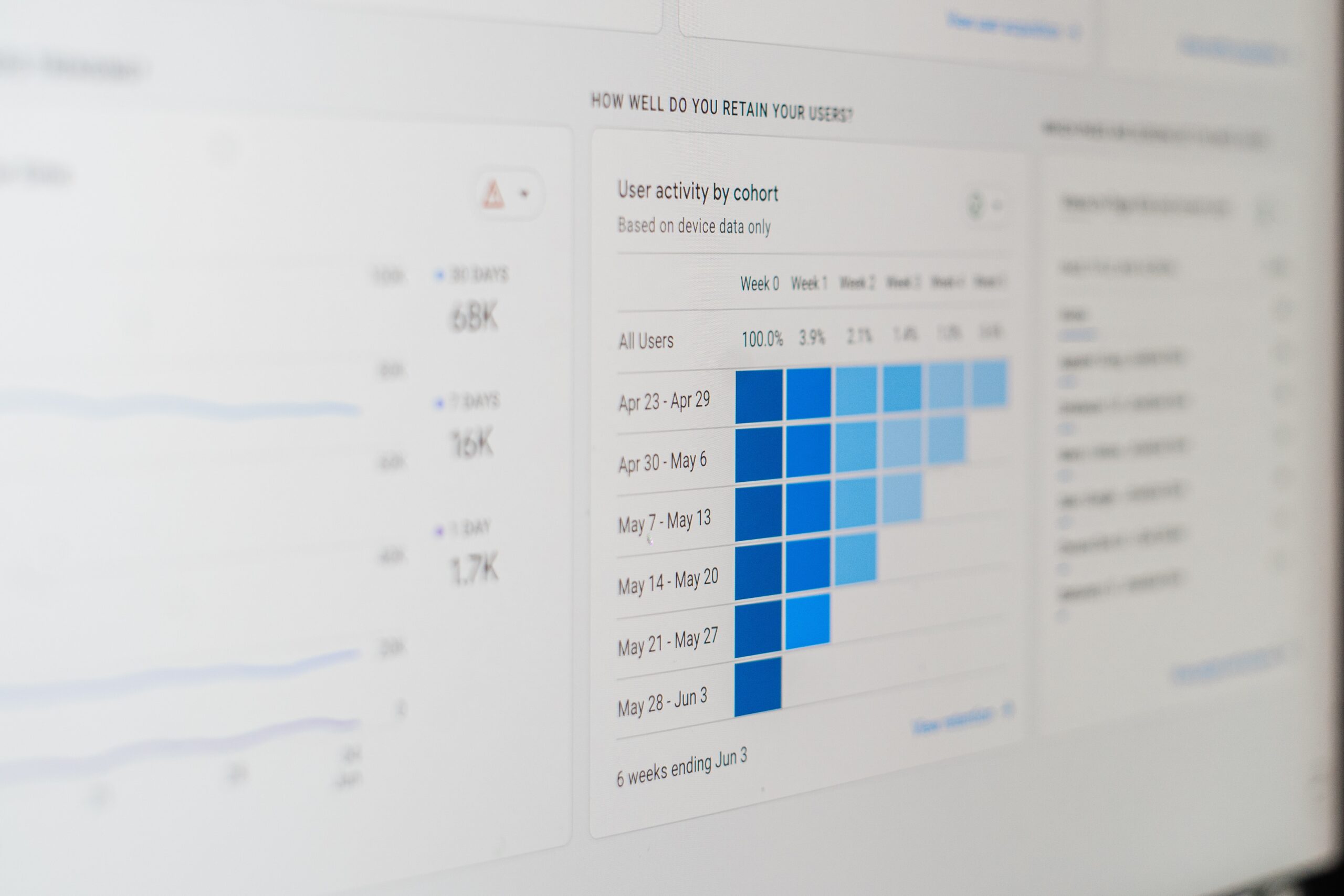
Track and monitor the performance of your SEO efforts using tools like Google Analytics or Moz Pro. Analyse key metrics such as organic traffic, keyword rankings, bounce rate, and conversion rate to identify areas for improvement and refine your SEO strategy accordingly.
In conclusion, optimising search engine results requires a comprehensive approach that encompasses keyword research, on-page optimisation, quality content creation, mobile-friendly design, backlink building, and performance monitoring. By implementing these strategies effectively, you can enhance your website’s visibility on search engines and drive organic traffic to achieve online success.
Optimising Search Engine Results: Top 7 FAQs on SEO Strategies and Techniques
- What is search engine optimisation (SEO) and why is it important?
- How can keyword research help in optimising search engine results?
- What are the key on-page elements to focus on for SEO?
- Why is quality content crucial for SEO and how does it impact search engine results?
- What is the significance of mobile-friendly design in SEO?
- How does backlink building contribute to improving search engine rankings?
- Which tools can be used to monitor and measure the performance of SEO efforts?
What is search engine optimisation (SEO) and why is it important?
Search engine optimisation (SEO) is the process of enhancing a website’s visibility and ranking on search engine results pages (SERPs) through organic, non-paid methods. It involves various strategies and techniques to improve a website’s relevance and authority in the eyes of search engines like Google. SEO is crucial for businesses and individuals looking to increase their online presence, attract more organic traffic, and reach their target audience effectively. By optimising their websites for search engines, businesses can improve brand visibility, generate leads, boost conversions, and stay ahead of the competition in the digital landscape. In essence, SEO plays a vital role in helping websites rank higher on SERPs, drive quality traffic, and ultimately achieve online success.
How can keyword research help in optimising search engine results?
Keyword research plays a crucial role in optimising search engine results by helping website owners identify the most relevant and high-performing keywords that their target audience is searching for. By conducting thorough keyword research, website owners can strategically incorporate these keywords into their content, meta tags, and other on-page elements to improve their website’s visibility and ranking on search engine results pages (SERPs). Choosing the right keywords with high search volume and low competition can attract more organic traffic to the website, increase its online presence, and ultimately drive success in the competitive digital landscape.
What are the key on-page elements to focus on for SEO?
When it comes to optimising search engine results, focusing on key on-page elements is essential for effective SEO. Some of the crucial on-page elements to pay attention to include title tags, meta descriptions, headings (H1, H2, etc.), and content. Optimising these elements involves strategically incorporating relevant keywords, ensuring readability and relevance, and providing valuable information to users. By optimising these on-page elements, websites can improve their search engine rankings, attract organic traffic, and enhance their online visibility for better SEO performance.
Why is quality content crucial for SEO and how does it impact search engine results?
Quality content is paramount for SEO as it plays a significant role in determining a website’s ranking on search engine results pages. Search engines like Google prioritise high-quality, relevant, and engaging content when determining the relevance and authority of a website. Quality content not only attracts and retains visitors but also encourages other websites to link back to your site, which enhances your website’s credibility and boosts its visibility in search results. By providing valuable information that meets the needs of users, quality content can improve user experience, increase organic traffic, and ultimately lead to higher search engine rankings.
What is the significance of mobile-friendly design in SEO?
Mobile-friendly design plays a crucial role in search engine optimisation (SEO) by enhancing user experience and improving website performance on mobile devices. With the increasing use of smartphones and tablets for online browsing, search engines like Google prioritise mobile-friendly websites in their rankings. A responsive design ensures that your website adapts seamlessly to different screen sizes, providing users with a consistent and user-friendly experience. By prioritising mobile-friendliness, you not only cater to the needs of mobile users but also signal to search engines that your website is accessible and user-centric, ultimately boosting your SEO efforts and improving your search engine rankings.
How does backlink building contribute to improving search engine rankings?
Backlink building plays a crucial role in improving search engine rankings by enhancing a website’s authority and credibility. When reputable websites link back to your site, search engines view it as a vote of confidence in your content and relevance. These backlinks signal to search engines that your website is a valuable resource, which can result in higher rankings on search engine results pages (SERPs). Additionally, backlinks help search engines discover and index your content more effectively, leading to improved visibility and organic traffic. By strategically building high-quality backlinks from relevant sources, website owners can boost their SEO efforts and achieve better search engine rankings.
Which tools can be used to monitor and measure the performance of SEO efforts?
Monitoring and measuring the performance of SEO efforts is essential for evaluating the effectiveness of your strategies and making informed decisions for improvement. Several tools can help track key metrics such as organic traffic, keyword rankings, backlinks, and website performance. Popular tools for monitoring SEO performance include Google Analytics, SEMrush, Moz Pro, Ahrefs, and SE Ranking. These tools provide valuable insights into how your website is performing in search engine results and help you identify areas for enhancement to achieve better visibility and higher rankings. By utilising these tools effectively, you can track progress, measure success, and refine your SEO tactics for optimal results.