
Unlocking Website Potential: The Power of an SEO Page Checker
The Importance of Using an SEO Page Checker
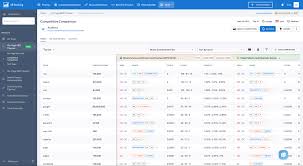
Search Engine Optimization (SEO) is crucial for any website looking to improve its online visibility and attract more organic traffic. One essential tool in the SEO arsenal is an SEO page checker. An SEO page checker is a tool that analyses individual web pages to identify areas for improvement in terms of SEO best practices.
Key Benefits of Using an SEO Page Checker:
- Identifying On-Page SEO Issues: An SEO page checker helps pinpoint on-page elements that may be hindering your website’s performance in search engine results. This includes factors such as meta tags, headings, keyword usage, and internal linking structure.
- Improving Keyword Optimization: By analysing keyword density and placement on a page, an SEO page checker can suggest ways to better optimize content for targeted keywords, thus improving the chances of ranking higher in search results.
- Checking Mobile-Friendliness: With the increasing importance of mobile optimization for search rankings, an SEO page checker can assess how well a webpage performs on mobile devices and provide recommendations for better mobile usability.
- Evaluating Page Speed: Page speed is a critical factor in both user experience and search rankings. An SEO page checker can assess a webpage’s loading speed and offer suggestions to enhance performance.
- Enhancing User Experience: A well-optimized webpage not only improves search engine rankings but also enhances user experience. An SEO page checker can identify elements that may impact user engagement, such as broken links or missing alt tags on images.
In Conclusion
Using an SEO page checker is essential for maintaining a healthy and high-performing website in today’s competitive online landscape. By regularly auditing your web pages with an SEO page checker, you can stay ahead of the curve and make informed decisions to boost your site’s visibility and traffic.
Remember, search engines are constantly evolving their algorithms, so it’s crucial to keep up with the latest SEO best practices by utilising tools like an SEO page checker to ensure your website remains optimised for success.
Six Essential Tips for Effective SEO Page Checking
- Ensure your page titles are concise, relevant, and include targeted keywords.
- Create unique meta descriptions for each page to improve click-through rates.
- Optimize your images by using descriptive filenames and alt text to enhance SEO.
- Check for broken links regularly and fix them to maintain a good user experience.
- Improve page loading speed by optimizing images, minifying CSS and JavaScript, and leveraging browser caching.
- Regularly monitor your site’s performance using SEO tools to track progress and make necessary adjustments.
Ensure your page titles are concise, relevant, and include targeted keywords.
To maximise the effectiveness of your SEO efforts, it is crucial to ensure that your page titles are concise, relevant, and strategically incorporate targeted keywords. Page titles play a significant role in conveying the content and purpose of a webpage to both search engines and users. By crafting clear and keyword-rich page titles, you enhance the visibility of your website in search engine results pages, making it easier for your target audience to find and engage with your content. Remember, a well-crafted page title not only improves SEO performance but also entices users to click through to your site.
Create unique meta descriptions for each page to improve click-through rates.
Creating unique meta descriptions for each page is a crucial tip when using an SEO page checker to enhance your website’s performance. Meta descriptions serve as concise summaries of a webpage’s content in search engine results, influencing users’ decision to click through to your site. By crafting unique and compelling meta descriptions tailored to the specific content of each page, you can not only improve your click-through rates but also provide users with clear expectations of what they will find on your website. This practice not only boosts your SEO efforts but also enhances user experience, ultimately leading to increased engagement and conversions.
Optimize your images by using descriptive filenames and alt text to enhance SEO.
Optimising images on your website is a crucial aspect of SEO, and one effective tip is to use descriptive filenames and alt text. By naming your image files descriptively and providing relevant alt text, you not only improve accessibility for users with visual impairments but also enhance your website’s SEO. Search engines rely on this information to understand the content of your images, so using descriptive keywords in filenames and alt text can help boost your website’s visibility in search results. Remember, every detail counts when it comes to optimising your website for search engines, so paying attention to image optimisation can make a significant impact on your overall SEO strategy.
Check for broken links regularly and fix them to maintain a good user experience.
Regularly checking for broken links on your website using an SEO page checker is crucial for maintaining a positive user experience. Broken links can frustrate visitors and hinder their navigation through your site, potentially leading to a loss of trust and credibility. By identifying and fixing broken links promptly, you not only improve user satisfaction but also ensure that search engines can crawl and index your website effectively. This proactive approach to managing broken links demonstrates your commitment to providing a seamless browsing experience for users, ultimately contributing to the overall success of your SEO strategy.
Improve page loading speed by optimizing images, minifying CSS and JavaScript, and leveraging browser caching.
To enhance your website’s performance and user experience, it is recommended to utilise an SEO page checker to improve page loading speed. This can be achieved through various techniques such as optimizing images to reduce file sizes, minifying CSS and JavaScript code to streamline their delivery, and leveraging browser caching to store frequently accessed resources locally. By implementing these strategies, you can significantly boost your website’s loading speed, leading to better search engine rankings and increased user satisfaction.
Regularly monitor your site’s performance using SEO tools to track progress and make necessary adjustments.
Regularly monitoring your site’s performance using SEO tools is a crucial practice to track progress and make necessary adjustments. By consistently analysing key metrics such as keyword rankings, organic traffic, backlink profile, and on-page SEO elements with an SEO page checker, you can gain valuable insights into how your website is performing in search engine results. This data allows you to identify areas for improvement, refine your SEO strategy, and stay ahead of the competition in the dynamic online landscape. Remember, proactive monitoring and timely adjustments based on data-driven insights are key to achieving sustained success in SEO.