
Enhance Your Website’s Performance with Improved On-Page SEO Strategies
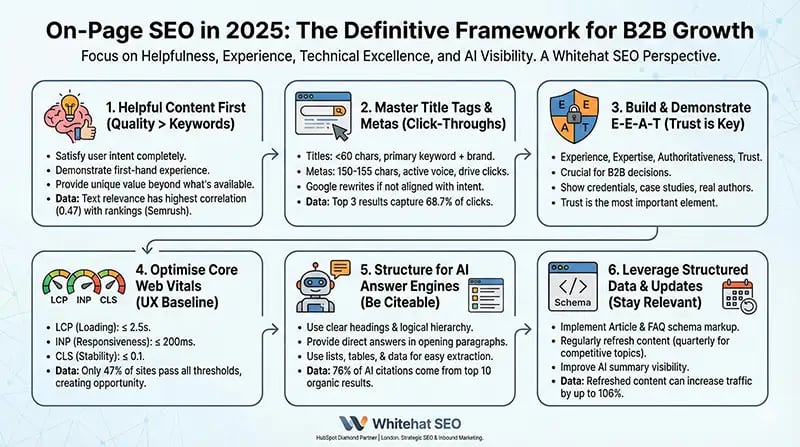
How to Improve On-Page SEO for Better Website Performance
Search engine optimization (SEO) is crucial for improving your website’s visibility and ranking on search engine results pages. While off-page SEO plays a significant role, on-page SEO is equally important in ensuring that your website is optimised for search engines. Here are some key strategies to help you improve your on-page SEO:
Conduct Keyword Research:
Identify relevant keywords related to your content and target audience. Use tools like Google Keyword Planner or SEMrush to find high-volume, low-competition keywords that you can incorporate into your content.
Optimise Title Tags and Meta Descriptions:
Your title tags and meta descriptions are crucial for attracting clicks from search engine users. Ensure they are descriptive, contain relevant keywords, and accurately reflect the content of the page.
Create High-Quality Content:
Produce well-written, engaging, and informative content that provides value to your audience. Use headings, subheadings, bullet points, and images to make your content easy to read and understand.
Optimise Heading Tags:
Use heading tags (H1, H2, H3) to structure your content logically and help search engines understand the hierarchy of information on your page. Include relevant keywords in your headings where appropriate.
Improve Page Loading Speed:
A fast-loading website not only enhances user experience but also contributes to better search engine rankings. Optimise images, minify CSS and JavaScript files, and leverage browser caching to improve page speed.
Optimize Images:
Add descriptive alt text to all images on your website so that search engines can understand what the image is about. Compress images without compromising quality to reduce load times.
Internal Linking:
Create a logical internal linking structure within your website by linking related pages together using relevant anchor text. Internal links help search engines navigate your site and establish hierarchy.
Mobile-Friendliness:
Ensure that your website is responsive and mobile-friendly as mobile usability is a significant ranking factor for search engines like Google. Test your site on various devices to ensure a consistent user experience.
By implementing these strategies, you can enhance the on-page SEO of your website and improve its performance in search engine results pages.
Top FAQs on Enhancing On-Page SEO: Strategies, Examples, and Best Practices
- What is on page SEO with example?
- How do I optimize on page SEO?
- How can I improve my on page and off-page SEO?
- What is an example of on page SEO?
- How can I improve my SEO in 2022?
- What are best practices to help improve on page optimization to improve SEO?
- What are the 3 C’s of SEO?
- What are top 10 on page SEO factors?
- How can I improve my page and off-page SEO?
- How to improve your on-site SEO?
- How do I improve my Google Pagerank?
- What are examples of on page SEO?
- What improves on-page SEO?
- What are the 3 most important on page SEO factors?
- What is on page SEO?
- How can I improve my page and off page SEO?
- What are the top 5 on page SEO factors?
- What are on page SEO factors?
What is on page SEO with example?
On-page SEO refers to the practice of optimizing individual web pages to improve their search engine rankings and attract more organic traffic. This involves optimizing various elements on a webpage, such as content, HTML source code, and images, to make them more relevant to specific keywords and user queries. For example, including target keywords in the title tag, meta description, heading tags, and throughout the content of a webpage is a common on-page SEO practice. By implementing on-page SEO techniques effectively, website owners can enhance their visibility in search engine results and provide a better user experience for visitors.
How do I optimize on page SEO?
To optimize on-page SEO effectively, start by conducting thorough keyword research to identify relevant keywords for your content. Ensure that your title tags and meta descriptions are descriptive and contain targeted keywords. Create high-quality, engaging content that provides value to your audience, using headings and subheadings to structure it logically. Optimize images with descriptive alt text and improve page loading speed for a better user experience. Implement internal linking strategies and ensure that your website is mobile-friendly to enhance its performance in search engine rankings.
How can I improve my on page and off-page SEO?
Improving both on-page and off-page SEO is essential for enhancing your website’s visibility and ranking on search engine results pages. To improve your on-page SEO, focus on optimising elements within your website such as keyword usage, content quality, meta tags, and internal linking structure. For off-page SEO improvement, concentrate on building high-quality backlinks from reputable websites, engaging in social media marketing, and enhancing your online reputation through positive reviews and mentions. By combining effective strategies for both on-page and off-page SEO, you can create a well-rounded approach that boosts your website’s overall search engine performance and drives organic traffic to your site.
What is an example of on page SEO?
An example of on-page SEO is optimizing the meta tags of a webpage. This includes crafting a relevant and keyword-rich meta title and meta description that accurately describe the content of the page. By incorporating targeted keywords in these tags, search engines can better understand the context of the page and display it to users searching for related information, ultimately improving its visibility and ranking in search results.
How can I improve my SEO in 2022?
To improve your SEO in 2022, focusing on enhancing your on-page SEO is essential. Start by conducting thorough keyword research to identify relevant and high-value keywords for your content. Optimise title tags, meta descriptions, and heading tags with these keywords to improve visibility in search engine results. Create high-quality and engaging content that provides value to your audience while ensuring fast page loading speed and mobile-friendliness. Implementing these strategies will help boost your website’s performance and rankings in 2022.
What are best practices to help improve on page optimization to improve SEO?
When it comes to enhancing on-page optimization to improve SEO, following best practices is essential. Key strategies include conducting thorough keyword research to target relevant terms, optimizing title tags and meta descriptions with targeted keywords, creating high-quality and engaging content, structuring content with appropriate heading tags, ensuring fast page loading speed, optimizing images with descriptive alt text, implementing internal linking for better site navigation, prioritizing mobile-friendliness for a seamless user experience across devices. By adhering to these best practices, websites can significantly boost their on-page SEO efforts and enhance their visibility in search engine results pages.
What are the 3 C’s of SEO?
The 3 C’s of SEO refer to Content, Code, and Credibility. These fundamental elements play a crucial role in improving on-page SEO and overall website performance. Content focuses on creating high-quality, relevant, and engaging content that resonates with the target audience and incorporates key keywords. Code refers to the technical aspects of a website, such as meta tags, headings, and structured data markup, which help search engines understand and index the site effectively. Credibility involves building trust and authority through backlinks from reputable sites, positive user experience signals, and consistent branding across online platforms. Mastering the 3 C’s of SEO is essential for achieving sustainable search engine visibility and driving organic traffic to your website.
What are top 10 on page SEO factors?
When it comes to improving on-page SEO, understanding the top 10 factors can greatly enhance your website’s visibility and ranking on search engine results pages. The key on-page SEO factors include optimizing title tags and meta descriptions, conducting thorough keyword research, creating high-quality and relevant content, utilizing proper heading tags, improving page loading speed, optimizing images with descriptive alt text, implementing internal linking strategies, ensuring mobile-friendliness, focusing on user experience and readability, and adhering to best practices for URL structure. By prioritizing these essential factors, you can effectively boost your website’s on-page SEO performance and attract more organic traffic to your site.
How can I improve my page and off-page SEO?
Improving both on-page and off-page SEO is essential for enhancing your website’s visibility and ranking in search engine results. To improve your on-page SEO, focus on optimising elements within your website such as content, meta tags, headings, and internal linking structure. Conduct keyword research to target relevant keywords and create high-quality, engaging content. For off-page SEO, concentrate on building quality backlinks from reputable websites, engaging in social media marketing, and enhancing your online reputation through positive reviews and mentions. By implementing a comprehensive SEO strategy that addresses both on-page and off-page aspects, you can boost your website’s performance and attract more organic traffic.
How to improve your on-site SEO?
Improving your on-site SEO involves a range of strategies to enhance the visibility and ranking of your website on search engine results pages. To improve your on-site SEO, start by conducting thorough keyword research to identify relevant keywords for your content. Optimise your title tags and meta descriptions with these keywords to attract clicks from search engine users. Create high-quality, engaging content that provides value to your audience and incorporates appropriate headings and subheadings. Additionally, focus on improving page loading speed, optimising images with descriptive alt text, implementing internal linking, ensuring mobile-friendliness, and maintaining a user-friendly website structure. By implementing these on-site SEO strategies effectively, you can boost your website’s performance in search engine rankings and attract more organic traffic.
How do I improve my Google Pagerank?
Improving your Google PageRank involves implementing effective on-page SEO strategies to enhance your website’s visibility and ranking on search engine results pages. To boost your PageRank, focus on creating high-quality, relevant content that incorporates targeted keywords, optimising title tags and meta descriptions, improving page loading speed, and enhancing user experience through mobile-friendliness and internal linking. By consistently applying these on-page SEO techniques, you can increase your website’s authority and relevance in the eyes of Google, ultimately leading to a higher PageRank and improved search engine performance.
What are examples of on page SEO?
Examples of on-page SEO techniques include optimizing title tags and meta descriptions with relevant keywords, creating high-quality and engaging content that provides value to users, using heading tags to structure content effectively, improving page loading speed for better user experience and search engine rankings, optimizing images with descriptive alt text, implementing internal linking to connect related pages within the website, ensuring mobile-friendliness for a seamless user experience across devices, and conducting keyword research to target the right audience effectively. These on-page SEO practices are essential for enhancing website visibility and performance in search engine results pages.
What improves on-page SEO?
Improving on-page SEO involves various key strategies that contribute to enhancing the visibility and ranking of a website on search engine results pages. Some essential factors that help improve on-page SEO include conducting thorough keyword research to target relevant terms, optimising title tags and meta descriptions with targeted keywords, creating high-quality and engaging content, optimising heading tags for better structure, improving page loading speed for a seamless user experience, optimising images with descriptive alt text, implementing internal linking to establish site hierarchy, ensuring mobile-friendliness for accessibility across devices, and adhering to best practices in website design and content creation. By focusing on these aspects, website owners can effectively boost their on-page SEO performance and attract more organic traffic to their sites.
What are the 3 most important on page SEO factors?
When it comes to improving on-page SEO, there are three key factors that play a crucial role in enhancing your website’s visibility and ranking on search engine results pages. The first important factor is the strategic use of relevant keywords throughout your content, including in titles, headings, meta descriptions, and body text. Secondly, ensuring a well-structured and user-friendly website design with clear navigation and mobile responsiveness is essential for both user experience and search engine rankings. Lastly, creating high-quality and engaging content that provides value to your audience while incorporating multimedia elements like images and videos can significantly boost your on-page SEO performance. By focusing on these three fundamental factors, you can effectively optimise your website for improved search engine visibility and organic traffic.
What is on page SEO?
On-page SEO refers to the practice of optimizing individual web pages to improve their search engine rankings and attract organic traffic. This process involves various techniques such as optimizing content with relevant keywords, improving meta tags, enhancing the website’s structure, and ensuring a positive user experience. By focusing on on-page SEO, website owners can make their content more visible to search engines and users, ultimately increasing the chances of ranking higher in search results.
How can I improve my page and off page SEO?
To enhance both on-page and off-page SEO for your website, it is essential to focus on a combination of strategies. For on-page SEO, you can start by conducting thorough keyword research to target relevant terms, optimizing title tags and meta descriptions, creating high-quality content with proper headings and subheadings, improving page loading speed, optimizing images with descriptive alt text, implementing internal linking for better site structure, and ensuring mobile-friendliness. On the other hand, for off-page SEO, you can work on building high-quality backlinks from authoritative websites, engaging in social media promotion, guest posting on relevant platforms, and monitoring your online reputation. By integrating these approaches effectively, you can strengthen both your on-page and off-page SEO efforts to boost your website’s visibility and rankings in search engine results.
What are the top 5 on page SEO factors?
When it comes to improving on-page SEO, understanding the top 5 factors can make a significant difference in optimising your website for search engines. The key on-page SEO factors include: 1. Quality Content – Creating high-quality, relevant, and engaging content that satisfies user intent is crucial for on-page SEO success. 2. Optimised Title Tags and Meta Descriptions – Crafting compelling title tags and meta descriptions with targeted keywords can improve click-through rates and search engine visibility. 3. Proper Use of Heading Tags – Utilising headings (H1, H2, H3) to structure content effectively helps search engines understand the hierarchy and relevance of information on your page. 4. Optimised Images – Adding descriptive alt text to images and optimising image sizes for faster loading times can enhance on-page SEO performance. 5. Internal Linking – Establishing a logical internal linking structure within your website helps search engines navigate and index your content more efficiently, boosting overall SEO effectiveness. By focusing on these top 5 on-page SEO factors, you can enhance your website’s visibility and ranking in search engine results pages.
What are on page SEO factors?
When it comes to enhancing on-page SEO, understanding the key factors that influence search engine rankings is essential. On-page SEO factors encompass various elements such as keyword optimization, meta tags, high-quality content creation, heading tags structuring, page loading speed optimization, image optimization, internal linking strategies, and ensuring mobile-friendliness. By focusing on these critical on-page SEO factors, website owners can effectively improve their site’s visibility and performance in search engine results pages.