
Unlocking SEO Success: The Power of a Comprehensive Site Audit
The Importance of Site Audits in SEO
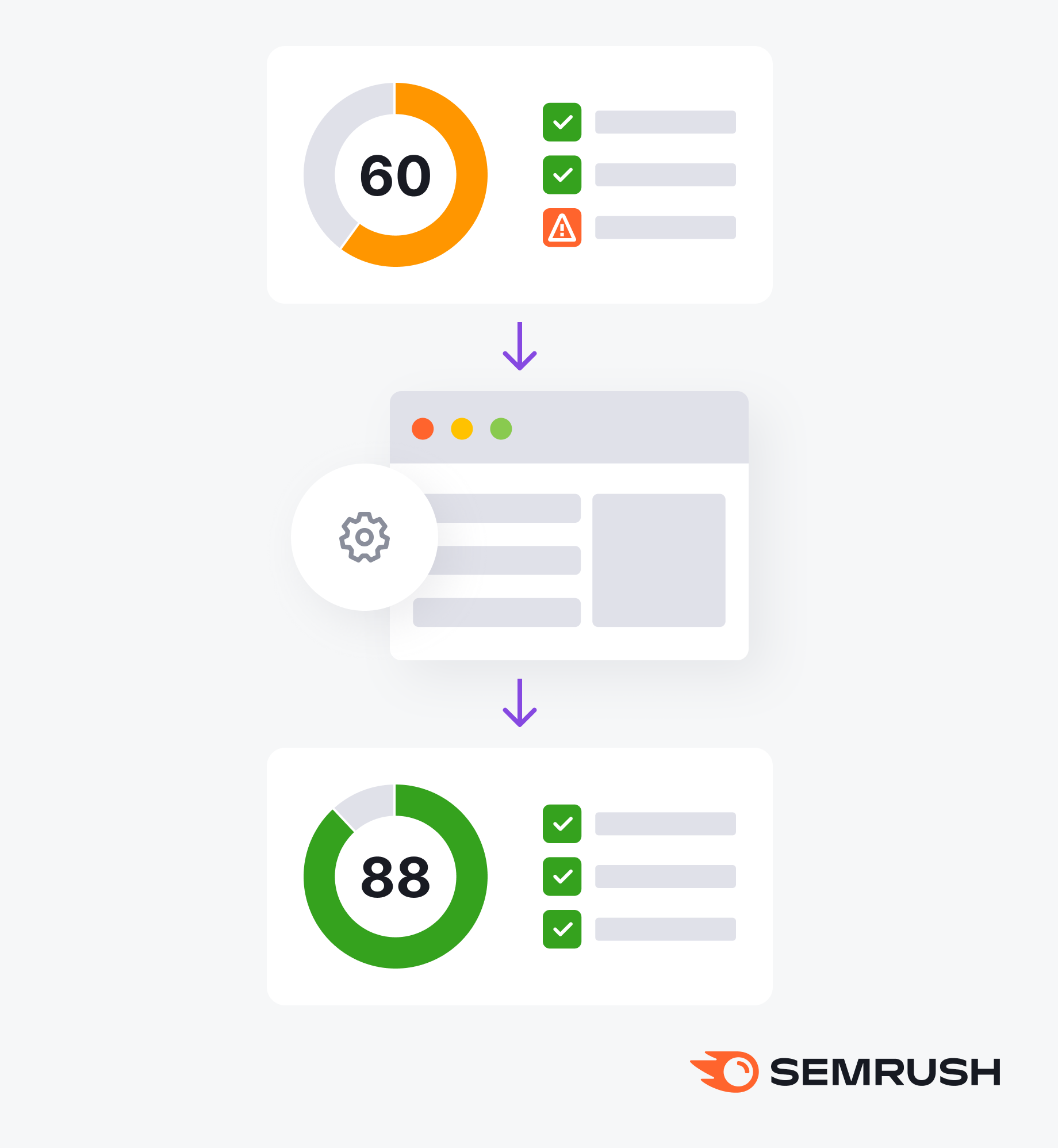
Site audits are a crucial aspect of search engine optimization (SEO) that can have a significant impact on the performance of your website. A site audit involves a comprehensive analysis of your website to identify areas for improvement and ensure that it is optimized for search engines.
Benefits of Site Audits
Identify Technical Issues: Site audits help uncover technical issues such as broken links, slow loading times, and crawl errors that can negatively impact your website’s performance in search engine rankings.
Improve User Experience: By identifying and fixing usability issues during a site audit, you can enhance the overall user experience on your website, leading to higher engagement and conversion rates.
Enhance SEO Performance: Site audits help you optimise on-page elements such as meta tags, headings, and content structure to improve your website’s visibility in search engine results pages (SERPs).
How to Conduct a Site Audit
Use SEO Tools: There are various online tools available that can help you conduct a thorough site audit, including SEMrush, Ahrefs, and Screaming Frog.
Check Technical Elements: Review technical aspects such as site speed, mobile-friendliness, and indexability to ensure that your website meets search engine requirements.
Analyse Content Quality: Evaluate the quality and relevance of your content to determine if it aligns with your target keywords and provides value to users.
Conclusion
Site audits play a vital role in improving the overall performance of your website in search engine results. By conducting regular site audits and addressing any issues identified, you can enhance your SEO efforts, boost organic traffic, and ultimately achieve better online visibility.
9 Essential Tips for Conducting a Comprehensive Site Audit
- Conduct a thorough analysis of website structure and navigation.
- Check for broken links and fix them promptly.
- Ensure all pages have unique and relevant meta tags.
- Optimise images for faster loading speed.
- Review and improve website content for SEO purposes.
- Check for mobile responsiveness and usability.
- Analyse site speed and make necessary improvements.
- Verify proper implementation of tracking codes such as Google Analytics.
- Perform regular security audits to protect against cyber threats.
Conduct a thorough analysis of website structure and navigation.
When conducting a site audit, it is essential to perform a thorough analysis of the website structure and navigation. This involves evaluating the organisation of web pages, URL structure, internal linking, and overall user experience in navigating the site. A well-structured website with intuitive navigation not only enhances user engagement but also helps search engines crawl and index the content more effectively. By identifying any issues or inefficiencies in the website structure during the audit process, you can make necessary improvements to ensure a seamless user experience and improve search engine visibility.
Check for broken links and fix them promptly.
Checking for broken links during a site audit is a crucial step in maintaining a healthy and user-friendly website. Broken links not only disrupt the user experience but also negatively impact your website’s SEO performance. By promptly identifying and fixing broken links, you can ensure that visitors can navigate your site smoothly and search engines can crawl and index your pages effectively. This simple yet essential task can help improve your website’s credibility, usability, and overall search engine ranking.
Ensure all pages have unique and relevant meta tags.
When conducting a site audit, it is essential to ensure that all pages have unique and relevant meta tags. Meta tags, including titles and descriptions, play a crucial role in informing search engines about the content of each page. By making sure that each page has distinct meta tags that accurately reflect its content, you can improve the visibility and click-through rates of your website in search engine results. Consistent and relevant meta tags not only enhance the user experience but also help search engines understand the context of your pages, ultimately contributing to better SEO performance.
Optimise images for faster loading speed.
Optimising images for faster loading speed is a crucial tip to consider during a site audit. Large and unoptimised images can significantly slow down a website’s loading time, leading to a poor user experience and potentially affecting search engine rankings. By compressing images, choosing the right file format, and implementing lazy loading techniques, you can improve your website’s performance and ensure that visitors have a seamless browsing experience. Prioritising image optimisation as part of your site audit can have a positive impact on both user engagement and SEO efforts.
Review and improve website content for SEO purposes.
Reviewing and improving website content is a crucial step in conducting a comprehensive site audit for SEO purposes. By evaluating the quality, relevance, and alignment of content with target keywords, you can enhance your website’s visibility in search engine results pages. Optimizing content involves ensuring it provides value to users, incorporates relevant keywords naturally, and follows best practices for on-page SEO. By refining and updating your website content as part of a site audit, you can strengthen your overall SEO strategy and improve organic traffic to your site.
Check for mobile responsiveness and usability.
Checking for mobile responsiveness and usability is a crucial tip during a site audit. With the increasing use of mobile devices to access websites, ensuring that your site is optimised for mobile users is essential. By verifying that your website displays properly on various mobile devices and that navigation is user-friendly, you can enhance the overall user experience and improve your site’s performance in search engine rankings. Prioritising mobile responsiveness and usability in your site audit can help you reach a wider audience and drive more traffic to your website.
Analyse site speed and make necessary improvements.
Analysing site speed is a crucial aspect of a comprehensive site audit. A slow-loading website can have a detrimental impact on user experience and SEO performance. By evaluating the speed at which your website loads and making necessary improvements, such as optimizing images, minifying code, and leveraging browser caching, you can enhance user satisfaction, reduce bounce rates, and improve your website’s search engine rankings. Prioritising site speed in your site audit can lead to a more efficient and user-friendly online experience for visitors, ultimately contributing to the success of your website.
Verify proper implementation of tracking codes such as Google Analytics.
Ensuring the correct implementation of tracking codes, such as Google Analytics, is a critical aspect of a site audit. Verifying that tracking codes are properly installed and functioning correctly allows website owners to gather accurate data on visitor behaviour, traffic sources, and conversions. By confirming the proper implementation of tracking codes during a site audit, businesses can make informed decisions based on reliable data insights, leading to improved marketing strategies and overall website performance.
Perform regular security audits to protect against cyber threats.
Performing regular security audits is essential to safeguard your website against cyber threats. By conducting thorough security audits, you can identify vulnerabilities, potential breaches, and weaknesses in your website’s defences. This proactive approach allows you to address any security issues promptly, implement necessary security measures, and protect your website and its data from malicious attacks. Prioritising regular security audits demonstrates a commitment to maintaining a secure online environment for both your business and your users, enhancing trust and credibility in the digital realm.