
Enhance Your Website Performance with a Powerful Site Optimization Tool
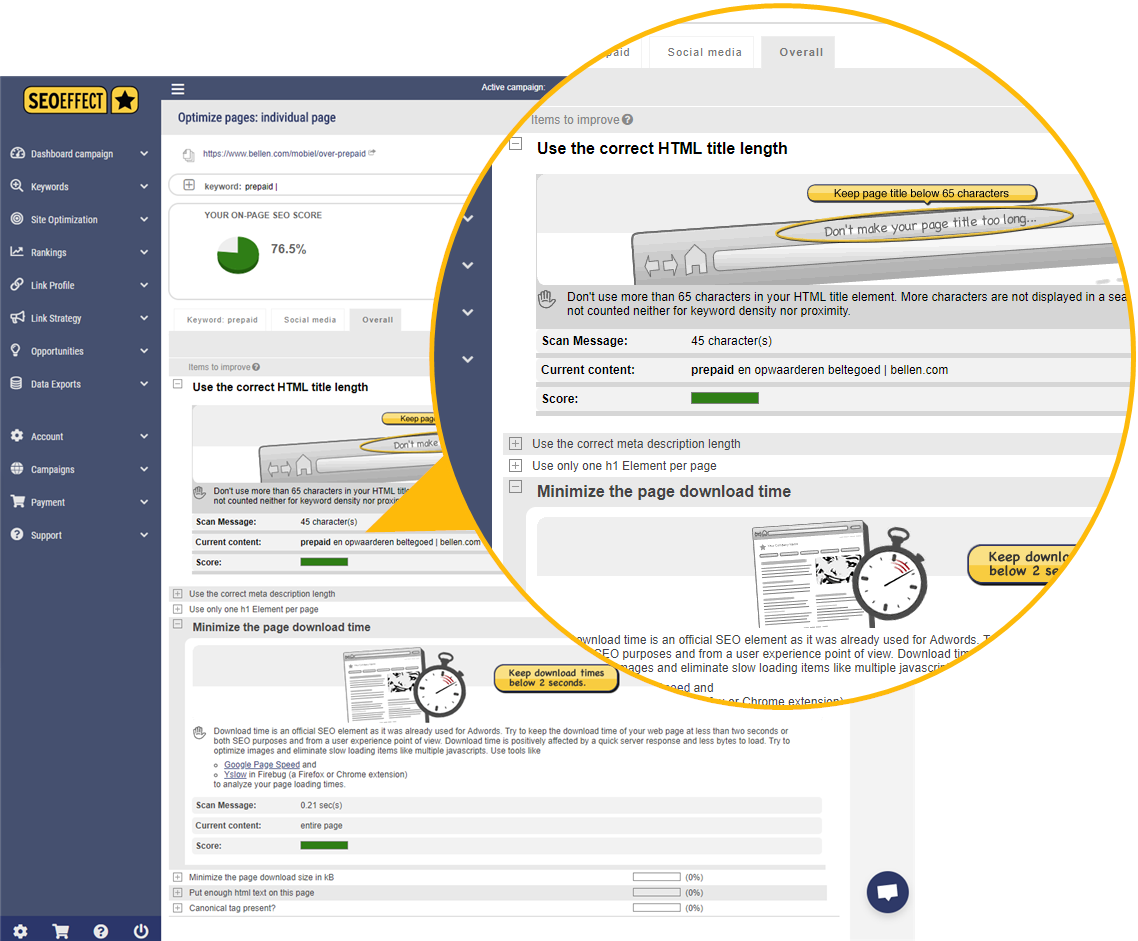
The Importance of Using a Site Optimization Tool
In today’s digital age, having a strong online presence is crucial for businesses and individuals alike. One key aspect of maintaining a successful website is ensuring that it is optimised for performance, user experience, and search engine rankings. This is where a site optimization tool comes into play.
A site optimization tool is a valuable resource that helps website owners analyse and improve various aspects of their site to enhance its overall performance. These tools offer insights into factors such as page speed, mobile-friendliness, SEO elements, and more.
Key Benefits of Using a Site Optimization Tool:
- Improved User Experience: By identifying and fixing issues that may impact user experience, such as slow loading times or broken links, a site optimization tool helps ensure visitors have a positive interaction with your site.
- Enhanced Search Engine Visibility: Optimising your website according to search engine guidelines can boost your rankings in search results. A site optimization tool can provide recommendations on how to improve your SEO strategy for better visibility.
- Increased Conversion Rates: A well-optimized website is more likely to convert visitors into customers or leads. By addressing usability and performance issues through an optimization tool, you can create a seamless browsing experience that encourages action.
- Data-Driven Decisions: Site optimization tools offer valuable data and insights that can help you make informed decisions about your website’s performance and areas for improvement. This data-driven approach can lead to more effective strategies and better results.
Choosing the Right Site Optimization Tool:
When selecting a site optimization tool for your website, consider factors such as the features offered, ease of use, compatibility with your platform, and customer support. Look for tools that provide comprehensive analysis and actionable recommendations to help you achieve your optimization goals effectively.
Remember that optimizing your site is an ongoing process, and regular monitoring and adjustments are necessary to keep up with evolving trends and technologies. By investing in a reliable site optimization tool and prioritising the performance of your website, you can stay ahead in the competitive online landscape.
Six Essential Tips for Optimising Your Website with Site Tools
- Regularly monitor website performance metrics such as loading speed and bounce rate.
- Optimise images by compressing them without compromising quality.
- Ensure your website is mobile-friendly for a better user experience.
- Use appropriate meta tags and descriptions to improve SEO.
- Implement caching to speed up website loading times.
- Regularly audit and fix broken links on your site.
Regularly monitor website performance metrics such as loading speed and bounce rate.
To ensure optimal performance and user experience, it is essential to regularly monitor key website performance metrics, including loading speed and bounce rate. By keeping a close eye on these metrics, website owners can identify potential issues that may be affecting user engagement and search engine rankings. Monitoring loading speed helps ensure that visitors have a seamless browsing experience, while tracking bounce rate provides insights into how engaging and relevant the content is to users. Regular monitoring allows for timely adjustments and improvements to enhance overall site performance and drive better results.
Optimise images by compressing them without compromising quality.
Optimising images by compressing them without compromising quality is a crucial tip for effective site optimization. By reducing the file size of images through compression techniques, you can improve page loading times and overall site performance. This not only enhances user experience by ensuring faster load times but also contributes to better search engine rankings, as site speed is a key factor in SEO. Choosing the right balance between image quality and file size is essential to maintain visual appeal while maximising performance, making image compression a valuable practice for any website looking to optimise its content efficiently.
Ensure your website is mobile-friendly for a better user experience.
Ensuring that your website is mobile-friendly is essential for providing a better user experience. With the increasing use of smartphones and tablets to browse the internet, a mobile-responsive design allows visitors to access your site easily on any device. By optimising your website for mobile users, you not only cater to a larger audience but also improve engagement and retention rates. A mobile-friendly site enhances usability, readability, and navigation, ultimately leading to a more positive interaction with your brand. Prioritising mobile-friendliness as part of your site optimization strategy can significantly impact user satisfaction and contribute to the overall success of your online presence.
Use appropriate meta tags and descriptions to improve SEO.
Using appropriate meta tags and descriptions is a crucial tip for site optimization tool users looking to enhance their SEO performance. Meta tags, including title tags and meta descriptions, play a significant role in how search engines understand and rank your website content. By crafting relevant and compelling meta tags and descriptions that accurately reflect the content of each page, you can improve your website’s visibility in search engine results pages. This practice not only helps search engines index your site more effectively but also entices users to click through to your website by providing clear information about what they can expect to find. By prioritising the use of appropriate meta tags and descriptions, website owners can boost their SEO efforts and increase their chances of attracting organic traffic to their site.
Implement caching to speed up website loading times.
Implementing caching is a highly effective tip for improving website loading times. By storing frequently accessed data and resources, such as images, scripts, and stylesheets, in a cache, the website can deliver content to visitors more quickly upon subsequent visits. This not only enhances user experience by reducing wait times but also boosts overall site performance and can positively impact search engine rankings. Caching is a proven strategy to streamline the loading process and ensure that your website operates smoothly and efficiently for every visitor.
Regularly audit and fix broken links on your site.
Regularly auditing and fixing broken links on your website is a crucial tip for effective site optimization. Broken links not only disrupt the user experience but also negatively impact your site’s SEO performance. By identifying and rectifying broken links promptly, you ensure that visitors can navigate your site smoothly and search engines can crawl and index your content efficiently. This proactive approach to managing broken links demonstrates your commitment to maintaining a high-quality website that delivers a seamless browsing experience for users while boosting your site’s overall credibility and visibility online.